Polemonium, Genus, boreale, Species,
- Genus & species
northern Jacob's ladder
Circumpolar-arctic (Alaska, northern Canada, Greenland, Iceland, Scandinavia, Siberia)
Overview
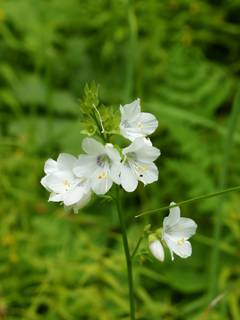
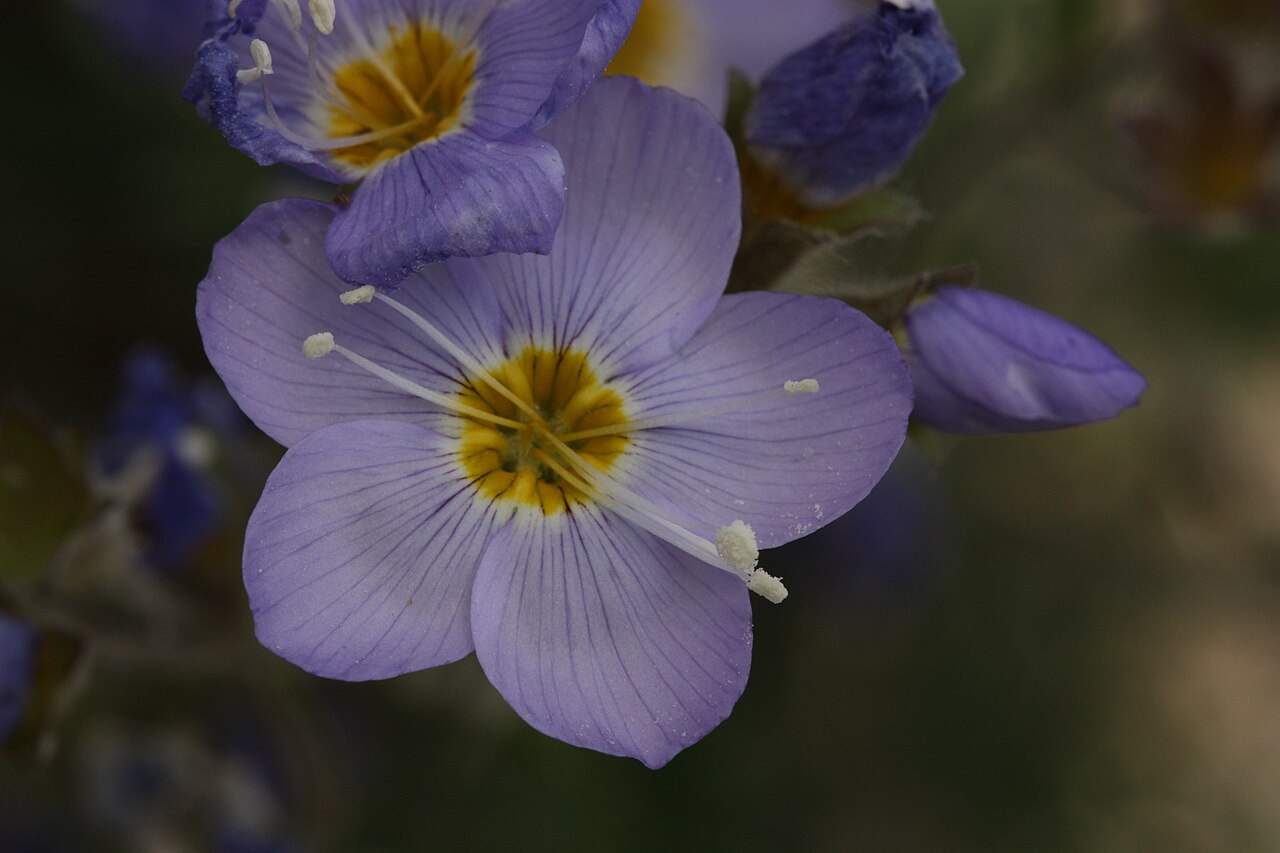
Polemonium boreale is a deciduous herbaceous perennial reaching 4–8 inches (10–20 cm) tall and 6–10 inches (15–25 cm) wide, with a compact tufted clump-forming habit. The species is an arctic–alpine plant at the lower end of the Polemonium size range: mature plants measure 4–8 inches (10–20 cm) tall, compared with 12–18 inches (30–45 cm) for P. carneum and 24–36 inches (60–90 cm) for P. caeruleum. Leaves are pinnately compound with 9–17 small rounded leaflets each 0.2–0.4 inch (5–10 mm) long, forming a tight basal rosette — the ladder-like leaflet arrangement that gives the common name is present but at a miniature scale relative to larger garden Polemonium. Flowers are saucer-shaped to bell-shaped, 0.5–0.8 inch (13–20 mm) wide, blue-violet to purple-blue with yellow stamens, held upward-facing in terminal clusters from June through July over a 3–4 week window. Growth rate is slow; the clump reaches full mature size in 2 growing seasons. Hardy to USDA zone 2 (to –50°F / –46°C). Not known to be toxic to pets or humans. The plant is short-lived in cultivation outside arctic or alpine climates — typically 2–4 years — because it requires summer night temperatures below 60°F (16°C) to set next-season flower buds, which low-elevation temperate gardens rarely provide.
Native Range
Polemonium boreale is circumpolar-arctic in distribution — native to Alaska, northern Canada, Greenland, Iceland, Scandinavia, and Siberia — occurring in arctic tundra, alpine meadows, and gravelly stream margins from sea level in the far north to 3,000–10,000 feet (900–3,000 m) in montane habitats further south.Suggested Uses
Used in alpine troughs, rock gardens, scree beds, raised gravel plantings, or container positions in cool-summer regions at 6–8 inch (15–20 cm) spacing. The 4–8 inch (10–20 cm) mature size fits positions where larger Polemonium species would overwhelm the scale — trough plantings with dwarf Saxifraga, Draba, and Androsace, or crevice plantings in rocky outcrops. Cultivation success outside arctic climates depends on site selection: cool summer temperatures, sharp drainage, and gritty lean soils are non-negotiable rather than preferences. The plant does not grow well in hot-summer lowland gardens (below 3,000 feet / 900 m in most of the temperate zone), heavy clay or rich garden loam soils, or positions with poor winter drainage.How to Identify
Appearance
Size & Dimensions
Height4" - 8"
Width/Spread6" - 10"
Bloom Information
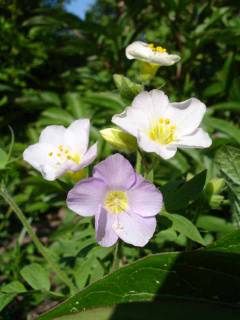
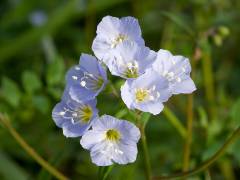
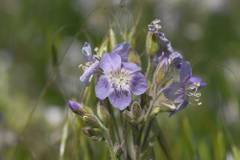
Saucer-shaped to bell-shaped flowers 0.5–0.8 inch (13–20 mm) wide in blue-violet to purple-blue with yellow stamens appear upward-facing in terminal clusters from June through July over a 3–4 week window.
Detailed Descriptions
Flower Description
Blue-violet to purple-blue with yellow stamens; saucer-shaped to bell-shaped 0.5-0.8 inch wide; upward-facing in terminal clusters; June-JulyFoliage Description
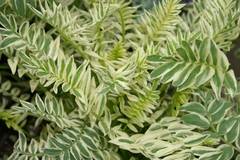
Green; pinnately compound with 9-17 small rounded leaflets each 0.2-0.4 inch long in a tight basal rosetteGrowing Conditions
Sun Requirements
Requires 4-8 hours of direct sunlight daily
• Full Sun: 6+ hours of direct sunlight
• Partial Shade: 3-6 hours of direct sunlight
• Full Shade: Less than 3 hours of direct sunlight
Care & Maintenance
Care Guide
Grow in full sun to partial shade with 4–8 hours of direct light in sharply drained lean gritty sand, rocky soil, or gritty loam at pH 5.5–7.0. Cool summer temperatures are the limiting factor: the plant requires summer night temperatures below 60°F (16°C) to set next-season flower buds, and gardens in climates where summer nights stay above 65°F (18°C) typically lose plantings within 2–3 years because reproductive growth fails even when vegetative growth continues. Sharp drainage is the second requirement — wet winter soils cause crown rot that kills plants over a single winter. Alpine troughs and scree-bed positions with 2–4 inches (5–10 cm) of grit mulch over the root zone give the plant its most reliable cultivation outside its native range. Water deeply once per week during active growth from May through August, then reduce watering as plants go into autumn dormancy. Hardy to USDA zone 2.Pruning
Remove spent flower stems after bloom in July to maintain a tidy planting. Cut back foliage in late autumn after the first hard frost. No other pruning is needed through the growing season.Pruning Schedule
Prune: July–August
summer
Container Growing
Suitable for container growing
Minimum container size: 1 gallons