Pinus, Genus, wallichiana, Species,
- Genus & species
Himalayan pine
Himalayas — Afghanistan, Pakistan, India, Nepal, Bhutan; 6,000-12,500 feet (1,800-3,800 m)
Overview
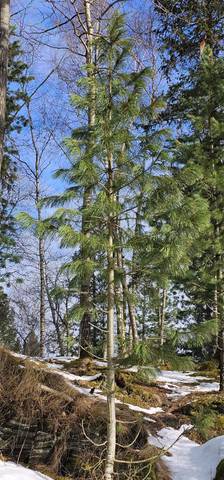
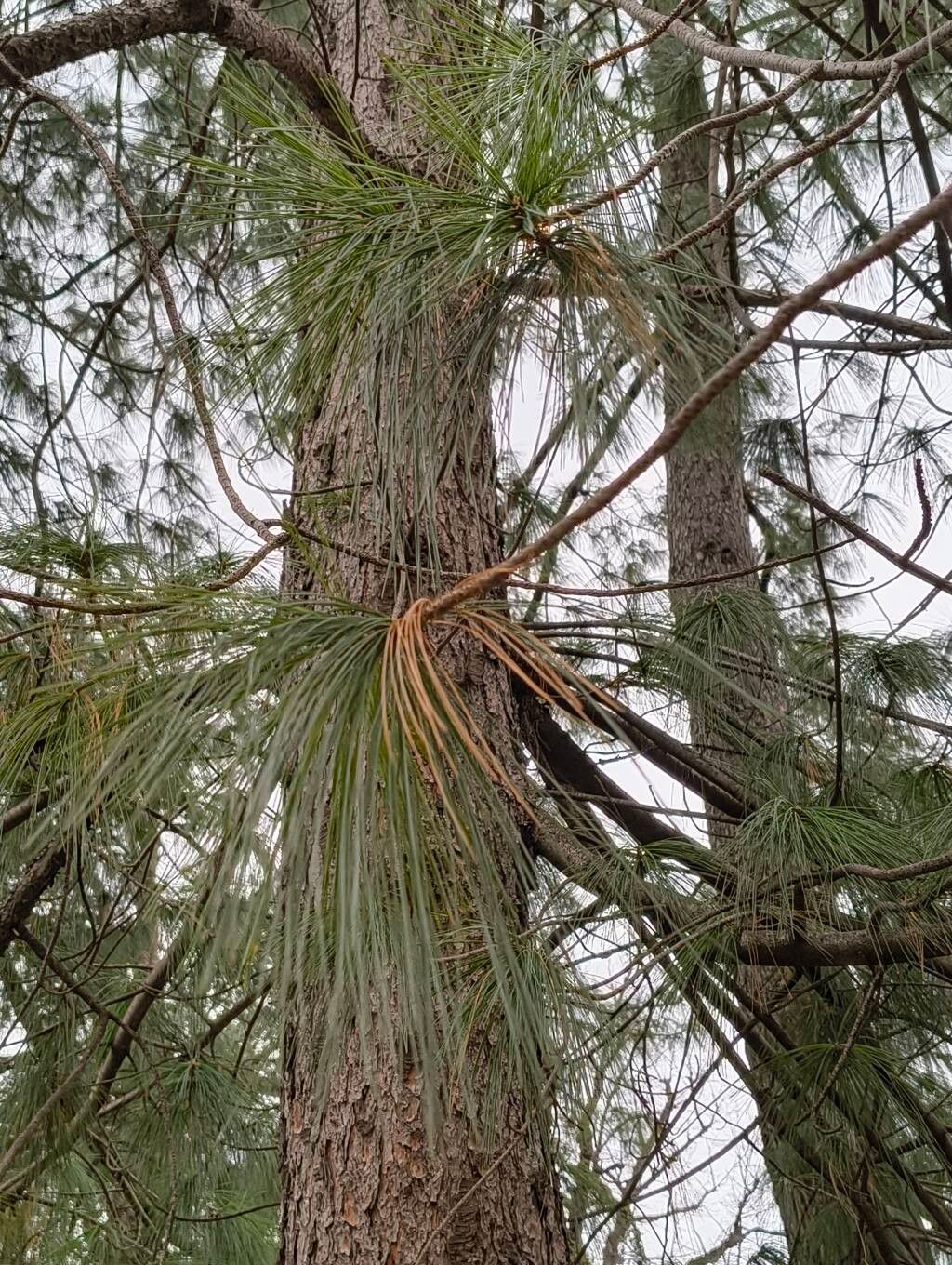
Pinus wallichiana is an upright coniferous evergreen tree growing 40-80 feet (12-24 m) tall and 25-40 feet (7.5-12 m) wide. Long soft drooping blue-green to gray-green needles, 5-8 inches (13-20 cm), are borne in fascicles (bundles) of 5; the pendulous needle texture gives a more relaxed appearance than the shorter stiffer needles of P. strobus (eastern white pine, with which it is often compared). Large pendant banana-shaped resinous cones, 6-12 inches (15-30 cm), drip white resin as they ripen. A five-needle pine in subgenus Strobus (the soft pines). Named after Nathaniel Wallich (1786-1854), Danish-born botanist who served as superintendent of the Calcutta Botanical Garden. Susceptible to white pine blister rust (Cronartium ribicola), a fungal disease that requires an alternate host in the genus Ribes (currants and gooseberries) to complete its life cycle — sites within 1,000 feet (300 m) of Ribes in areas where the disease is present are not suitable for planting, as pathogen pressure is substantially higher. Heat and humidity tolerance is better than that of P. strobus, and P. wallichiana performs in zones 5-9 (compared to zones 3-7 for P. strobus). Native to the Himalayas from Afghanistan to Bhutan at 6,000-12,500 feet (1,800-3,800 m). Drought-tolerant once established. Non-toxic. Deer-resistant.
Native Range
Native to the Himalayas — Afghanistan, Pakistan, India (Kashmir, Himachal Pradesh, Uttarakhand), Nepal, and Bhutan, at 6,000-12,500 feet (1,800-3,800 m).Suggested Uses
Grown as a specimen tree on sites with room for 40-80 foot (12-24 m) height and 25-40 foot (7.5-12 m) spread, spaced 25-40 feet (7.5-12 m) apart. Soft drooping blue-green needles and large resinous cones suit open positions where the form can be viewed in the round. White pine blister rust susceptibility means sites near Ribes are not suitable. Heat tolerance exceeds that of P. strobus, extending the range to zone 9. Non-toxic. Hardy in zones 5-9.How to Identify
Appearance
Size & Dimensions
Height40' - 80'
Width/Spread25' - 40'
Bloom Information
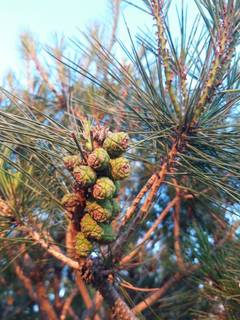
Mid-spring (April-May). Green female strobili and yellow male strobili. Large pendant cones, 6-12 inches (15-30 cm), mature in two years. The soft drooping blue-green needles and the resinous pendant cones are the year-round features.
Detailed Descriptions
Flower Description
female strobili green, 0.5 inch (12 mm); male strobili yellow; both in springFoliage Description
blue-green to gray-green; soft, drooping needles 5-8 inches (13-20 cm), borne in fascicles of 5; the long soft pendulous needle texture gives a more relaxed appearance than the shorter stiffer needles of P. strobusGrowing Conditions
Sun Requirements
Requires 6-10 hours of direct sunlight daily
• Full Sun: 6+ hours of direct sunlight
• Partial Shade: 3-6 hours of direct sunlight
• Full Shade: Less than 3 hours of direct sunlight