Pileostegia, Genus, viburnoides, Species,
- Genus & species
climbing hydrangea vine
Eastern Asia (China, India, Taiwan, southern Japan)
Overview
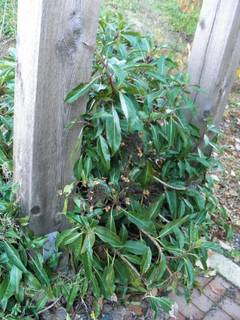
Pileostegia viburnoides is an evergreen self-clinging climbing vine reaching 15–25 feet (4.5–7.6 m) in length, with a vigorous climbing habit that uses aerial rootlets to attach directly to vertical surfaces. The species is a member of the Hydrangeaceae and sits within a small set of evergreen self-clinging climbers available to temperate gardeners that also includes Hedera species, Trachelospermum species, Ficus pumila, and Euonymus fortunei — and within that set, this species is the only member producing terminal hydrangea-type flower panicles. Leaves are alternate, simple, 3–6 inches (8–15 cm) long, narrowly elliptic to lanceolate, leathery, glossy dark green, with entire margins; the leaf shape resembles Viburnum foliage, which gives the specific epithet. Flowers are small, creamy-white, star-shaped, 0.3 inch (8 mm) across, with 4–5 petals and prominent stamens, borne in terminal panicles 4–6 inches (10–15 cm) long in August–October over a 4–6 week window. Growth rate is slow to moderate at 1–3 feet (0.3–0.9 m) per year after establishment. A single plant covers 10–15 feet (3–4.5 m) of horizontal wall run at maturity. Establishment is slow — the vine typically waits 2–3 growing seasons before active climbing begins, during which it puts energy into root development rather than top growth. Hardy to USDA zone 7. Not known to be toxic to pets or humans.
Native Range
Pileostegia viburnoides is native to eastern Asia — China (Hubei, Sichuan, Yunnan, Guangdong), India (Assam and Khasi Hills), Taiwan, and southern Japan — occurring in moist montane forests, climbing on trees and rocky surfaces.Suggested Uses
Trained on shaded north- or east-facing walls, mature tree trunks, or large solid fences at one plant per 10–15 feet (3–4.5 m) of wall run. The evergreen glossy foliage produces year-round wall coverage where deciduous climbers leave bare stems for 4–5 winter months, placing this species alongside Hedera, Trachelospermum, Ficus pumila, and Euonymus fortunei in the short list of evergreen self-clinging climbers available to temperate gardens. Late-season hydrangea-type panicles in August–October add flowering interest on a climbing habit. The 2–3 season establishment delay rules out projects that need quick coverage. Aerial rootlets may leave residue on painted or soft-mortar surfaces; hard-fired brick, concrete, and natural stone handle the attachment without damage. The plant does not grow well in full sun (leaf scorch), cold exposed positions with sustained winter wind, dry sites, or climates below USDA zone 7.How to Identify
Appearance
Size & Dimensions
Height15' - 25'
Width/Spread10' - 15'
Bloom Information
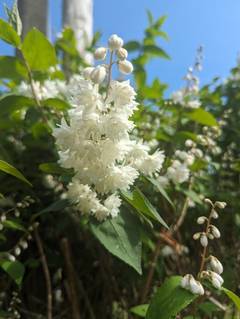
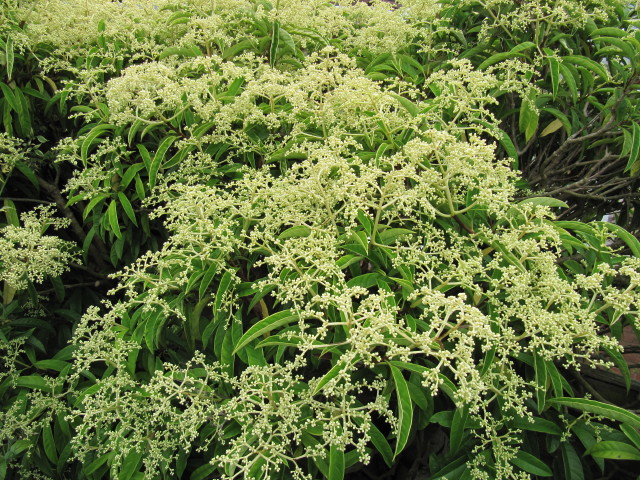
Terminal panicles 4–6 inches (10–15 cm) long composed of small creamy-white star-shaped flowers 0.3 inch (8 mm) across with 4–5 petals and prominent stamens appear in August through October over a 4–6 week window. Late summer to autumn flowering on a climbing vine is a less common bloom period than the spring-summer pattern of most hardy climbers.
Detailed Descriptions
Flower Description
Creamy-white; small star-shaped 0.3 inch with 4-5 petals and prominent stamens in terminal panicles 4-6 inches long; August-OctoberFoliage Description
Glossy dark green; alternate simple narrowly elliptic to lanceolate leathery 3-6 inches long with entire margins; evergreenGrowing Conditions
Sun Requirements
Requires 2-5 hours of direct sunlight daily
• Full Sun: 6+ hours of direct sunlight
• Partial Shade: 3-6 hours of direct sunlight
• Full Shade: Less than 3 hours of direct sunlight
Care & Maintenance
Care Guide
Grow in partial to full shade with 2–5 hours of direct or filtered light in moist, humus-rich, well-drained loam, silt, or peat at pH 5.0–7.0. North- and east-facing walls suit the species because they provide shelter from afternoon sun and cold drying winter winds that cause leaf scorch and desiccation on the evergreen foliage. The aerial rootlets attach directly to masonry without additional trellis or wire support. Water deeply through the first three growing seasons to establish; the plant is not drought-tolerant and shows leaf drop under extended dry conditions. Apply 2–3 inches (5–8 cm) of organic mulch over the root zone in spring. Establishment phase runs 2–3 growing seasons during which top growth is minimal and the vine commits energy to rooting — expect visible climbing only after year 3. Hardy to USDA zone 7.Pruning
Prune in spring (April–May) after the risk of hard frost passes. Remove growth extending into window frames, gutters, eaves, and adjacent plantings. The vine tolerates cutback to the main framework when renovation pruning is needed, though the evergreen foliage means cuts remain visible year-round until new growth fills in over the following 1–2 seasons. Avoid autumn pruning, which removes the developing flower panicles and exposes cut stems to winter damage.Pruning Schedule
Prune: April–May
late spring