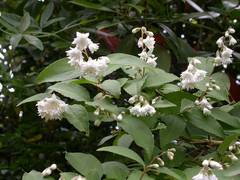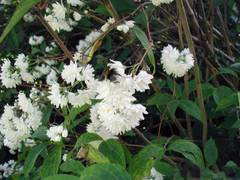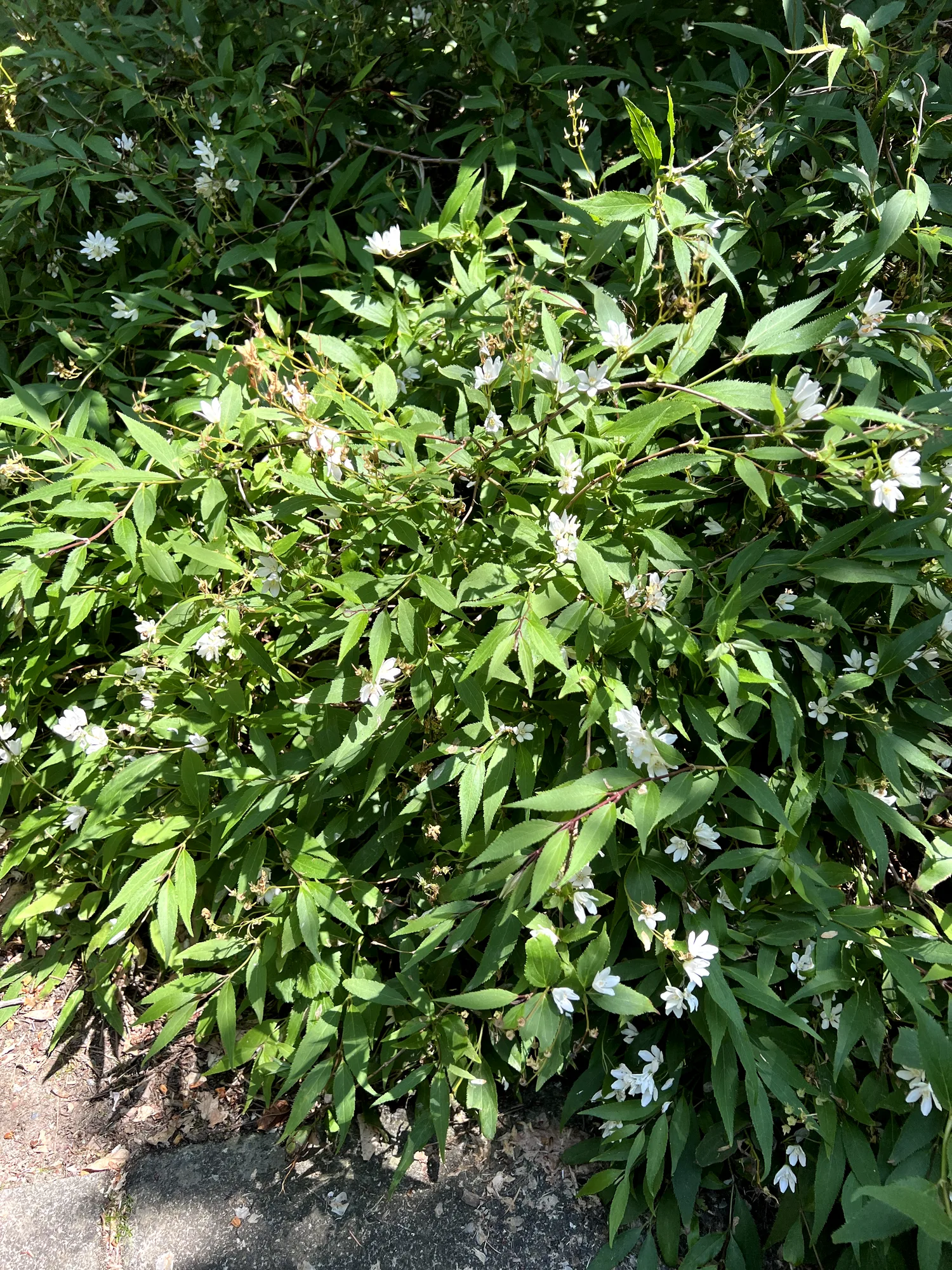
Deutzia gracilis, slender deutzia
1 / 8
Deciduous Shrubs

Deutzia gracilis

slender deutzia

HydrangeaceaeJapan

At a Glance

TypeShrub
HabitMounding
FoliageDeciduous
Height2-4 feet (60 cm-1.2 m)
Width3-4 feet (90 cm-1.2 m)
Maturity4 years

Growing Zones

USDA Hardiness Zones

4 - 8
Zone 4
Zone 5
Zone 6
Zone 7
Zone 8
These zones indicate the coldest temperatures this plant can typically survive.
Frost Tolerancehardy

Key Features

Attracts Pollinators
Attracts Butterflies
Drought Tolerant
Container Friendly
Maintenancevery low

Overview

Deutzia gracilis (slender deutzia) is a compact, arching deciduous shrub native to Japan, reaching 2–4 feet (60 cm–1.2 m) tall and 3–4 feet (90 cm–1.2 m) wide in a graceful, fountain-like mounded form with slender arching stems. In May through June it produces one of the most profuse white flower displays of any small shrub: upright racemes 2–4 inches (5–10 cm) long of pure white, five-petaled star-shaped flowers 0.5 inch (13 mm) across cover the arching branches so densely they obscure the foliage beneath. The visual effect has been compared to a bridal veil — the cascading white-flowered branches are one of the most elegant spring flower displays available in a shrub of this size. Opposite, lance-shaped, finely serrated leaves 1–2.5 inches (2.5–6 cm) long are medium green and provide clean summer texture. Fall foliage turns an attractive purplish to reddish tinge in cool PNW autumns. The stems are hollow. A critical pruning note: Deutzia gracilis flowers on the previous year's wood (old wood), meaning pruning at the wrong time — in winter or early spring — removes the flower buds and results in no bloom that season. Prune only immediately after flowering ends (June). The compact cultivar 'Nikko' reaches only 18 inches (45 cm) and has excellent fall color; it is widely available and popular in smaller gardens. Excellent urban adaptability — pollution and drought tolerant once established.

Native Range

Native to Japan, where it grows in mountain regions and rocky slopes at low to moderate elevations.

Suggested Uses

An outstanding choice for small to medium gardens where profuse spring flowering, compact size, and low maintenance are priorities. The fountain of white bridal-veil flowers in May through June is one of the most elegant spring displays available at this scale. Excellent in mixed shrub borders, foundation plantings, and along paths where the arching stems can spill naturally. 'Nikko' (18 inches / 45 cm) is ideal for small spaces, groundcover use, and the front of borders. Mass plantings create a spectacular sea of white in late spring. Combines well with late tulips, alliums, and early-summer perennials. Also effective as a low informal hedge.

How to Identify

Identified in May through June by the dense profusion of pure white star-shaped flowers 0.5 inch (13 mm) across in upright racemes 2–4 inches (5–10 cm) long covering the arching branches — the display can completely obscure the foliage. Lance-shaped opposite leaves 1–2.5 inches (2.5–6 cm) with fine serrations. Hollow stems. The compact, fountain-like arching habit is characteristic. 'Nikko' cultivar reaches only 18 inches (45 cm). Distinguished from Philadelphus (mock orange) by smaller flowers lacking fragrance, lance-shaped (not ovate) leaves, and hollow (not pithy) stems.

Appearance

Size & Dimensions

Height2' - 4'
Width/Spread3' - 4'

Reaches mature size in approximately 4 years

Colors

Flower Colors

white

Foliage Colors

green

Fall Foliage Colors

red
purple

Bloom Information

Bloom Period

~3 weeks
J
F
M
A
M
J
J
A
S
O
N
D
Spring
Blooms May through June for 2–3 weeks with dense upright racemes of pure white star-shaped flowers 0.5 inch (13 mm) across covering the arching branches in one of the most prolific white-flowering displays of any small hardy shrub. Flowers on previous year's wood — timing is critical for pruning (see pruning guide). No significant fragrance. After bloom, the clean medium-green foliage provides summer texture; in cool PNW autumns, leaves often turn a pleasant purplish-red before drop.

Detailed Descriptions

Flower Description

pure white (star-shaped, in dense upright racemes)

Foliage Description

medium green in summer; purplish-red in fall

Growing Conditions

Sun Requirements

Full Sun
Partial Shade
Requires 4-8 hours of direct sunlight daily
• Full Sun: 6+ hours of direct sunlight
• Partial Shade: 3-6 hours of direct sunlight
• Full Shade: Less than 3 hours of direct sunlight

Soil Requirements

pH Range6.0 - 7.5(Neutral)
357912
Soil Types
loamclaysand
Drainage
well drained

Water & Climate

Water Needs

Low

Frost Tolerance

hardy

Time to Maturity

3-5 years

Drought Tolerance

Drought tolerant when established

Care & Maintenance

Care Guide

Plant in full sun to part shade in well-drained, average soil. Full sun produces the most prolific flowering; part shade is tolerated with moderately reduced bloom. Tolerates clay and slightly poor soils once established. Moderate drought tolerance when established. No significant pest or disease problems — one of the most trouble-free flowering shrubs available. In the PNW, reliable and vigorous; cool maritime summers suit it well. The key cultural rule is pruning timing: Deutzia flowers on previous year's growth, so winter pruning eliminates flower buds for that season. Prune only immediately after flowering ends in June.

Pruning

Prune immediately after flowering ends (June) — this is the single most important care requirement for Deutzia. Cutting at any other time removes flower buds for the following year. After flowering: remove one-third of the oldest, thickest stems to the base to encourage vigorous new growth that will carry next year's flowers. Lightly tip-trim remaining stems to shape. Every 3–5 years, more aggressive renewal (cutting the whole plant to 6–12 inches / 15–30 cm in June) restores vigor without sacrificing the following year's bloom.

Pruning Schedule

J
F
M
A
M
J
J
A
S
O
N
D
summer

Maintenance Level

very low

Container Growing

✓ Suitable for container growing

Minimum container size: 5 gallons
⚠️ Toxicity Warning

Non-toxic