Phlox, Genus, pilosa, Species,
- Genus & species
prairie phlox
Overview
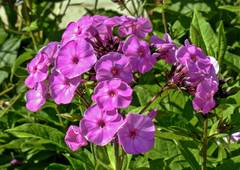
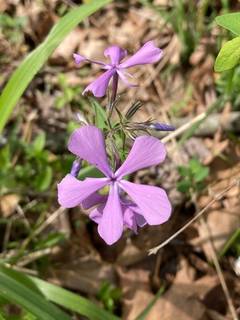
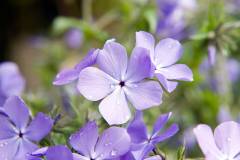
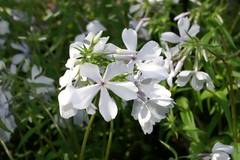
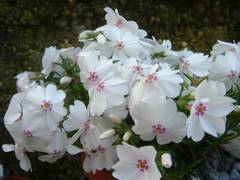
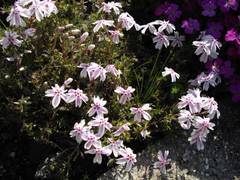
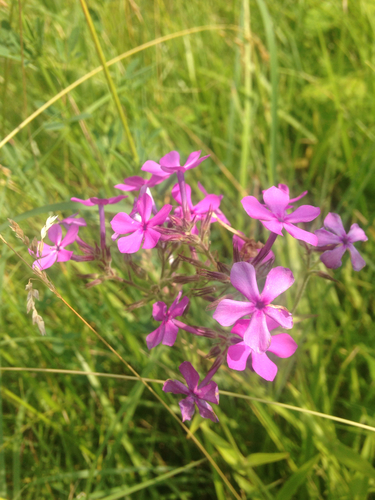
Phlox pilosa is an upright herbaceous perennial in the phlox family, growing 10-24 in (25-60 cm) tall from a slender crown, with hairy, unbranched stems. The narrow, lance-shaped leaves are 1-4 in (2.5-10 cm) long, opposite, and covered with soft hairs that give the plant its downy name. From late spring into early summer it bears loose, rounded clusters of five-petaled flowers about 0.75-1 in (2-2.5 cm) across in pink, rose, lavender, or occasionally white, often with a darker eye at the center; the petals are notched or rounded rather than deeply cleft. The flowers carry a light, sweet fragrance and draw butterflies, moths, and long-tongued bees. After bloom small capsules form and release seed. It grows in prairies, glades, savannas, and open woods across the central and eastern United States, on well-drained soils in full sun to light shade. The plant spreads slowly into modest clumps and stays shorter and more open than border phlox. Unlike garden phlox, it resists powdery mildew well, though crowded, shaded plants can still mildew.
Native Range
Phlox pilosa is native to North America, ranging across the central and eastern United States and into south-central Canada, from the Great Plains east to the Atlantic. It grows in prairies, glades, and open woods.Suggested Uses
Used in prairie plantings, native borders, rock gardens, and pollinator beds, spaced 12-18 in (30-45 cm) apart. Combines with other prairie perennials and grasses in sunny, well-drained ground. Grown in butterfly and cottage gardens for the fragrant spring flowers.How to Identify
Appearance
Size & Dimensions
Height10" - 2'
Width/Spread1' - 1'6"
Bloom Information
Pink to lavender flower clusters open from late spring into early summer, mainly May and June, over a span of four to six weeks. The lightly fragrant flowers draw butterflies, moths, and long-tongued bees. Deadheading after the first flush can bring a scattered rebloom.
Detailed Descriptions
Flower Description
pink to lavenderFoliage Description
greenGrowing Conditions
Sun Requirements
Requires 5-10 hours of direct sunlight daily
• Full Sun: 6+ hours of direct sunlight
• Partial Shade: 3-6 hours of direct sunlight
• Full Shade: Less than 3 hours of direct sunlight
Care & Maintenance
Care Guide
Grows in full sun to light shade on well-drained sandy, loamy, or rocky soils of low to moderate fertility. Soil pH from 6.0 to 7.5 is suitable. It tolerates drought once established and favors soil that is not constantly wet, which can rot the crown. Water during dry spells in the first season, then only in drought. Open air movement reduces the chance of powdery mildew on the foliage. The clumps are slow to spread and benefit from division every few years to stay vigorous.Pruning
Cut the stems back after flowering to tidy the clump and prompt a possible light rebloom. Removing spent flower clusters before seed set limits self-sowing. The dead stems are cut to the ground in late fall or late winter.Pruning Schedule
Prune: July & November
summerfall
Container Growing
Suitable for container growing
Minimum container size: 2 gallons