Phlox, Genus, spp., Multiple species,
- Genus
- Multiple species
phloxes
North America, with one species in Siberia
Overview
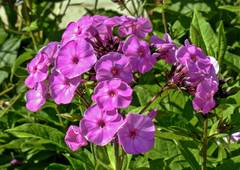
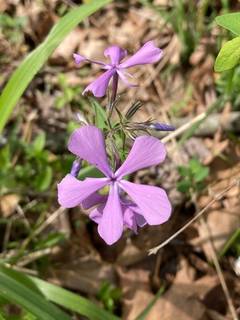
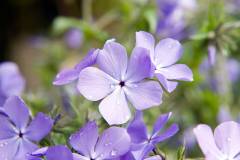
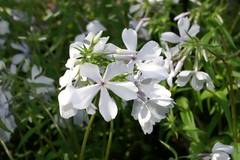
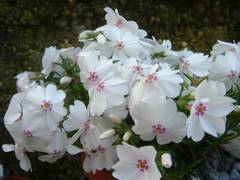
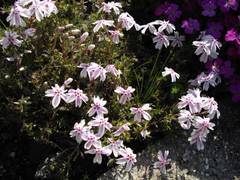
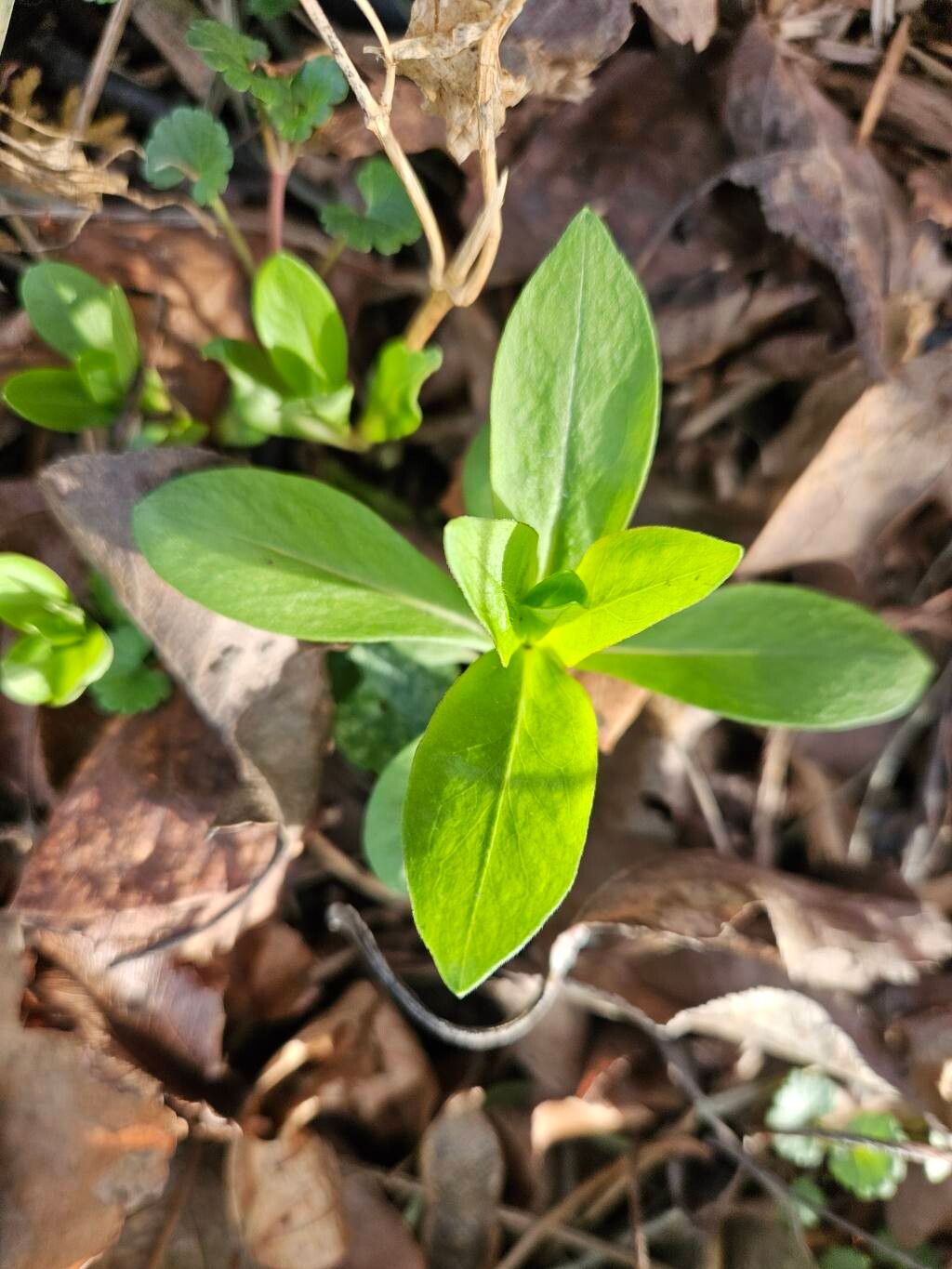
Phlox is a genus of about 65 species in the family Polemoniaceae, nearly all native to North America with a single species reaching into Siberia. The genus ranges from low, mat-forming perennials such as P. subulata at 4 to 6 inches (10 to 15 cm) tall to upright border perennials such as P. paniculata reaching 3 to 4 feet (90 to 120 cm); P. drummondii is grown as an annual. Stems carry opposite, lance-shaped to needle-like leaves 0.5 to 4 inches (1 to 10 cm) long. The flowers are salverform, with five flat lobes spreading from a slender tube, borne singly or in dense rounded to elongated clusters. Flower color spans pink, magenta, purple, lavender, blue, red, and white, frequently with a contrasting central eye, and many species carry a sweet fragrance. Bloom runs from early spring in the creeping species to mid and late summer in the tall border types. Foliage is prone to powdery mildew in humid, crowded plantings, and tall species may need staking on rich soil. Most species are short-lived where drainage is poor.
Native Range
Phlox is almost entirely North American, ranging from Alaska and Canada south through the United States into northern Mexico, with concentrations in the eastern woodlands and western mountains. The single exception, P. sibirica, occurs in arctic and subarctic Asia.Suggested Uses
Border phlox is grown in mixed and perennial borders and as a cut flower, spaced 18 to 24 inches (45 to 60 cm) apart. Creeping and woodland species are used as groundcover, edging, and in rock gardens. The fragrant summer species draw butterflies, moths, and hummingbirds.How to Identify
Appearance
Size & Dimensions
Height4" - 4'
Width/Spread6" - 3'
Bloom Information
Bloom across the genus spans early spring to late summer depending on species. Creeping types such as P. subulata and P. divaricata flower in April and May, while border phlox such as P. paniculata bloom from July into September. Individual clusters last 3 to 5 weeks, and deadheading can extend display in the summer-flowering species.
Detailed Descriptions
Flower Description
pink, magenta, purple, lavender, blue, red, or whiteFoliage Description
greenGrowing Conditions
Sun Requirements
Requires 4-8 hours of direct sunlight daily
• Full Sun: 6+ hours of direct sunlight
• Partial Shade: 3-6 hours of direct sunlight
• Full Shade: Less than 3 hours of direct sunlight
Care & Maintenance
Care Guide
Phlox needs vary by group: border species grow in full sun with consistent moisture and good air circulation, while woodland species grow in part to full shade on humus-rich soil. Most species take well-drained soil at pH 6.0 to 7.5 and are hardy across USDA zones 3 to 8. Water during dry spells, as drought stress worsens powdery mildew, the most common problem in the genus. Space border types 18 to 24 inches (45 to 60 cm) apart to improve airflow and reduce mildew. Creeping species tolerate lean, gritty soil and need little feeding. Tall species on fertile soil may flop and lean without support.Pruning
Cut border phlox to the ground after frost or in early spring to clear old growth. Shearing creeping species lightly after their spring bloom keeps the mats dense. Removing spent flower heads before they set seed limits self-sown seedlings, which rarely match the parent color.Pruning Schedule
Prune: September–October
fall
Container Growing
Suitable for container growing
Minimum container size: 2 gallons