Overview
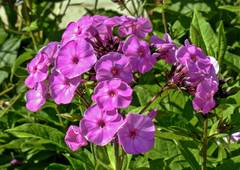
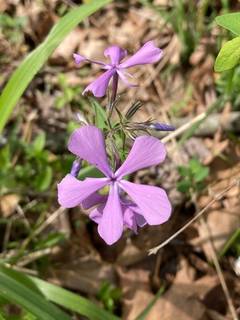
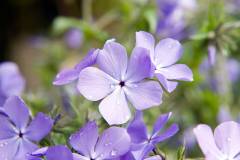
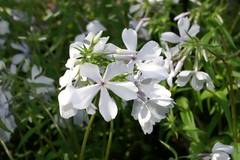
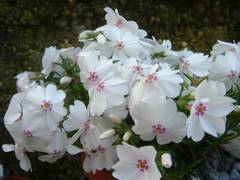
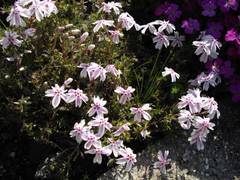
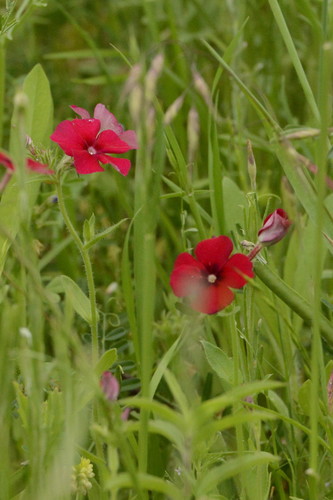
Phlox drummondii is a cool-season annual in the phlox family growing 6-20 inches (15-50 cm) tall with an upright to spreading, branching habit and soft, sticky-hairy stems and foliage. The lance-shaped to oval leaves are 1-3 inches (2.5-7.5 cm) long and clasp the stem. From spring into early summer it produces dense, rounded clusters of five-petaled, salverform flowers about 0.75-1 inch (2-2.5 cm) across in red, pink, purple, white, and bicolor forms, often with a contrasting eye. Native to central and eastern Texas, it grows in sandy prairies, open fields, and roadsides, and it has naturalized in sandy soils across the southern United States. Garden strains derived from this species are widely grown as bedding annuals. P. drummondii flowers most freely in cool spring weather and declines as summer heat and humidity arrive, when it becomes leggy and prone to powdery mildew. It needs full sun and good drainage; in shade it grows weak and flowers little.
Native Range
Native to central and eastern Texas, where it grows in sandy prairies, open fields, and disturbed ground. It has naturalized in sandy soils across much of the southern and southeastern United States.Suggested Uses
Grown as a bedding and border annual, in mixed containers, and in wildflower and cottage plantings, spaced 6-10 inches (15-25 cm) apart. The spring flowers draw butterflies and other pollinators and suit cut-flower use in small posies. It also naturalizes in sunny, sandy meadow plantings.How to Identify
Appearance
Size & Dimensions
Height6" - 1'8"
Width/Spread6" - 1'
Bloom Information
Detailed Descriptions
Flower Description
red, pink, purple, white, often with a contrasting eyeFoliage Description
greenGrowing Conditions
Sun Requirements
Requires 6-10 hours of direct sunlight daily
• Full Sun: 6+ hours of direct sunlight
• Partial Shade: 3-6 hours of direct sunlight
• Full Shade: Less than 3 hours of direct sunlight
Water & Climate
Water Needs
Drought Tolerance
Drought tolerant when established
Care & Maintenance
Care Guide
Grow P. drummondii in full sun and light, well-drained, sandy or loamy soil. It germinates and grows in cool weather, so direct sowing in fall or very early spring, or in late summer in mild climates, extends the flowering period. It tolerates poor soil and some drought but rots in wet or heavy ground. Moderate, even moisture during bloom keeps plants vigorous, while overhead watering and crowding encourage powdery mildew. Light feeding supports flowering, while rich nitrogen produces leaves at the expense of flowers. Heat and humidity end the season, after which plants fade.Pruning
Pinching young plants once encourages branching and more flower clusters. Shearing back lightly after the first flush, together with removing spent clusters, can prompt repeat bloom in regions with a long cool season.Container Growing
Suitable for container growing
Minimum container size: 1 gallons
Toxicity
Non-toxicPlanting Guide
Planting Methods & Timing
Planting Method
direct sow
Indoor Start
6 weeks before last frost
Direct Sow Timing
Fall or early spring in mild climates; after last frost in cold climates
Days to Maturity
60–100 days
Plant Spacing
8 inches
Companion Planting
Good Companions