Phlox, Genus, paniculata, Species, spp., Multiple species,
- Genus & species
- Multiple species
tall phlox mix
Overview
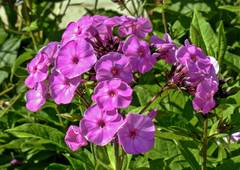
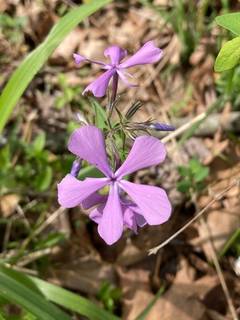
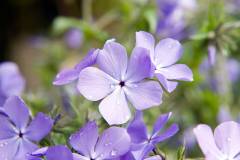
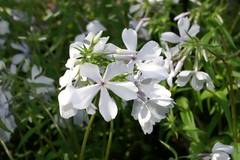
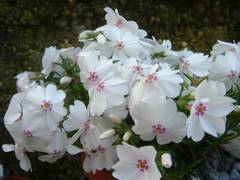
Phlox paniculata is a clump-forming herbaceous perennial reaching 24-48 inches (60-120 cm) tall and 18-30 inches (45-75 cm) wide at maturity, typically within 2-3 growing seasons. Stiff upright stems carry opposite, lance-shaped, mid-green leaves 3-5 inches (7.5-12 cm) long with smooth or slightly hairy surfaces. Each stem terminates in a domed panicle 4-8 inches (10-20 cm) across composed of 30-60 trumpet-shaped flowers; individual flowers are 0.75-1.25 inches (2-3 cm) across with five flat petal lobes around a small open throat. Wild populations and unselected mixes carry flowers in pink to purple-pink with a darker eye; cultivar selections extend the color range to white, magenta, scarlet, lavender, and bicolors. Bloom period runs 4-6 weeks in mid- to late summer (July-August in zones 4-7). Light sweet fragrance carries on warm evenings. Powdery mildew is the main disease issue in humid summers, particularly on plants with crowded basal foliage; thinning to 4-6 strongest stems per crown improves air circulation. Plants self-seed where soil is bare; seedlings often revert to the magenta-pink wild type rather than the parent cultivar.
Native Range
Phlox paniculata is native to eastern and central North America, occurring in moist woodlands, streambanks, and meadows from southern New York and Ontario south to Georgia and west through the Ohio and Mississippi River valleys. The species ranges naturally at elevations from sea level to 2,500 feet (760 m).Suggested Uses
Used in full-sun to part-sun perennial borders, cottage gardens, and pollinator beds at 18-30 inch (45-75 cm) spacing. Planted alongside Echinacea, Rudbeckia, and Monarda in summer-flowering mixed plantings. Grows in containers of at least 5 gallons (19 L) with consistent moisture; container plants are more susceptible to powdery mildew than in-ground plants.How to Identify
Appearance
Size & Dimensions
Height2' - 4'
Width/Spread1'6" - 2'6"
Bloom Information
Mid-July through late August in zones 4-7, typically 4-6 weeks of continuous flowering per established clump. In zones 8-9, flowering begins in late June and may end before mid-August due to summer heat. In zones 3 and the colder parts of zone 4, flowering shifts to early August through mid-September. Removing the central inflorescence at first bloom causes lateral panicles to develop, extending the display by 2-3 weeks.
Detailed Descriptions
Flower Description
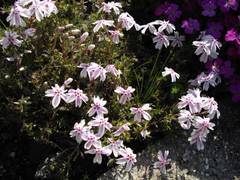
Pink to purple-pink dominant in unselected mixes; cultivars extend to white, magenta, scarlet, lavender, and bicolorsFoliage Description
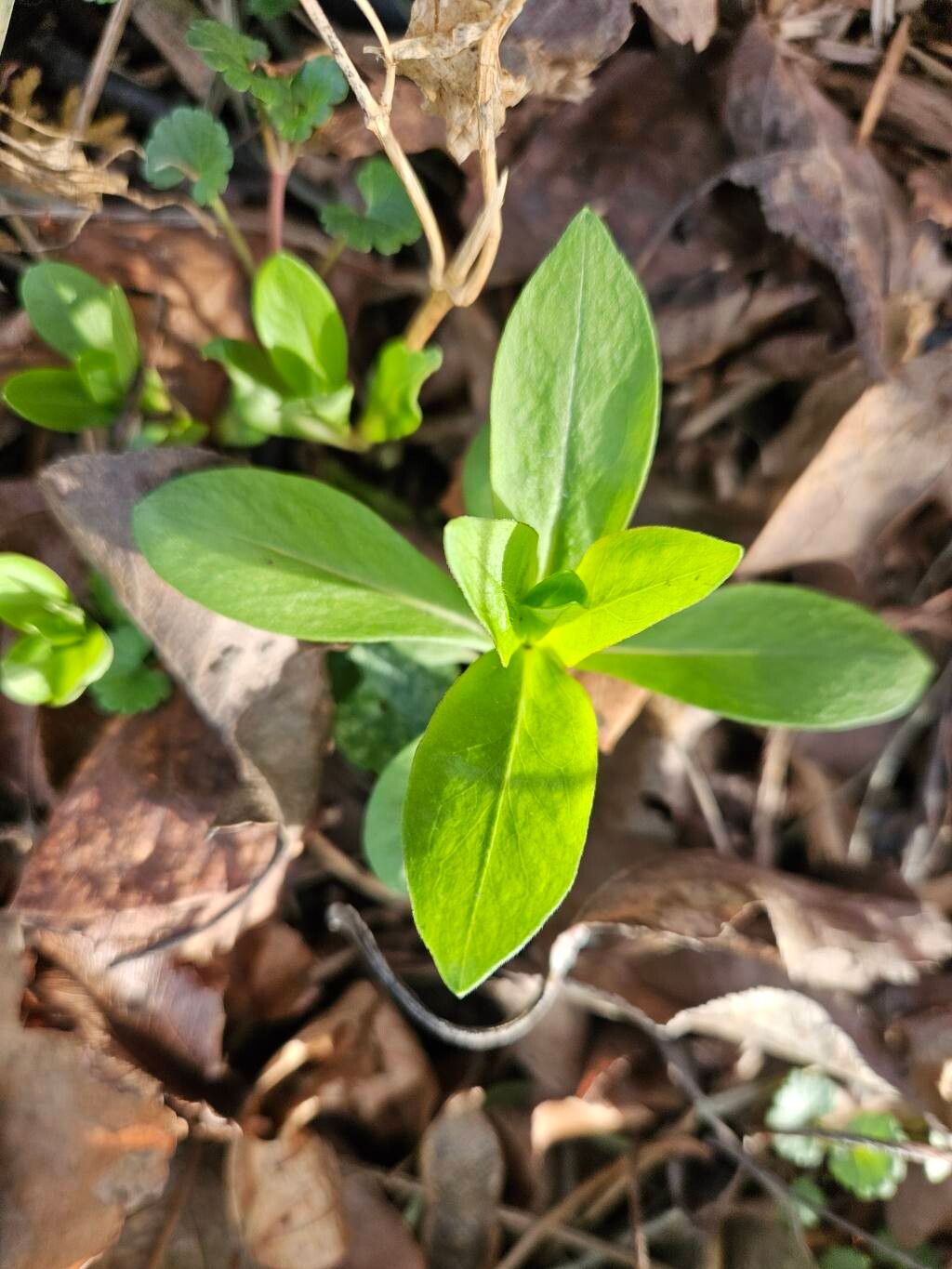
Mid-green, lance-shapedGrowing Conditions
Sun Requirements
Requires 5-10 hours of direct sunlight daily
• Full Sun: 6+ hours of direct sunlight
• Partial Shade: 3-6 hours of direct sunlight
• Full Shade: Less than 3 hours of direct sunlight
Care & Maintenance
Care Guide
Establish in moist, fertile, well-drained loam at pH 6.0-7.5 in full sun to part sun. Water weekly during the growing season; consistent moisture reduces powdery mildew incidence and supports flower size. Apply 2-3 inches (5-7.5 cm) of compost annually in early spring as a feed and mulch. Powdery mildew (Erysiphe cichoracearum) appears as white coating on lower leaves in mid-summer; cultivars vary in resistance, and thinning to 4-6 strongest stems per crown reduces severity. Rabbits and deer feed on emerging shoots in spring; physical barriers protect new growth. Divide every 4-5 years in early spring or autumn to maintain vigor and bloom production.Pruning
Cut stems to ground level in late autumn after first hard frost; powdery-mildew-affected foliage is typically removed from the site rather than composted. Pinching growing tips of the strongest 4-6 stems per crown by 25% in late spring delays bloom by 2-3 weeks and reduces ultimate height. Cut spent flower stalks individually after bloom to prevent self-seeding.Pruning Schedule
Prune: November
fall
Container Growing
Suitable for container growing
Minimum container size: 5 gallons