Phlox, Genus, longifolia, Species,
- Genus & species
longleaf phlox
Overview
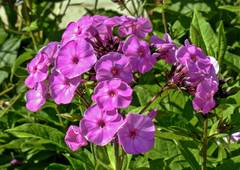
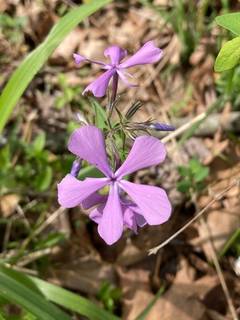
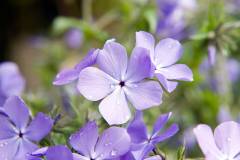
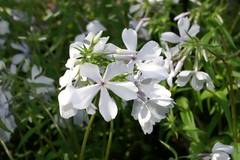
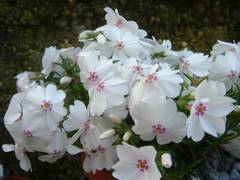
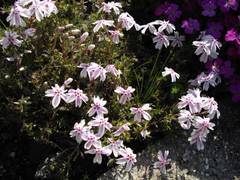
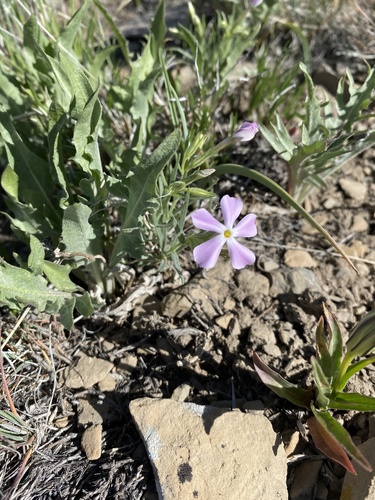
Phlox longifolia is a clump-forming perennial wildflower in the phlox family, growing 4-16 in (10-40 cm) tall from a somewhat woody base. The slender stems carry opposite, narrow, lance-shaped to linear leaves 1-3 in (2.5-8 cm) long. From April to June the plant bears loose clusters of five-lobed flowers about 0.5-1 in (1.5-2.5 cm) across in shades of pink, lavender, and white, each with a slim floral tube and a faint fragrance. The flowers draw butterflies, bees, and long-tongued insects that can reach the nectar at the base of the tube. The species grows in sagebrush steppe, pinyon-juniper woodland, and on dry, rocky slopes across much of western North America. It tolerates drought and poor soils and goes summer-dormant in the driest sites after seed set. Heavy, wet soils and shade reduce flowering and shorten its life. Plants vary widely in height and flower color across their range. It resembles other western phloxes but is told apart by its longer, narrow leaves and loose, few-flowered clusters.
Native Range
Phlox longifolia is native to western North America, ranging through the Great Basin, Rocky Mountains, and intermountain West from British Columbia south to California, Arizona, and New Mexico. It grows in sagebrush steppe, pinyon-juniper woodland, and on dry, rocky slopes.Suggested Uses
Phlox longifolia is used in rock gardens, native plantings, and low-water beds in the western states, where its spring flowers add early color. It supports butterflies and other pollinators. It combines with sagebrush, penstemons, and buckwheats in dry naturalistic gardens.How to Identify
Appearance
Size & Dimensions
Height4" - 1'4"
Width/Spread6" - 1'
Bloom Information
Flowering runs from April to June, varying with elevation and snowmelt. The five-lobed flowers open in loose clusters and carry a light fragrance. Seeds ripen in early summer, after which dry-site plants often go dormant.
Detailed Descriptions
Flower Description
pink to lavender to whiteFoliage Description
greenGrowing Conditions
Sun Requirements
Requires 6-12 hours of direct sunlight daily
• Full Sun: 6+ hours of direct sunlight
• Partial Shade: 3-6 hours of direct sunlight
• Full Shade: Less than 3 hours of direct sunlight
Care & Maintenance
Care Guide
Phlox longifolia grows in full sun on sharply drained, sandy, gravelly, or rocky soils and needs little water once established. It tolerates cold mountain winters and hot, dry summers within USDA zones 4-8. Excess water and heavy soils cause rot, so lean, gritty ground is the typical requirement. Established plants transplant poorly because of their deep, somewhat woody roots. After bloom in dry sites the foliage may die back until the next spring. Light fertility is enough, and rich soil produces weak, floppy growth.Pruning
Pruning needs are minimal. Spent flower stems can be sheared after bloom to tidy the clump and limit self-seeding. The woody base is left intact, as hard cutting into old wood is slow to regrow.Pruning Schedule
Prune: June
summer