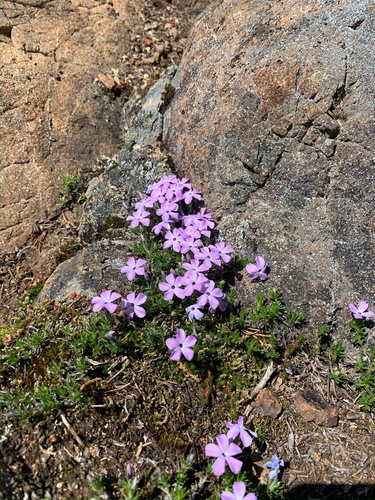
Phlox, Genus, diffusa, Species,
- Genus & species
spreading phlox
Overview
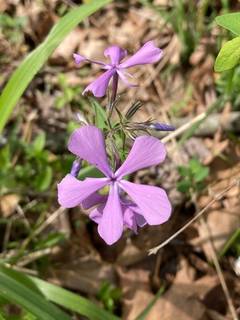
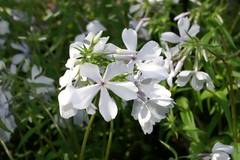
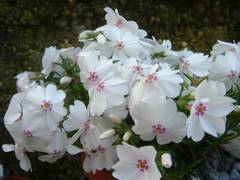
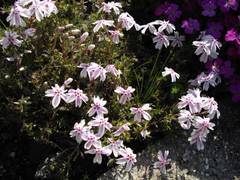
Phlox diffusa is a low, mat-forming perennial in the phlox family that spreads into loose cushions 2-4 inches (5-10 cm) tall and 8-20 inches (20-50 cm) wide. The wiry, branching stems are clothed in narrow, needle-like evergreen leaves 0.3-0.7 inch (8-18 mm) long. From May to August the mats are covered in five-petaled flowers about 0.5-0.75 inch (12-18 mm) across, ranging from pink and lavender to white, each on a very short stalk so the bloom nearly hides the foliage. P. diffusa grows on rocky slopes, ridgelines, and open conifer woodland in the mountains of western North America, from sea level on northern coasts to alpine elevations. It tolerates lean, gritty soils, cold, and wind but declines in rich, wet ground and prolonged shade. The deep, woody root system anchors it in scree and helps it survive summer drought. Growth is slow, and established cushions are difficult to transplant. Bees and butterflies visit the flowers in the short mountain season.
Native Range
Native to western North America, from British Columbia south through the Cascade, Sierra Nevada, and Rocky Mountain ranges to California, growing from coastal bluffs to alpine ridges.Suggested Uses
Used in rock gardens, troughs, crevice gardens, and gritty slopes where its tight cushions fit between stones. It suits alpine and dryland plantings with sharp drainage. Rich, moist borders are less suited to it.How to Identify
Appearance
Size & Dimensions
Height2" - 4"
Width/Spread8" - 1'8"
Bloom Information
Detailed Descriptions
Flower Description
pink to lavenderFoliage Description
greenGrowing Conditions
Sun Requirements
Requires 6-12 hours of direct sunlight daily
• Full Sun: 6+ hours of direct sunlight
• Partial Shade: 3-6 hours of direct sunlight
• Full Shade: Less than 3 hours of direct sunlight
Care & Maintenance
Care Guide
Phlox diffusa grows in full sun and sharply drained, gritty or rocky soil with a pH from about 6.0 to 7.5. It needs little water once established and rots in rich, moist, or poorly drained ground. Cold and wind are tolerated, matching its mountain origins. It is propagated from seed or from cuttings of the woody stems, and established cushions recover slowly from disturbance. Top growth stays low and evergreen through winter. No fertilizer is needed in the lean soils it occupies.Pruning
Pruning is generally not needed. A light shearing after flowering keeps the cushion compact and removes spent blooms. Dead patches are trimmed out to maintain an even mat.Container Growing
Suitable for container growing
Minimum container size: 1 gallons