Phacelia, Genus, nemoralis, Species,
- Genus & species
shade phacelia
Overview
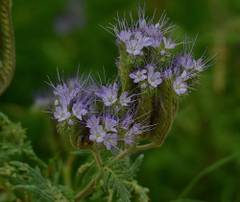
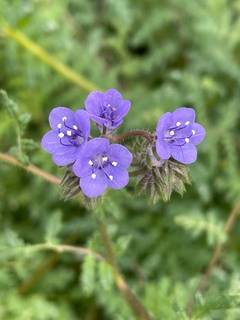
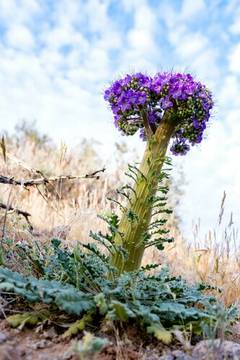
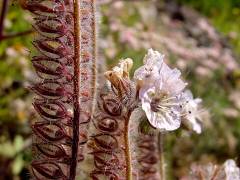
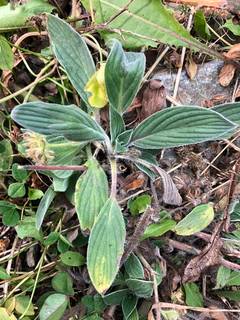
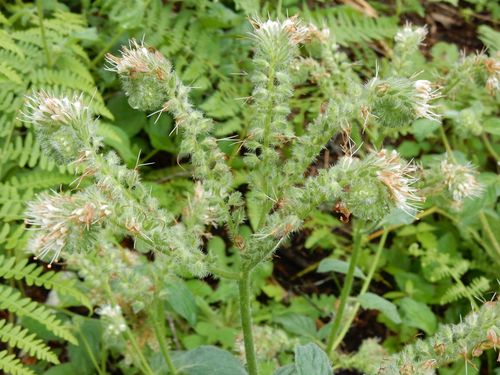
A tall biennial to short-lived perennial reaching 3-5 feet (90-150 cm) tall from a basal cluster of leaves with one to several stout flowering stems. Basal leaves pinnately compound, 4-10 inches (10-25 cm) long, with 5-9 oval to lance-shaped leaflets, dark green and roughly hairy. Stem leaves smaller, similarly divided. The entire plant is densely covered with stiff bristly hairs that may cause skin irritation on contact in some individuals. Inflorescences scorpioid (tightly coiled at first, uncoiling as flowers open) cymes that elongate during bloom into spikes 6-12 inches (15-30 cm) long. Each flower 0.25-0.4 inch (6-10 mm) across, dull greenish-white to pale yellow-green with prominent exserted stamens that extend 0.3-0.5 inch (8-13 mm) beyond the petals, giving the inflorescence a fuzzy or feathery appearance. Capsules 0.15-0.25 inch (4-6 mm), ripening in late summer. Plants flower in their second year from seed and decline after flowering; self-sown seedlings establish stands.
Native Range
Native to the Pacific coast of North America from southern Alaska south through coastal British Columbia, Washington, and Oregon to northern California. Found in moist coniferous forests, shaded streambanks, and disturbed forest openings at sea level to 3,500 feet (1,070 m) elevation.Suggested Uses
Commonly planted in shaded native plant gardens, woodland edges, and naturalistic forest understory plantings at 18-24 inch (45-60 cm) spacing. Self-seeding habit suits naturalistic plantings but may need thinning in formal settings. Bristly foliage causes skin irritation on contact in some individuals; in cultivation, the species is commonly grown at distance from frequently traversed paths.How to Identify
Appearance
Size & Dimensions
Height3' - 5'
Width/Spread1'6" - 2'6"
Bloom Information
Detailed Descriptions
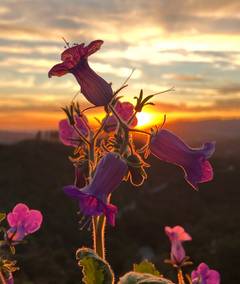
Flower Description
dull greenish-white to pale yellow-greenFoliage Description
dark greenGrowing Conditions
Sun Requirements
Requires 2-6 hours of direct sunlight daily
• Full Sun: 6+ hours of direct sunlight
• Partial Shade: 3-6 hours of direct sunlight
• Full Shade: Less than 3 hours of direct sunlight
Care & Maintenance
Care Guide
Direct-sow seed in autumn for germination the following spring; seed requires cold-moist stratification of 8-12 weeks. Plants are biennial to short-lived perennial; expect a basal rosette in year 1 and flowering in year 2, after which most plants decline. Soils with high organic matter and consistent moisture support the largest plants; xeric sites yield smaller, lower-flowering specimens. Foliage causes skin irritation on contact in some individuals through bristly hairs, similar to other large Phacelia species. Slugs may damage emerging shoots in mild wet springs. Self-sown seedlings replace mature plants in established stands.Pruning
Cut spent flower stems to the basal rosette after seed has dispersed in late summer to control self-seeding. The plant is monocarpic in most stands; flowering individuals die back after seed set. Volunteer seedlings can be thinned in autumn or early spring to maintain desired density.Pruning Schedule
Prune: August
summer
Container Growing
Minimum container size: 3 gallons
Toxicity: Not assessed
UnknownPlanting Guide
Planting Methods & Timing
Planting Method
direct sow