Phacelia, Genus, minor, Species,
- Genus & species
wild canterbury bells
Southern California and Baja California
SunFull Sun
Overview
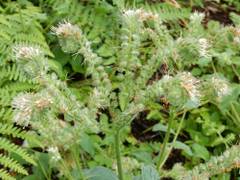
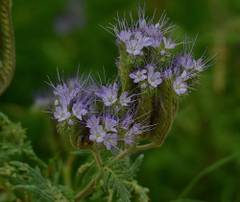
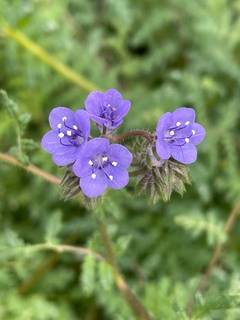
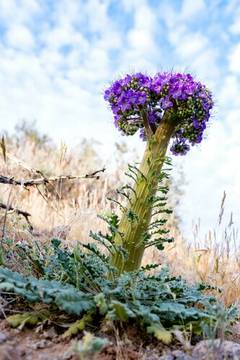
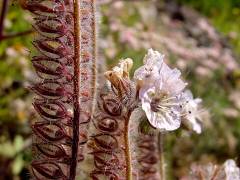
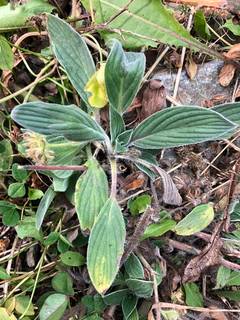
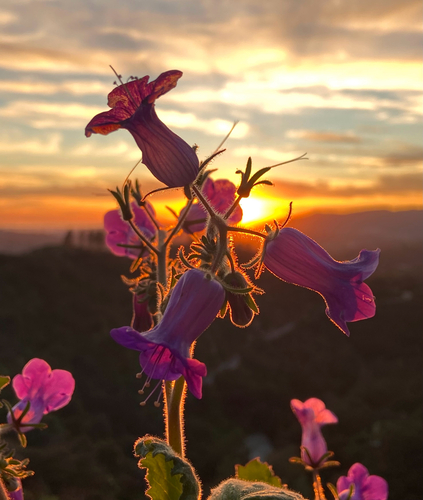
Phacelia minor is a spring annual wildflower in the borage family, growing 6-24 in (15-60 cm) tall on hairy, often reddish stems. The oval to heart-shaped leaves are 1-3 in (2.5-8 cm) long, toothed, wrinkled, and covered in glandular hairs. From March to May the plant bears bell-shaped flowers 1-1.5 in (2.5-4 cm) long in deep violet to purple, held in coiled clusters that uncurl as the buds open from the base. The wide-mouthed bells are larger than those of most phacelias and draw bees and other pollinators. After bloom the flowers form small capsules that release seed, which can stay dormant in the soil for years until fire or rain triggers germination. The plant grows in chaparral, coastal sage scrub, and on dry slopes in southern California and Baja California, often appearing in numbers after wildfire. As an annual it germinates with winter rain, flowers in spring, and dies by early summer. The glandular hairs can irritate or blister sensitive skin on contact. It tolerates poor, dry soils but fades in shade and wet ground.
Native Range
Phacelia minor is native to southern California and Baja California, growing in chaparral, coastal sage scrub, and on dry, open slopes below about 4,000 ft (1,200 m). It is often abundant in the season after wildfire.Suggested Uses
Phacelia minor is used in wildflower meadows, native seed mixes, and low-water gardens for its violet spring bells. Its flowers are a strong draw for native bees and other pollinators. It suits sunny, dry banks and restoration plantings in mild-winter regions.How to Identify
Appearance
Size & Dimensions
Height6" - 2'
Width/Spread6" - 1'
Bloom Information
Flowering runs from March to May, peaking in early spring after a wet winter. The violet bells open in sequence as the coiled clusters uncurl. Bloom is heaviest in the year following a fire, then declines as the seed bank rests.
Detailed Descriptions
Flower Description
violet to purpleFoliage Description
greenGrowing Conditions
Sun Requirements
Requires 6-12 hours of direct sunlight daily
• Full Sun: 6+ hours of direct sunlight
• Partial Shade: 3-6 hours of direct sunlight
• Full Shade: Less than 3 hours of direct sunlight
Water & Climate
Water Needs
Drought Tolerance
Drought tolerant when established
Care & Maintenance
Care Guide
Phacelia minor grows in full sun on well-drained sandy or rocky soils and needs only winter and spring rainfall. As a winter annual it is sown from seed in autumn to germinate with cool-season moisture. It tolerates poor, dry ground and fades in shade or rich, wet soil. No winter care applies in its mild native range. Seed can stay dormant for years, so stands vary widely from season to season. The glandular hairs may irritate skin, and contact with the foliage can cause a rash in sensitive people.Pruning
Pruning is not used for this annual. Spent plants dry and die after seed set in late spring and can be cleared once seed has dropped. Leaving plants to self-seed adds to the soil seed bank for future seasons.Toxicity
Non-toxicPlanting Guide
Planting Methods & Timing
Planting Method
direct sow
Direct Sow Timing
Fall (October-November)
Days to Maturity
80–120 days
Plant Spacing
8 inches
Companion Planting
Good Companions