Image 1 of 10
1 / 10
© No machine-readable author provided. NoahElhardt assumed (based on copyright claims)., some rights reserved (CC-BY-SA) · Wikimedia Commons
Phacelia, Genus, cicutaria, Species,
- Genus & species
caterpillar scorpionweed
California and southwestern United States
SunFull Sun
Overview
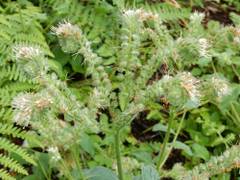
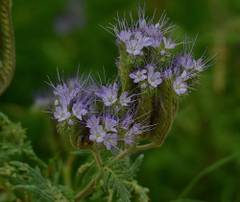
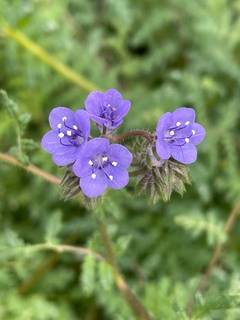
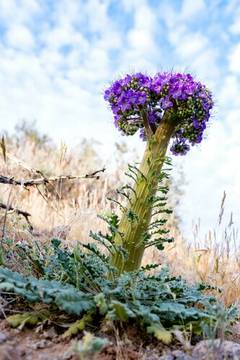
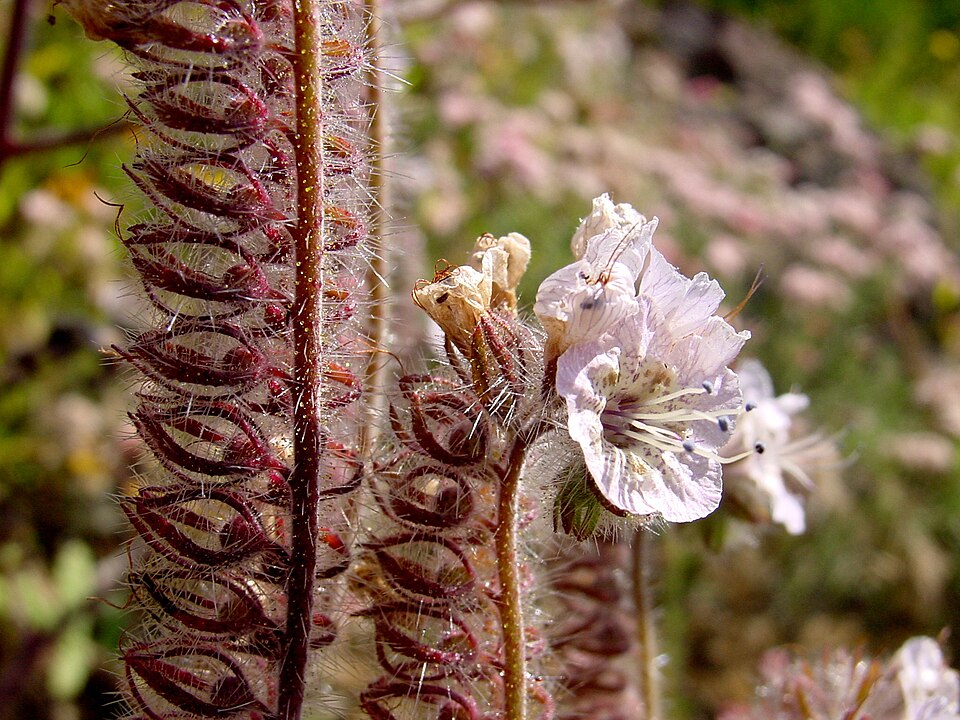
Phacelia cicutaria is an erect, hairy annual 8-32 inches (20-80 cm) tall, native to dry slopes, washes, and burned or disturbed ground of California and the southwestern United States. The leaves are deeply divided into toothed segments, resembling those of water hemlock, the source of the species name cicutaria. Coiled flower clusters unroll from the tip like a caterpillar, giving the common name; as each curled cyme straightens, dull white to cream or pale lavender bell-shaped flowers about 0.25 inch (6-8 mm) long open in sequence. Long stiff hairs cover the stems, leaf-stalks, and flower clusters. The glandular hairs can irritate the skin of sensitive people on contact. Flowering follows winter and spring rain, generally March through May, and is often abundant the first spring after fire. The plant completes its life in one season and dies after seeding, regenerating from a long-lived seed bank. It grows quickly on poor, dry soils but is short-lived and weakly persistent without periodic disturbance.
Native Range
Native to California and the southwestern United States into Baja California, growing on dry slopes, canyon washes, chaparral, and recently burned or disturbed ground below about 6,500 feet (2,000 m).Suggested Uses
Grown in wildflower mixes, native plantings, and post-fire restoration on dry sites. Used to fill disturbed open ground quickly in regions with winter rain. Its short life and skin-irritating hairs restrict its use in handled, high-traffic plantings.How to Identify
Appearance
Size & Dimensions
Height8" - 2'8"
Width/Spread6" - 1'4"
Bloom Information
Flowers open from late winter into spring, generally March through May, following sufficient rainfall. Coiled cymes unroll over several weeks, opening dull white to cream or pale lavender bell flowers in sequence. Bees and other insects visit the flowers, and bloom is heaviest the first spring after fire.
Detailed Descriptions
Flower Description
Dull white to cream or pale lavenderFoliage Description
GreenGrowing Conditions
Sun Requirements
Requires 6-12 hours of direct sunlight daily
• Full Sun: 6+ hours of direct sunlight
• Partial Shade: 3-6 hours of direct sunlight
• Full Shade: Less than 3 hours of direct sunlight
Water & Climate
Water Needs
Drought Tolerance
Drought tolerant when established
Care & Maintenance
Care Guide
Full sun and dry, well-drained soil suit this annual, which grows on lean, sandy, or rocky ground. It tolerates a soil pH from about 6.0 to 7.5 and needs only winter and spring moisture, withstanding drought as the season dries. Rich, wet soil produces soft growth and fewer flowers. The plant sets abundant seed and returns from the seed bank, often after soil disturbance or fire. The glandular hairs can cause skin irritation in sensitive people. Few pests trouble it beyond aphids on new growth.Pruning
Spent plants are pulled or cut once they yellow and set seed at season end. Shearing before the seed ripens reduces self-sowing. No structural pruning applies.Container Growing
Suitable for container growing
Minimum container size: 1 gallons
Toxicity Warning
Toxic to humansPlanting Guide
Planting Methods & Timing
Planting Method
direct sow