Phacelia, Genus, spp., Multiple species,
- Genus
- Multiple species
scorpionweeds
Western North America, with a few in South America
Overview
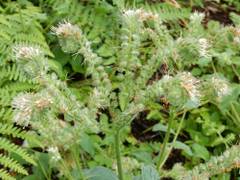
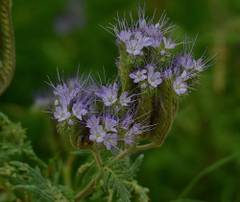
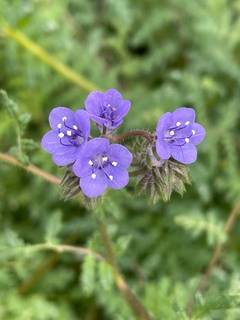
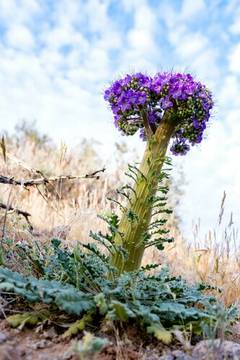
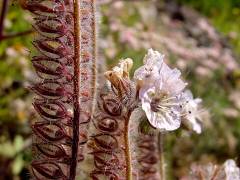
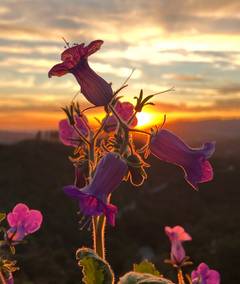
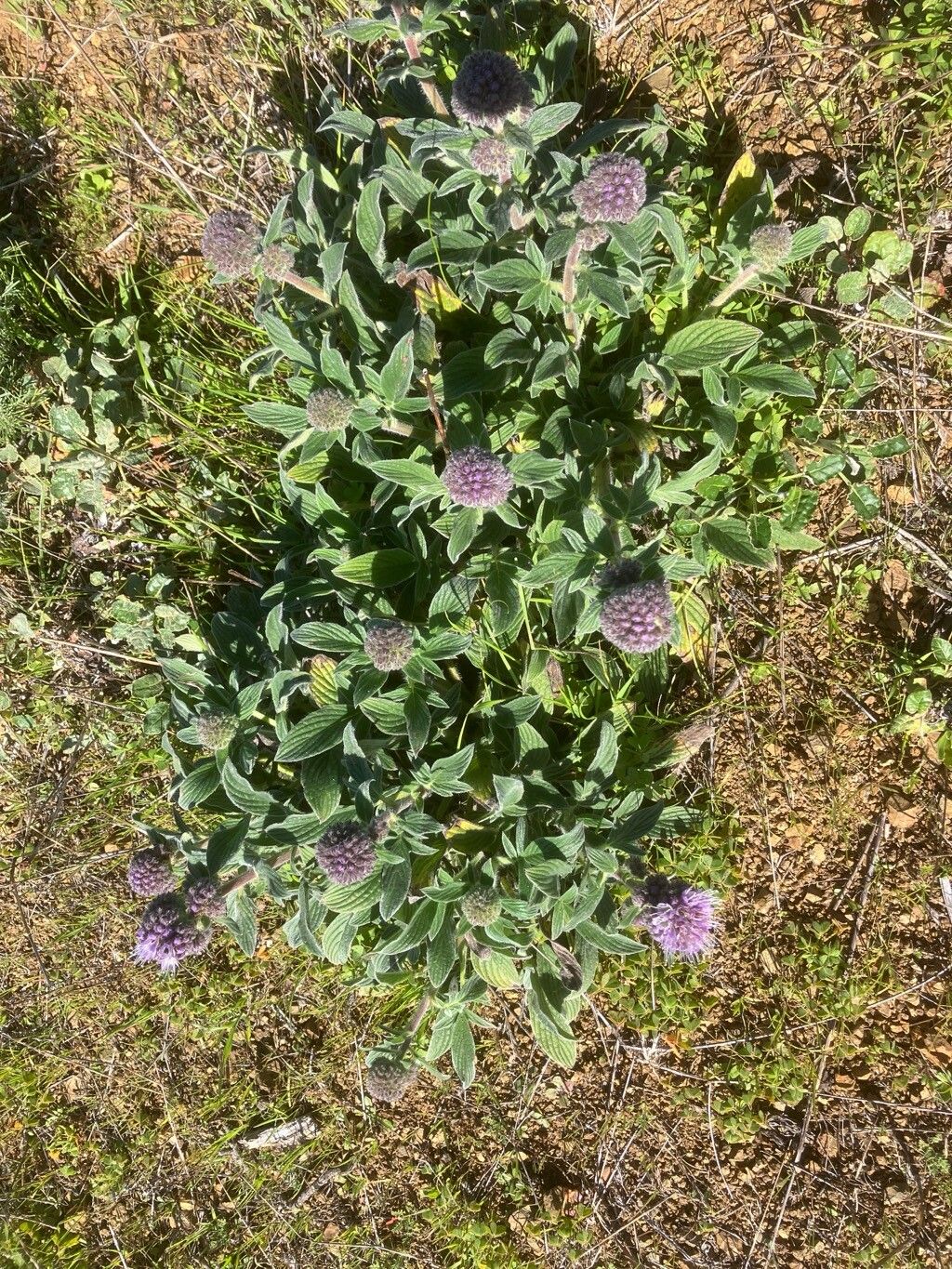
Phacelia is a genus of about 200 species of annual, biennial, and perennial herbs in the borage family (Boraginaceae), called scorpionweed or phacelia for the way the flower stalk coils like a scorpion's tail and uncurls as it opens. Plants form upright to spreading clumps 6 to 36 in (15 to 90 cm) tall, with hairy, often deeply cut or fern-like leaves. The bell- to saucer-shaped flowers, in blue, lavender, purple, or white, line one side of the coiled stalk and open in sequence from the base toward the tip; long stamens give many species a fuzzy look. The genus is centered in western North America, where species color desert and grassland in spring, and a few occur in South America. Phacelia flowers draw bees and other pollinators in large numbers, and lacy phacelia (P. tanacetifolia) is sown as a bee plant, cover crop, and green manure. Most species are spring annuals that germinate with autumn or winter rain, flower, and set seed before summer drought. The bristly hairs of some desert species can cause an itchy skin rash like poison ivy in people who handle them.
Native Range
Phacelia is centered in western North America, from Canada through the United States to Mexico, with the greatest diversity in California and the southwestern deserts, and a few species in the Andes of South America. It grows in deserts, grasslands, chaparral, open woodland, and disturbed ground.Suggested Uses
Phacelia is grown in wildflower meadows, pollinator plantings, and desert and gravel gardens for its spring flowers, and lacy phacelia is sown as a bee plant, cover crop, and green manure between food crops. It is used to draw bees and hoverflies into vegetable gardens and orchards.How to Identify
Appearance
Size & Dimensions
Height6" - 3'
Width/Spread6" - 1'6"
Bloom Information
Phacelia blooms mainly in spring, roughly March to June, with desert annuals timed to seasonal rain and mountain species flowering into summer. The coiled flower stalks uncurl as bloom moves from base to tip over several weeks. The flowers draw bees heavily while open.
Detailed Descriptions
Flower Description
blue, lavender, purple, or whiteFoliage Description
green, hairyGrowing Conditions
Sun Requirements
Requires 6-12 hours of direct sunlight daily
• Full Sun: 6+ hours of direct sunlight
• Partial Shade: 3-6 hours of direct sunlight
• Full Shade: Less than 3 hours of direct sunlight
Care & Maintenance
Care Guide
Phacelia grows in full sun on light, well-drained soil at pH 6.0 to 7.5 and tolerates poor, dry, sandy, and rocky ground. Annual species are grown from seed sown in autumn or early spring where they are to flower, since the seedlings move poorly, and they complete their cycle before summer heat. Too much water or rich soil makes the growth soft and short-lived. Most species need no feeding and self-sow where the soil stays open. The perennial species tolerate cold across USDA zones 5 to 9, while the annuals rely on seed to return.Pruning
Phacelia needs little pruning. Spent annual plants are cut or pulled after seed sets, or turned into the soil when grown as a cover crop and green manure. Removing flower stalks before seed ripens limits self-sowing.Container Growing
Suitable for container growing