Overview
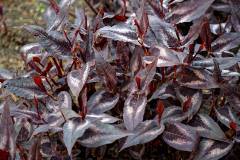
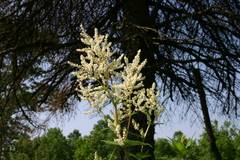
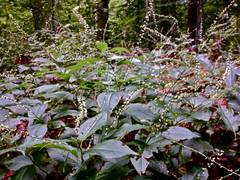
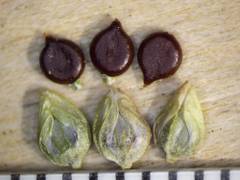
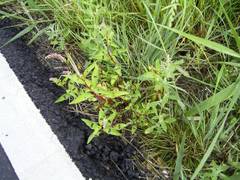
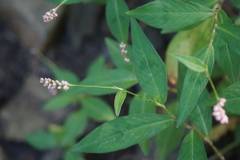
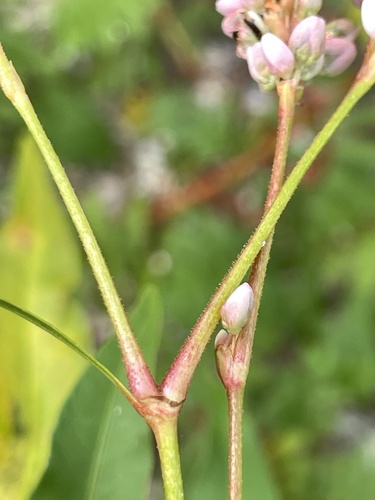
Persicaria pensylvanica is an erect annual in the knotweed family, growing 1-4 ft (30-120 cm) tall on stout, branching, often reddish stems with swollen, papery sheaths (ocreae) wrapping each node. The lance-shaped leaves are 2-6 in (5-15 cm) long, sometimes marked with a dark central blotch, and taper to a point. From summer into fall the stems carry dense, cylindrical spikes 0.5-1.5 in (1.5-4 cm) long packed with tiny pink to rose, occasionally white, flowers held upright at the branch tips. The flowers give way to small, shiny, flattened dark seeds that are eaten in quantity by waterfowl and songbirds. It grows in moist to wet ground along pond and stream margins, ditches, marsh edges, floodplains, and damp disturbed fields. The plant germinates fast in bare wet mud and self-sows heavily, behaving as a pioneer of disturbed wet sites. Its rapid, weedy growth can overrun small plantings. Heavy seed set makes it a food source for wetland wildlife and a pioneer of bare, wet ground rather than a structured border plant.
Native Range
Persicaria pensylvanica is native to North America, occurring across most of Canada and the United States from coast to coast. It grows in wet meadows, marsh and pond edges, ditches, and damp disturbed ground.Suggested Uses
Used in rain gardens, pond and stream edges, and wetland or habitat plantings on wet ground, spaced 12-18 in (30-45 cm) apart. Grown as a seed source in waterfowl and songbird habitat. Suited to bioswales and the margins of constructed wetlands.How to Identify
Appearance
Size & Dimensions
Height1' - 4'
Width/Spread1' - 2'
Bloom Information
Detailed Descriptions
Flower Description
pink to roseFoliage Description
greenGrowing Conditions
Sun Requirements
Requires 4-10 hours of direct sunlight daily
• Full Sun: 6+ hours of direct sunlight
• Partial Shade: 3-6 hours of direct sunlight
• Full Shade: Less than 3 hours of direct sunlight
Water & Climate
Water Needs
Care & Maintenance
Care Guide
Grows in full sun to part shade on moist to wet soils, including mud, clay, and the margins of standing water; it withstands periodic flooding. Soil pH from 5.5 to 7.5 is tolerated. Water needs are high, as the plant wilts in prolonged dry soil. It establishes fast from seed in bare wet ground and self-sows heavily, so it can spread well beyond where it was placed. Dry, well-drained sites do not suit it. Few pests trouble this vigorous annual.Pruning
No pruning is needed. Spikes can be cut before seed ripens to curb the heavy self-sowing. Plants pull easily at season end as they die back with frost.Toxicity
Non-toxicPlanting Guide
Planting Methods & Timing
Planting Method
direct sow
Direct Sow Timing
spring after frost on wet ground
Days to Maturity
60–90 days
Plant Spacing
14 inches