Oreocarya, Genus, spp., Multiple species,
- Genus
- Multiple species
perennial cryptanthas
Overview
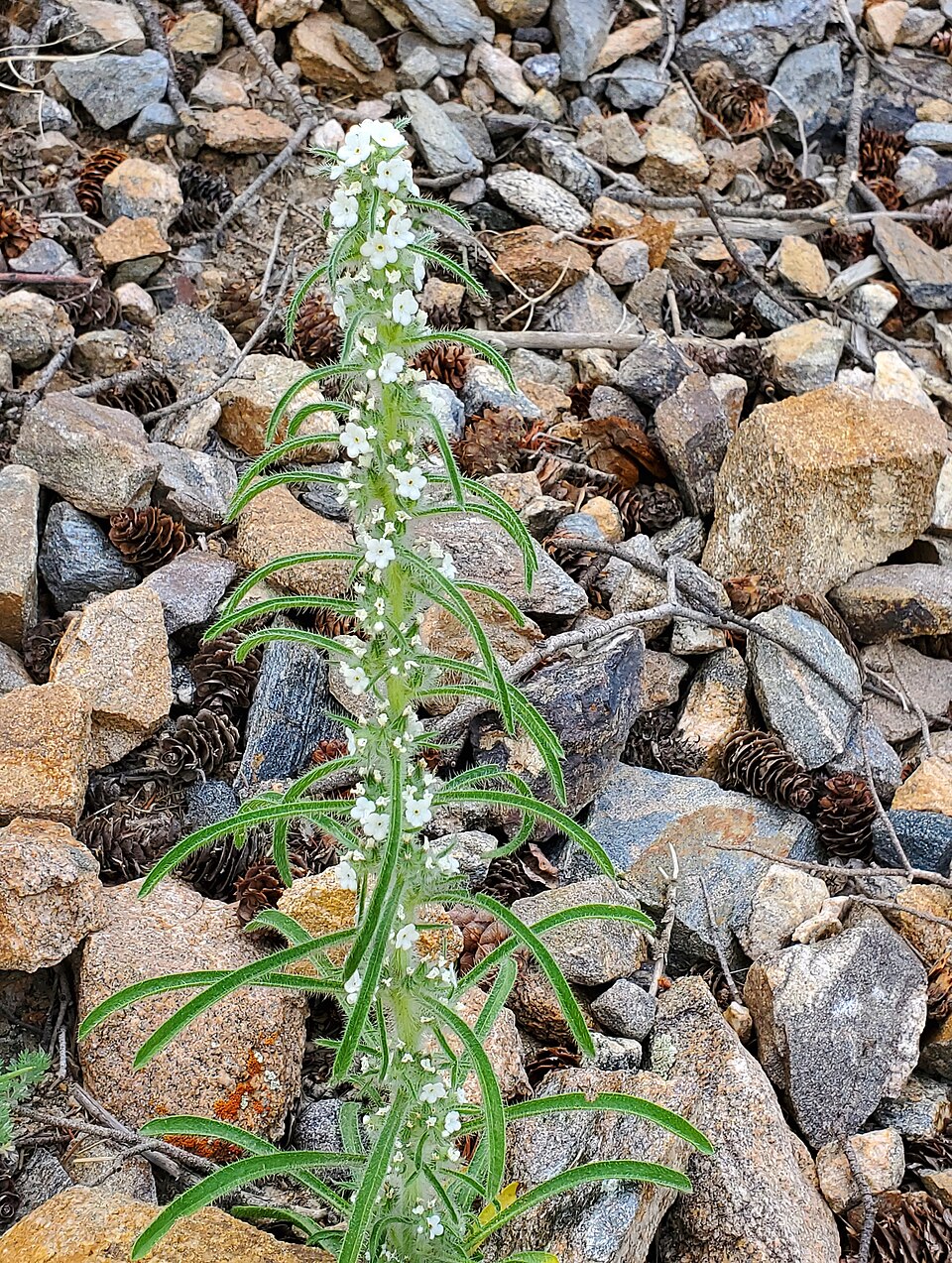
Oreocarya is a genus of about 60 bristly perennials and biennials in the borage family (Boraginaceae), native to the arid and montane regions of western North America. The plants were formerly placed in Cryptantha and are sometimes still listed there. Most form low basal rosettes or cushions of narrow leaves clothed in stiff, often silvery hairs, above a deep taproot, and send up flowering stems 5-40 cm (2-16 in) tall. From late spring into summer they carry dense clusters of small, white, occasionally yellow, forget-me-not-like flowers, each with a raised central eye marked in yellow or white. The bristly, greyish foliage and the rounded heads of white flowers are typical of the genus. Oreocarya grows on dry, rocky, gravelly, and often limey soils in sagebrush steppe, desert, and mountain habitats, and is highly drought tolerant once established. The deep taproot makes the plants hard to transplant and short-lived in rich or wet ground. Most species are grown by rock and alpine gardeners from seed rather than from divisions.
Native Range
Oreocarya is native to western North America, ranging across the Great Basin, Rocky Mountains, Colorado Plateau, and adjacent deserts of the United States and into Mexico. Species grow on dry, open, often rocky or sandy ground.Suggested Uses
Oreocarya species are grown by specialists in rock gardens, troughs, gravel beds, and dryland and native plantings, where the silvery cushions and white flower heads suit lean, sunny sites. They pair with other taprooted dryland perennials on sharply drained ground. Seed-grown plants are used to add early-summer bloom to alpine and steppe collections.How to Identify
Appearance
Size & Dimensions
Height2" - 1'4"
Width/Spread4" - 1'
Bloom Information
Flowering comes in a single flush from late spring into summer, when the white flower heads rise above the grey rosettes. Bloom lasts a few weeks and draws bees and other small pollinators. After seeding, many species die back to the rootstock or, in biennial kinds, die outright.
Detailed Descriptions
Flower Description
white, sometimes yellow, with a yellow eyeFoliage Description
grey-green, silvery-hairyGrowing Conditions
Sun Requirements
Requires 6-12 hours of direct sunlight daily
• Full Sun: 6+ hours of direct sunlight
• Partial Shade: 3-6 hours of direct sunlight
• Full Shade: Less than 3 hours of direct sunlight
Water & Climate
Water Needs
Drought Tolerance
Drought tolerant when established
Care & Maintenance
Care Guide
Plants grow in full sun on lean, sharply drained gravelly or sandy soil, often over limestone, at a pH of 6.0-8.0. Once established they tolerate heat, cold, and severe drought and need no summer water in most climates. Wet, rich, or poorly drained soil quickly kills them through crown and root rot. The deep taproot does not transplant well, so plants are raised from seed and set out young rather than moved later. Little or no feeding is needed.Pruning
No pruning is required beyond removing spent flower stems if self-seeding is not wanted. Dead leaves are cleared from the rosette to reduce rot in damp spells. Plants are otherwise left undisturbed.Container Growing
Suitable for container growing
Minimum container size: 1 gallons