Image 1 of 19
1 / 19
Plant Reference
Brunnera, Genus, macrophylla, Species,
- Genus & species
perennial forget-me-not
Caucasus region of northern Turkey, Georgia, Armenia, Azerbaijan, and southern Russia; grows wild in moist mountain forests and subalpine meadows at mid elevations in consistently moist shaded habitat
Overview
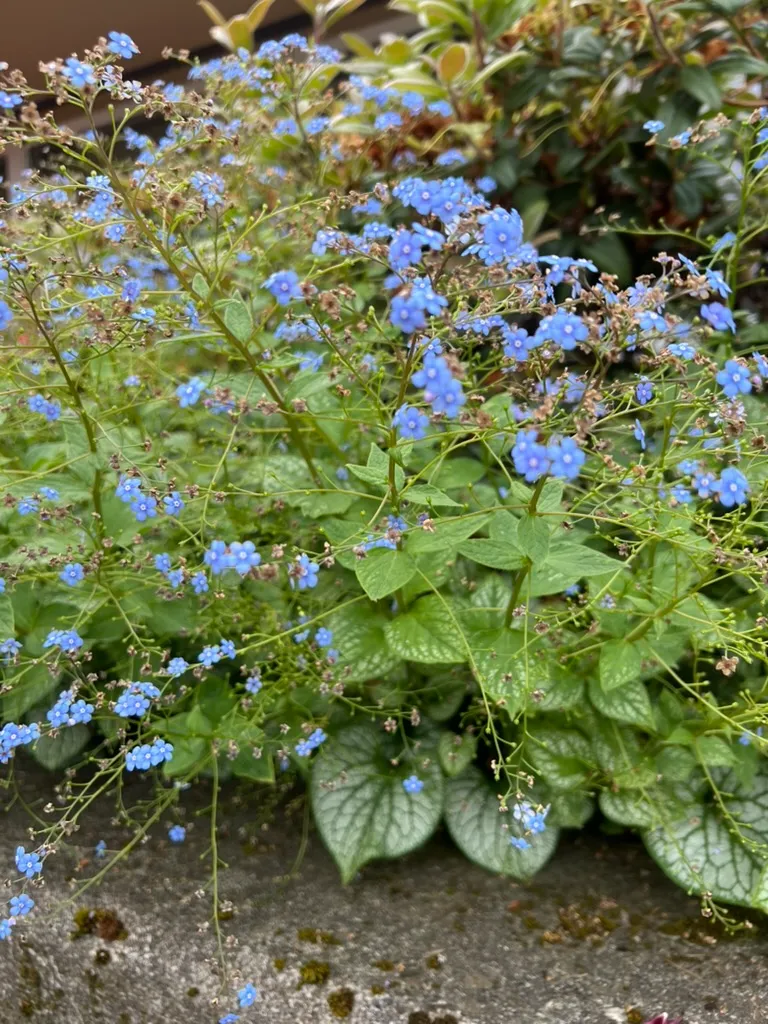
Brunnera macrophylla is a spreading deciduous perennial in the family Boraginaceae native to the Caucasus region of northern Turkey, Georgia, and southern Russia, reaching 12-18 inches (30-45 cm) tall and 18-24 inches (45-60 cm) wide at maturity. The species name macrophylla means large-leaved and refers to the 3-6 inch (7-15 cm) heart-shaped leaves that are the primary ornamental feature of the plant, which grow substantially larger than the small leaves of true forget-me-not (Myosotis). Leaves are simple, heart-shaped, and rough-hairy on both surfaces with deeply impressed veins, and all cultivated silver-leaved selections derive from the same basic species type. Loose airy sprays of bright blue flowers 0.3 inch (8 mm) across with small white eyes are held above the foliage during April and May for approximately 7 weeks of bloom — the flower form resembles true forget-me-not closely enough that the plant is sold under the common name perennial forget-me-not in most nursery catalogs, and the combination of the familiar blue forget-me-not flower with a long-lived perennial habit is the original reason for the cultivation of the species. The foliage carries the plant's secondary season of interest through summer and fall after the bloom ends, and the silver-leaved cultivars 'Jack Frost' (silver background with bright green veining, released 2000) and 'Looking Glass' (near-complete silver coverage with minimal green veining, released 2005) have expanded the design role of the species into foliage-focused shade plantings where the bright silver illuminates dark shaded positions from a distance. Silver-leaved cultivars must be propagated by division rather than seed, because seed-grown progeny of silver cultivars revert to the dark green species type and the silver foliage trait is not passed through the seed; removal of green self-sown seedlings around silver parent plants is a routine spring maintenance task to keep silver plantings consistent. The species is not drought-tolerant, and leaf scorch develops on the large leaves in dry conditions or in hot afternoon sun, which is the primary cultivation limitation. Morning sun with afternoon shade or consistent shade throughout the day is the working site for healthy foliage through summer, and plantings in drier or sunnier positions require either supplemental irrigation or acceptance of mid-summer scorched foliage followed by regeneration from the crown. Deer resistance is strong because of the rough-hairy leaf surface. The species is non-toxic to humans and pets.
Native Range
Brunnera macrophylla is native to the Caucasus region of northern Turkey, Georgia, Armenia, Azerbaijan, and southern Russia, where it grows wild in moist mountain forests and subalpine meadows at mid elevations. The native habitat carries consistent moisture, partly shaded conditions from a deciduous tree canopy, and cool summers — site conditions that match its cultivation preferences in Western gardens. The species was introduced to European horticulture in the 19th century and has been a standard shade perennial in Western temperate gardens since that time. The breakthrough silver-leaved cultivar 'Jack Frost' was developed by Walters Gardens in Michigan and released in 2000, and the silver foliage cultivars introduced since then have expanded both the design role and the commercial demand for the species.Suggested Uses
Planted as a shade ground cover, woodland garden component, shade border plant, and container specimen in 3 gallon (11 L) or larger pots at 18-24 inch (45-60 cm) spacing in zones 3-8. The spring blue flowers combined with the season-long foliage display make the species a dual-interest shade plant, and the silver-leaved cultivars 'Jack Frost' and 'Looking Glass' have expanded the design role of the species from a spring-interest bloomer into a foliage feature that illuminates dark shaded positions from a distance through the full growing season. Combined with Hosta, Astilbe, ferns, and Heuchera in mixed shade borders where all species share the same moist shaded site conditions. Silver-leaved Brunnera is a working companion for blue and purple-flowered shade perennials like Pulmonaria, Ajuga, and spring Mertensia virginica. Not suited to dry or sunny positions where leaf scorch becomes recurring through summer, formal borders where the self-sowing habit (on the species type and on silver cultivars with green revertants) creates unwanted seedlings, or alkaline soils above pH 7.0 where growth and flowering deteriorate.How to Identify
Appearance
Size & Dimensions
Height1' - 1'6"
Width/Spread1'6" - 2'
Colors
Bloom Information
Bright blue flowers 0.3 inch (8 mm) across with small white eyes open in loose airy sprays held above the foliage during April and May in zones 3-8, lasting approximately 7 weeks of bloom. Flowers carry no fragrance and are bee-pollinated. The species type self-sows modestly from seed; silver-leaved cultivars should not be allowed to self-sow because the seedlings revert to dark green and gradually dilute a silver planting. Deadheading spent flower sprays after bloom is optional — the seed heads are small and inconspicuous and do not need removal for appearance.
Detailed Descriptions
Flower Description
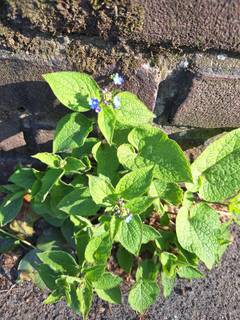
bright blue with a small white eye; individual flowers 0.3 inch (8 mm) across borne in loose airy sprays held above the foliage in mid to late spring; the flowers resemble true forget-me-not (Myosotis) but are carried on a long-lived perennial rather than a short-lived biennialFoliage Description
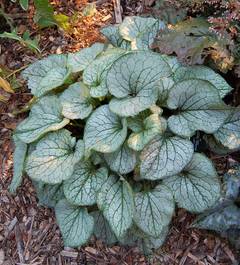
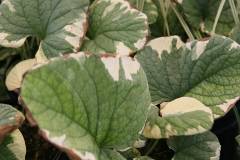
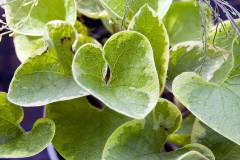
dark green on the species type, simple, heart-shaped, 3-6 inches (7-15 cm) across, rough-hairy on both surfaces with deeply impressed veins; the cultivar 'Jack Frost' carries silver-frosted leaves with green veins and is the widely grown form sold through mainstream nurseries; the cultivar 'Looking Glass' carries leaves with near-complete silver coverage and minimal green veiningGrowing Conditions
Sun Requirements
Requires 1-4 hours of direct sunlight daily
• Full Sun: 6+ hours of direct sunlight
• Partial Shade: 3-6 hours of direct sunlight
• Full Shade: Less than 3 hours of direct sunlight
Care & Maintenance
Care Guide
Plant in moist humus-rich soil with a pH of 5.5-7.0 in part shade to full shade (1-4 hours of sun). Morning sun with afternoon shade or consistent shade throughout the day is the working site for healthy foliage through summer. The species is not drought-tolerant and leaf scorch develops on the large leaves in dry conditions or in hot afternoon sun — this moisture and shade requirement is the primary cultivation limitation, and plantings in drier or sunnier positions require supplemental irrigation or acceptance of mid-summer scorched foliage followed by regeneration from the crown. Silver-leaved cultivars ('Jack Frost', 'Looking Glass') must be propagated by division in spring or fall rather than by seed, because silver cultivar progeny revert to dark green from seed and the silver trait does not pass through the seed stage; green self-sown seedlings appearing near silver parent plants are removed during routine spring maintenance to keep silver plantings consistent. Spent foliage is cut back to the crown in late fall (October) or early spring (March) before new growth emerges. Division of clumps every 3-4 years maintains vigor and propagates new plants. Deer browse is rare because of the rough-hairy leaf surface. Non-toxic to humans and pets.Pruning
Spent flower stems are cut to the base after bloom ends in late May or early June, though this step is optional and the seed heads are inconspicuous enough to leave in place if wanted. Tattered or scorched foliage is removed in mid-summer as it develops, and new foliage follows from the crown if the plant is kept consistently moist through the regeneration period. All foliage is cut to ground level in late fall (October) after it has browned, or alternatively in early spring (March) before new growth emerges. Clumps are divided in spring or fall every 3-4 years by digging and splitting the crown with a sharp spade.Pruning Schedule
Prune: March & October
early springfall
Container Growing
Suitable for container growing
Minimum container size: 3 gallons