Iris, Genus, germanica, Species, 'Oreo', Cultivar,
- Genus & species
- Cultivar
Oreo bearded iris
Garden origin (parent species native to Mediterranean basin and Caucasus)
Overview
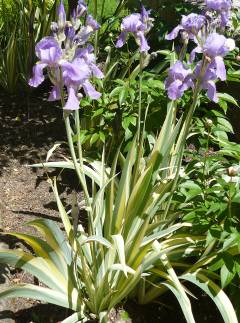
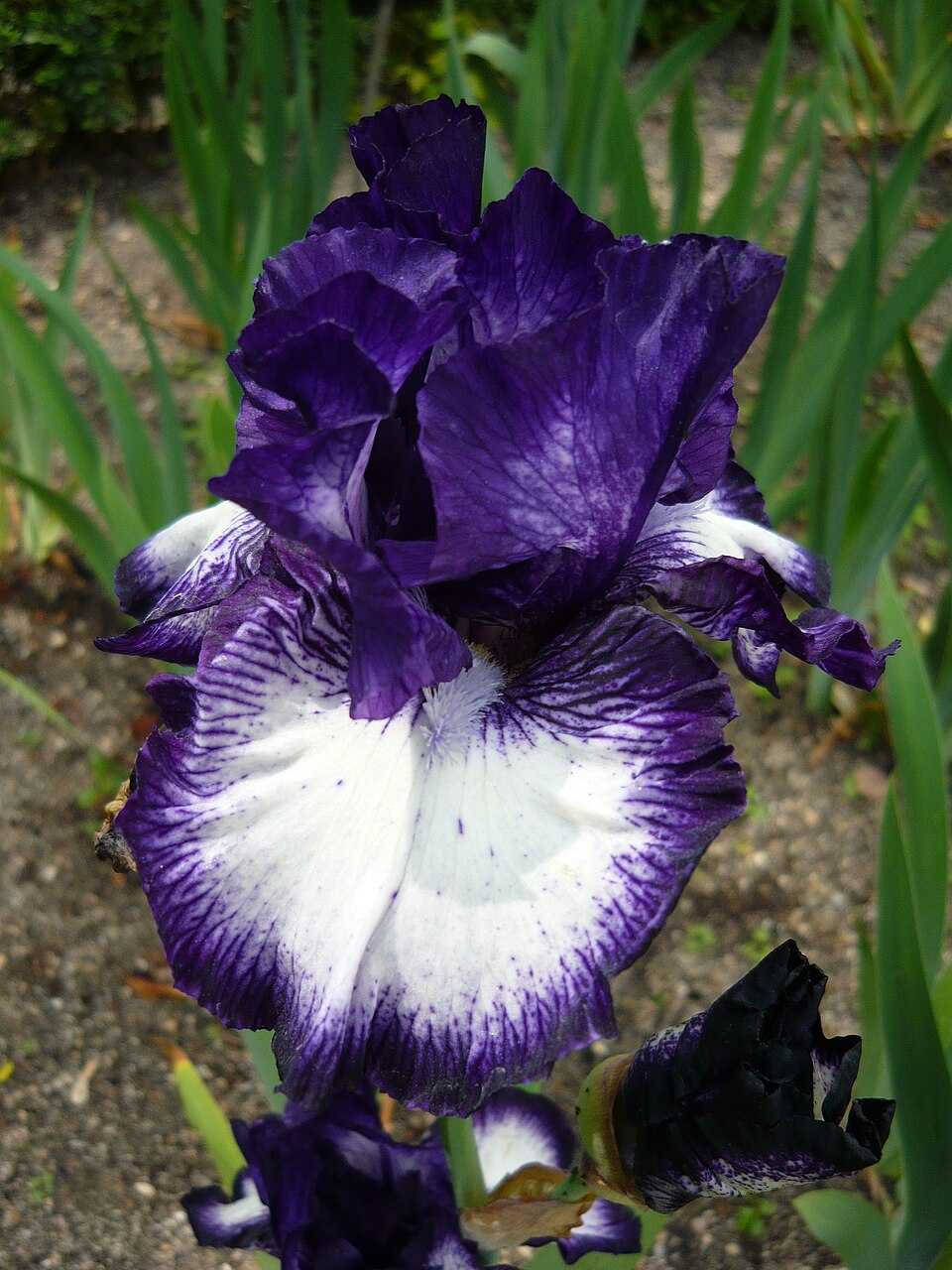
Iris germanica 'Oreo' is a rhizomatous perennial in the tall bearded iris class, reaching 32-36 inches (81-91 cm) tall in flower with sword-shaped basal foliage 18-24 inches (45-60 cm) tall in fans 12-18 inches (30-45 cm) wide. Foliage is gray-green and semi-evergreen in zones 7-9, dying back to short ground-level fans in zones 3-6. Flower stalks branch 2-3 times and carry 6-9 buds. Flowers measure 5-6 inches (13-15 cm) across in a strongly contrasting bicolor pattern: white standards above deep purple-black falls; beards run golden-orange to bronze on the upper third of each fall. Each flower lasts 2-3 days; sequence bloom from a single stalk extends 10-14 days. Rhizomes spread laterally at the soil surface, expanding the clump diameter by approximately 4-6 inches (10-15 cm) per year. Iris borer (Macronoctua onusta) is the principal pest in eastern North America, tunneling into rhizomes from late spring through summer; bacterial soft rot follows borer damage in wet conditions. Foliage develops leaf spot in humid summers; affected leaves can be removed at the base. Clumps congest after 3-4 years; division every 3-4 years restores bloom. The cultivar is once-blooming and does not rebloom.
Native Range
Garden origin. Tall bearded iris hybrids derive from Iris germanica, I. pallida, and other Mediterranean and southwestern Asian species, with parental species native to the Mediterranean basin, the Balkans, and the Caucasus, in dry rocky meadows and limestone outcrops at elevations from sea level to 6,500 feet (2,000 m).Suggested Uses
Used in mixed perennial borders at 12-18 inch (30-45 cm) spacing between rhizomes, in dedicated iris beds with division access, and as cut flowers (vase life 3-5 days). Strong color contrast reads at distance, so the cultivar is commonly placed at the front or middle of borders against light-foliaged backdrops. Container culture is possible in pots of at least 3 gallons (11 L) with low-nitrogen mix and full drainage.How to Identify
Appearance
Size & Dimensions
Height2'8" - 3'
Width/Spread1' - 1'6"
Colors
Bloom Information
Mid to late spring in zones 4-7, typically May into early June. In zones 8-9, bloom occurs in April. Each flower lasts 2-3 days; total clump bloom extends 10-14 days from a single stalk. The cultivar is once-blooming and does not produce a fall flush.
Detailed Descriptions
Flower Description
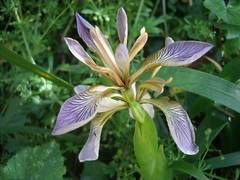
White standards above deep purple-black falls; golden-orange to bronze beardsFoliage Description
Gray-greenGrowing Conditions
Sun Requirements
Requires 6-8 hours of direct sunlight daily
• Full Sun: 6+ hours of direct sunlight
• Partial Shade: 3-6 hours of direct sunlight
• Full Shade: Less than 3 hours of direct sunlight
Care & Maintenance
Care Guide
Rhizomes are planted with the upper surface exposed to sunlight, half-buried in well-drained soil; deep planting causes rot. Newly planted rhizomes benefit from weekly water during the first 6-8 weeks; established plants tolerate 3-4 weeks without rain in summer. Spring-applied low-nitrogen fertilizer (5-10-10) at 2 ounces per square yard (60 g per square meter) supports rhizome growth without promoting soft rot. Iris borer eggs overwinter on dead foliage, so removal of old leaves in late fall reduces overwintering populations. Bacterial soft rot (Erwinia carotovora) develops in waterlogged soil and after borer damage; affected rhizomes can be cut out with a clean knife and the wound dusted with sulfur. Division every 3-4 years in mid to late summer restores flowering when bloom count decreases.Pruning
Flower stalks are cut at the base after all buds have opened. Daily removal of spent flowers maintains a clean appearance but does not extend total bloom duration. All foliage is cut to 4-6 inches (10-15 cm) above the rhizome in late fall to remove iris borer egg sites. Brown leaf tips can be trimmed during the growing season for cosmetic appearance without affecting plant health.Pruning Schedule
Prune: July–August & November
fallsummer
Container Growing
Suitable for container growing
Minimum container size: 3 gallons