Nepeta, Genus, spp., Multiple species,
- Genus
- Multiple species
catmints
Europe, Asia, and North Africa, centered in the Mediterranean and southwest Asia
Overview
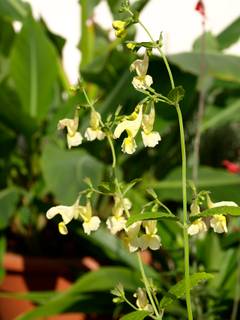
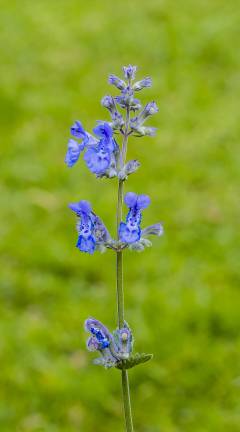
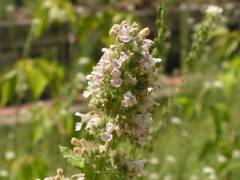
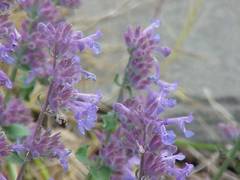
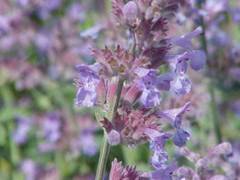
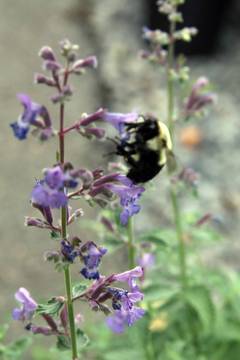
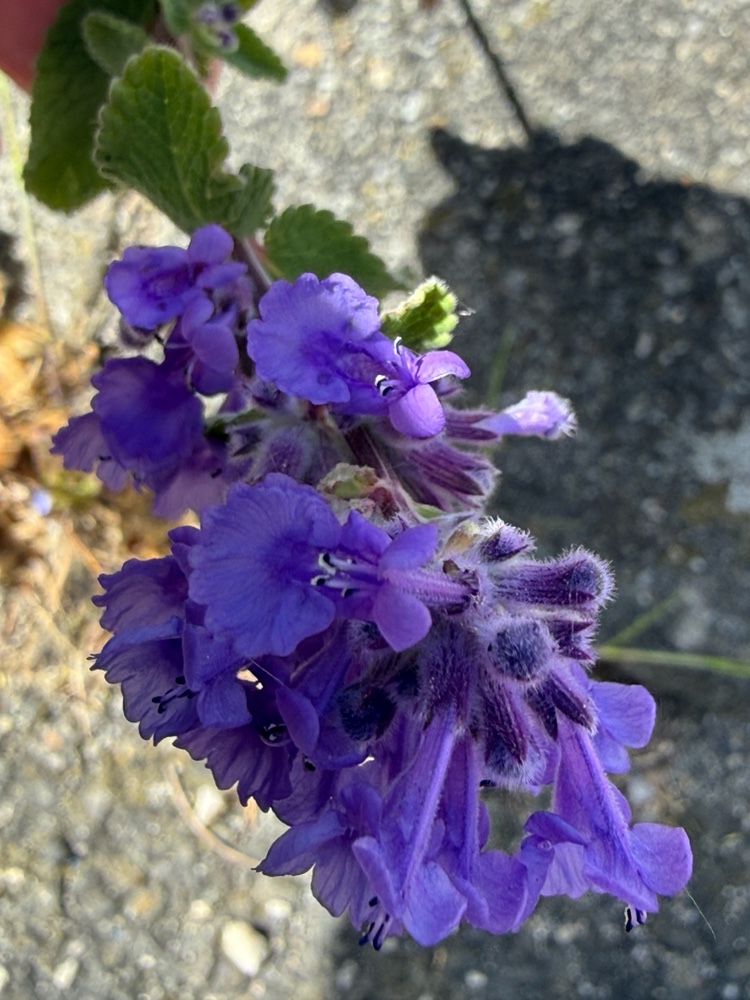
Nepeta is a genus of about 250 species of aromatic perennials and a few annuals in the mint family (Lamiaceae), the catmints, native across Europe, Asia, and North Africa. Garden species form mounds of branching square stems 1 to 3 ft (30 to 90 cm) tall and wide, clothed in opposite, gray-green, scalloped leaves that release a minty scent when bruised. Slender spikes of small two-lipped flowers, mostly lavender-blue but also white or pink, open from late spring through summer, with repeat bloom after shearing. N. cataria, catnip, contains the compound nepetalactone, which excites many domestic cats and repels some insects. Ornamental hybrids such as N. × faassenii are sterile or nearly so, bloom over a long season, and stay more compact than the species. The foliage and flowers draw bees, butterflies, and hummingbirds, while the strong scent makes the plants resistant to deer and rabbits. Most species tolerate drought, poor soil, and heat once established, though they can flop open in rich ground or shade. Plants die back over winter and resprout from the crown in spring.
Native Range
Nepeta is native to Europe, temperate Asia, and North Africa, with the greatest diversity around the Mediterranean and in southwest and central Asia. Several species, including N. cataria, have naturalized widely in North America after introduction as herbs and garden plants.Suggested Uses
Nepeta grows in sunny borders, edging, gravel and dry gardens, and along paths where the aromatic foliage is brushed in passing. Low mounding hybrids are planted as a soft edging or groundcover at 18-24 in (45-60 cm) spacing, and the long bloom suits pollinator and cottage plantings. N. cataria is grown in herb gardens for its leaves and for its effect on cats.How to Identify
Appearance
Size & Dimensions
Height1' - 3'
Width/Spread1' - 3'
Bloom Information
Flowering begins in late spring and continues through summer, roughly May to August, often with a second flush into autumn if the plants are sheared after the first bloom. The lavender-blue spikes hold for many weeks and draw steady visits from bees and butterflies. Hummingbirds work the tubular flowers of some species.
Detailed Descriptions
Flower Description
lavender-blue, also white or pinkFoliage Description
green to gray-greenGrowing Conditions
Sun Requirements
Requires 6-10 hours of direct sunlight daily
• Full Sun: 6+ hours of direct sunlight
• Partial Shade: 3-6 hours of direct sunlight
• Full Shade: Less than 3 hours of direct sunlight
Care & Maintenance
Care Guide
Nepeta grows in full sun and well-drained soil of low to average fertility at a pH of about 6.0 to 8.0. The genus tolerates drought, heat, and poor or chalky soil once established and needs little water in summer. Rich soil and shade cause the stems to flop open at the center, so lean conditions keep the mounds tighter. Shearing the plants by one-third to one-half after the first bloom removes spent flowers and brings a fresh flush. Most catmints are hardy in USDA zones 3-8 and die back to the crown each winter. Few pests trouble the genus, and the aromatic foliage is passed over by deer and rabbits.Pruning
Shear Nepeta by one-third to one-half after the first flush of bloom to bring a second flush and keep the mound dense. Cut the whole plant back to the basal growth in late autumn or early spring once the top dies down. Light trimming through summer removes spent spikes and limits self-seeding in fertile species.Pruning Schedule
Prune: June & November
summerfall
Container Growing
Suitable for container growing
Minimum container size: 2 gallons