Nepeta, Genus, racemosa, Species, 'Walker's Low', Cultivar,
- Genus & species
- Cultivar
Walker's low catmint
Species range covers the Caucasus, northern Iran, and southwestern Asia; the cultivar 'Walker's Low' is a garden selection of UK origin named for Walker's Low garden in Dublin, Ireland.
Overview
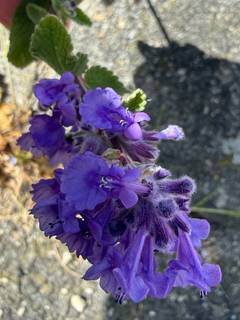
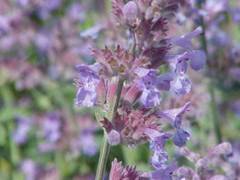
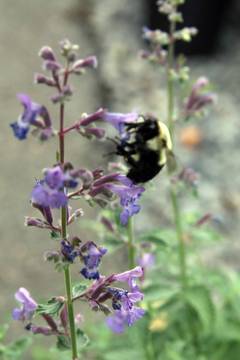
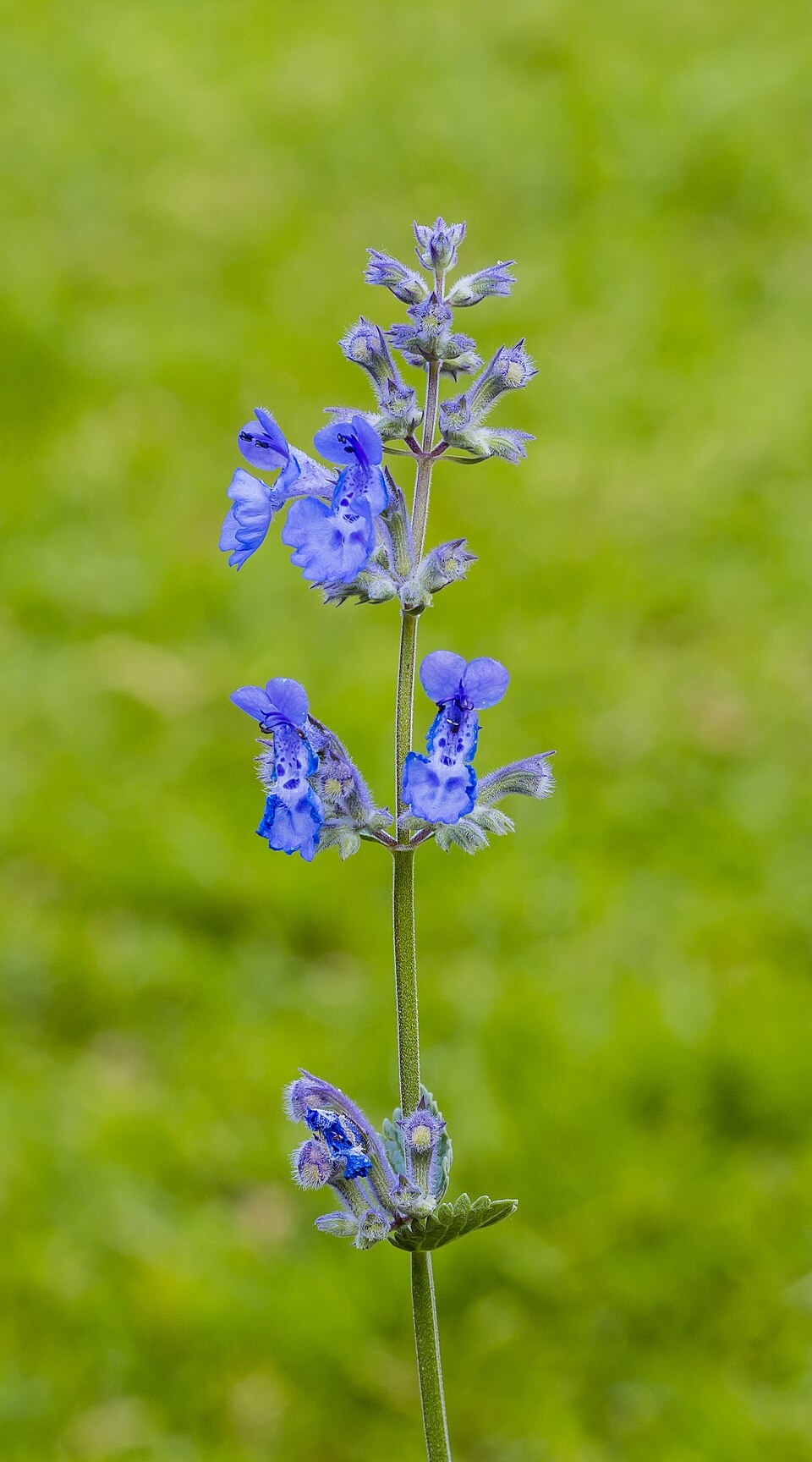
Nepeta racemosa 'Walker's Low' is a deciduous perennial forming a mounding gray-green clump 18-24 inches (45-60 cm) tall and 24-36 inches (60-90 cm) wide on square aromatic stems. Foliage is oval to heart-shaped with scalloped margins, 1-1.5 inches (2.5-4 cm) long, and releases a mint-family scent when crushed. Dense terminal racemes carry small two-lipped tubular lavender-blue flowers approximately 0.3 inch (8 mm) long from late May through June. Cutting the whole plant back by one-half in late July induces a second full flush of bloom in August and September, producing a total bloom span of 16-18 weeks across the season. Without the midsummer cutback, stems sprawl open and flowering tapers to occasional spikes. Hardy in USDA zones 3-8 (-40°F / -40°C). The name refers to Walker's Low, a garden in Dublin, Ireland, not a person. This species is a separate plant from N. cataria (true catnip), which has weedier upright habit and coarser foliage. The foliage contains nepetalactone, a compound that attracts domestic cats; plants can be rolled on and flattened in gardens with regular cat access.
Native Range
Nepeta racemosa is native to the Caucasus, northern Iran, and southwestern Asia, where it grows on dry rocky slopes and grasslands. The cultivar 'Walker's Low' is a garden selection of UK origin, named for a garden in Dublin, Ireland.Suggested Uses
Planted as edging, mid-border filler, groundcover on sunny banks, and in containers of 3 gallons (11 L) or more at 24-36 inch (60-90 cm) spacing in USDA zones 3-8. The multi-month bloom and aromatic gray-green foliage suit pollinator borders, cottage gardens, and xeriscape plantings. Cats with outdoor access can flatten plantings in the first season. Not grown in deep shade, heavy clay, or consistently wet soils, where stems flop and bloom density drops.How to Identify
Appearance
Size & Dimensions
Height1'6" - 2'
Width/Spread2' - 3'
Bloom Information
Dense terminal racemes carry lavender-blue two-lipped tubular flowers approximately 0.3 inch (8 mm) long from late May through June in the first flush, with individual racemes remaining showy for 3-4 weeks. Cutting the whole plant back by one-half immediately after the first flush, in late July, induces a second flush of bloom in August-September. Across the season with the midsummer cutback, total bloom spans 16-18 weeks; without the cutback, bloom density drops and stems sprawl open by midsummer.
Detailed Descriptions
Flower Description
Lavender-blue two-lipped tubular flowers approximately 0.3 inch (8 mm) long in dense terminal racemes; May-September with midsummer cutbackFoliage Description
Gray-green, oval to heart-shaped with scalloped margins, 1-1.5 inches (2.5-4 cm), aromatic when crushedGrowing Conditions
Sun Requirements
Requires 4-10 hours of direct sunlight daily
• Full Sun: 6+ hours of direct sunlight
• Partial Shade: 3-6 hours of direct sunlight
• Full Shade: Less than 3 hours of direct sunlight
Care & Maintenance
Care Guide
Plants grow in full sun to light shade in lean, well-drained soil with a pH of 6.0-7.5, including chalk and rocky ground. Hardy in USDA zones 3-8 (-40°F / -40°C). Drought tolerant once established; supplemental water is only needed during the first growing season. In rich or consistently moist soils, plants flop, flower less densely, and are shorter-lived. Cutting the plant back by one-half in late July induces a reliable second flush of bloom. Foliage contains nepetalactone and attracts domestic cats, which may roll on and flatten the plants; caging young plants for the first season reduces damage. Divide congested clumps every 3-4 years in early spring.Pruning
Cut the plant back by one-half in late July, immediately after the first flush, to induce a second flush of bloom in August-September. Cut all stems to 3-4 inches (7-10 cm) above ground in late fall after frost blackens the foliage, or in early spring before new growth begins. Divide congested clumps every 3-4 years in early spring.Pruning Schedule
Prune: March, July & October
summerfallearly spring
Container Growing
Suitable for container growing
Minimum container size: 3 gallons