Nepeta, Genus, cataria, Species,
- Genus & species
catnip
Europe, western Asia, central Asia (native); widely naturalized across temperate North America
Overview
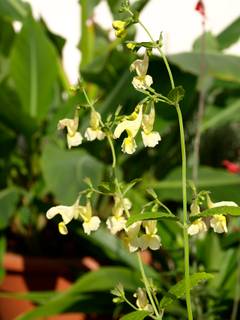
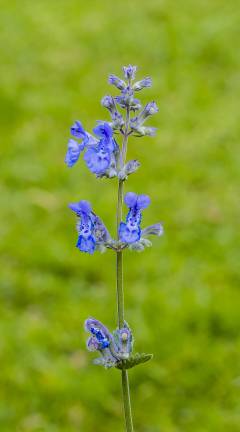
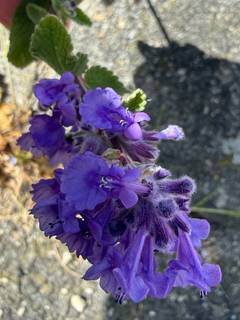
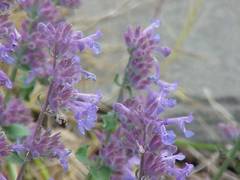
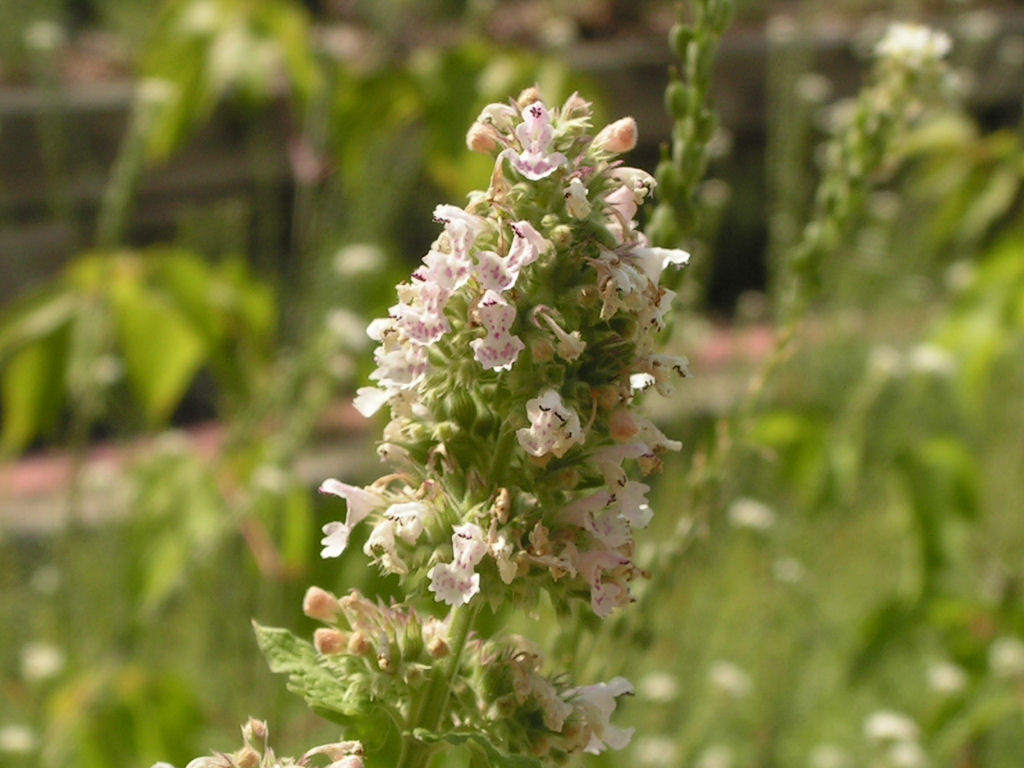
Nepeta cataria is an erect bushy short-lived perennial herb in the mint family (Lamiaceae) reaching 18–36 inches (45–90 cm) tall and 18–24 inches (45–60 cm) wide. Stems are square, erect, branching, downy-hairy, gray-green. Leaves are opposite, ovate to triangular, 1–3 inches (2.5–8 cm) long, gray-green, downy-hairy on both surfaces, with coarsely toothed margins and a cordate (heart-shaped) base. The foliage carries a faint mint-like scent to humans but contains nepetalactone, a terpenoid that triggers a strong behavioral response (rolling, rubbing, vocalization) in approximately 50–70% of domestic cats. Flowers are white with small purple spots, 0.3–0.5 inch (8–12 mm) long, tubular, two-lipped, in dense terminal spikes and upper axillary whorls. The species self-sows freely; deadheading prevents unwanted spread. Less aggressive than Mentha species — it spreads by seed rather than stolons. Naturalized along roadsides and waste ground throughout temperate North America. In garden settings, cat damage (rolling on plants, breaking stems) is the primary management challenge.
Native Range
Nepeta cataria is native to Europe, western Asia, and central Asia, occurring in hedgerows, waste ground, and roadsides. The species is widely naturalized across temperate North America and is common on roadsides and waste ground in the Pacific Northwest.Suggested Uses
Planted in herb gardens, balcony containers, and medicinal herb collections. Dried leaves are used in herbal tea (calming, mild sedative). Fresh or dried leaves are used in cat toys and enrichment. The nepetalactone chemistry and cat behavioral response are studied in animal behavior and phytochemistry. The species is also a mosquito repellent — nepetalactone is approximately 10 times more potent than DEET in laboratory studies. Separated from ornamental catmints in the Lamiaceae identification curriculum.How to Identify
Appearance
Size & Dimensions
Height1'6" - 3'
Width/Spread1'6" - 2'
Bloom Information
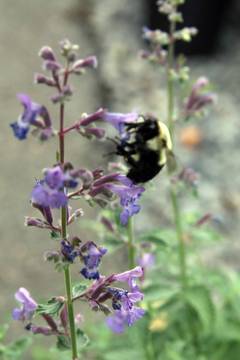
Flowers from June through September. Terminal spikes and upper axillary whorls bloom over 4–6 weeks. Pollination is by bees and butterflies. The species self-sows freely; spent flower spikes are removed before seed dispersal to prevent unwanted spread. The plant is cut back after first flowering to stimulate a second bloom flush.
Detailed Descriptions
Flower Description
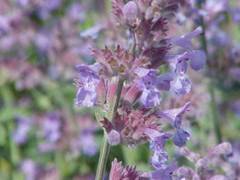
White with small purple spots; tubular two-lipped; 0.3–0.5 inch (8–12 mm) long; in dense terminal spikes and upper axillary whorlsFoliage Description
Gray-green; ovate to triangular with coarsely toothed margins; downy-hairy on both surfaces; faint mint-like scentGrowing Conditions
Sun Requirements
Requires 4-10 hours of direct sunlight daily
• Full Sun: 6+ hours of direct sunlight
• Partial Shade: 3-6 hours of direct sunlight
• Full Shade: Less than 3 hours of direct sunlight
Care & Maintenance
Care Guide
Plant divisions or nursery starts in spring, spacing 18 inches (45 cm) apart in well-drained soil. Full sun produces the most compact plants with the highest nepetalactone content. The species is drought-tolerant once established; overwatering causes lanky growth. Cut back to 4 inches (10 cm) after first flowering to stimulate compact regrowth and prevent self-sowing. In areas with outdoor cats, young plants are protected with wire cages until established because cats roll on and crush small plants. Container culture (3+ gallon) is practical for balcony herb gardens. The species is short-lived (3–5 years); some self-sowing or saved seed is useful for replacement.Pruning
Cut back to 4 inches (10 cm) after first flowering (July) to stimulate compact regrowth and a second bloom. Cut to ground level in late fall or early spring. Spent flower spikes are deadheaded to prevent self-sowing.Pruning Schedule
Prune: March–April & July
early springsummer
Container Growing
Suitable for container growing
Minimum container size: 3 gallons
Toxicity
Non-toxicPlanting Guide
Planting Methods & Timing
Planting Method
transplant
Indoor Start
8 weeks before last frost
Days to Maturity
90–120 days
Plant Spacing
18 inches