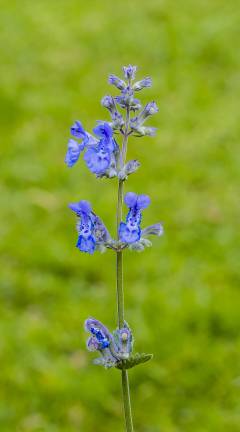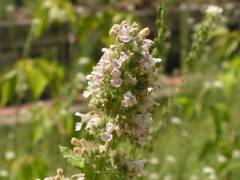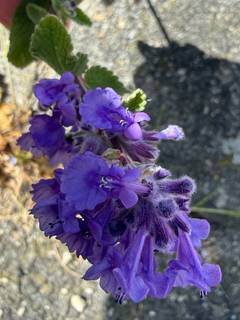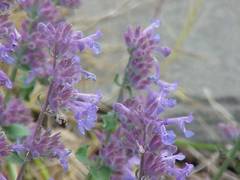
Nepeta, Genus, govaniana, Species,
- Genus & species
Govan's catmint
W Himalayas (Kashmir, N Pakistan, Nepal; moist alpine meadows and forest clearings; 6500-11500 ft / 2000-3500 m elevation)
Overview
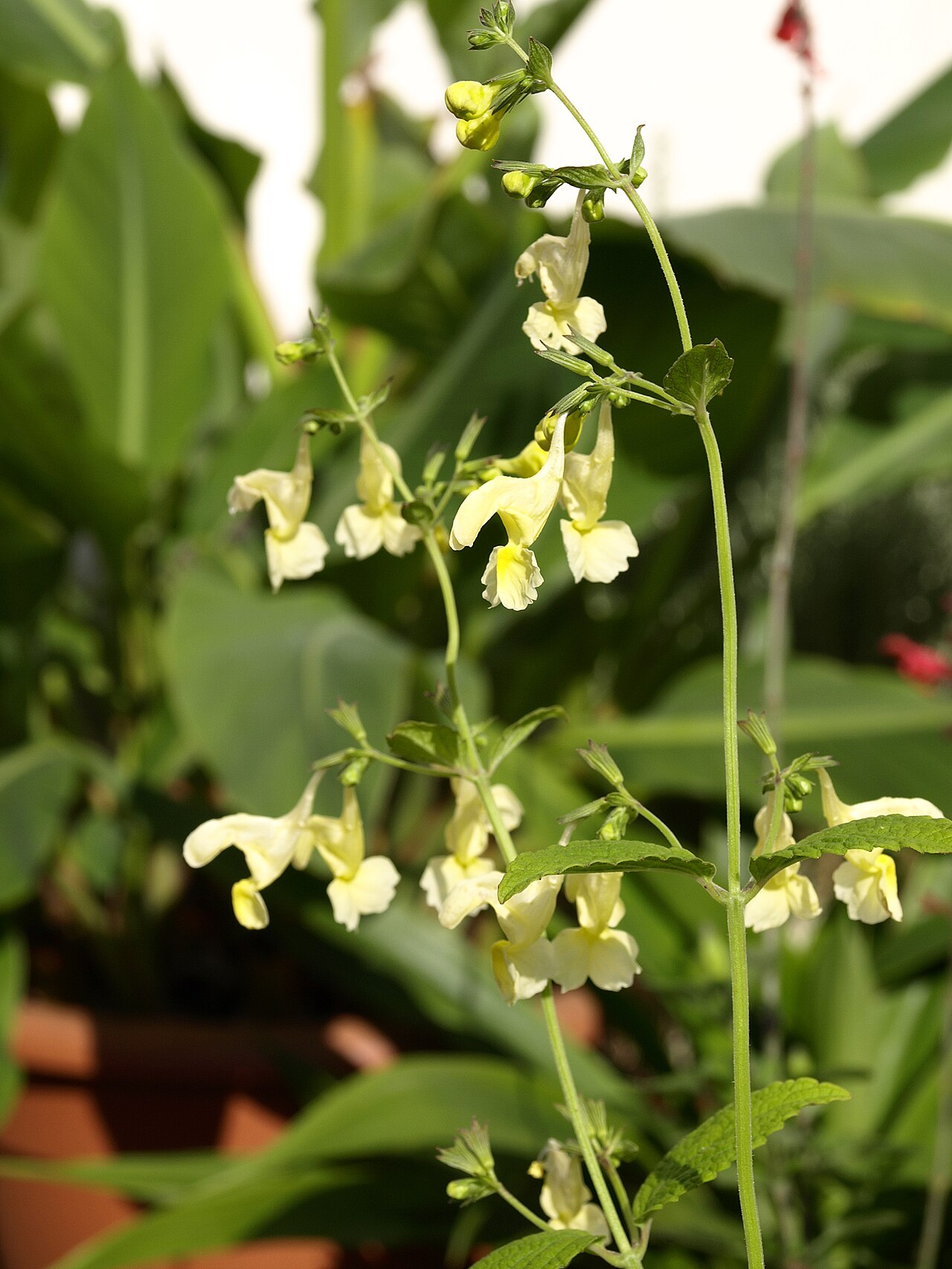
Nepeta govaniana is a clump-forming deciduous perennial reaching 2–3 feet (0.6–0.9 m) tall with a spread of 1.5–2 feet (45–60 cm) and an upright branching habit. Native to the western Himalayas (Kashmir through Nepal), this species runs atypical within the genus Nepeta because it carries pale yellow flowers—no other common catmint in horticultural trade bears yellow flowers; the rest of the genus ranges across blue, purple, lavender, and white tones. Opposite aromatic ovate-to-cordate leaves run 2–4 inches (5–10 cm) long, medium green in color, with scalloped leaf margins. Two-lipped tubular flowers run pale primrose-yellow at 0.5–0.8 inches (1.3–2 cm) long and open in loose interrupted terminal racemes across a long bloom window from July through September. Growth rate runs moderate. Hardy to zone 5. The species wants cooler moister conditions than the Mediterranean-origin catmints and does not handle heat or drought well—a sharp horticultural distinction from the N. × faassenii and N. racemosa cultivars that tolerate dry sunny positions. The yellow-flowered catmint for shade positions carries the species' primary horticultural identity.
Native Range
Nepeta govaniana is native to the western Himalayas across Kashmir, northern Pakistan, and Nepal, growing in moist alpine meadows and forest clearings at 6,500–11,500 feet (2,000–3,500 m) elevation. The high-altitude Himalayan origin translates in garden cultivation to a requirement for cool moist root conditions that most other Nepeta species do not share.Suggested Uses
Planted in shaded perennial borders, woodland-edge plantings, or moist garden settings at 18–24 inch (45–60 cm) spacing in zone-5-and-warmer gardens. The pale yellow flower color suits shaded moist positions where the blue-flowered catmints fail because those dry-garden species do not tolerate consistent soil moisture. No other common catmint bears yellow flowers, so the species fills a flower-color niche in the genus. Drought, full sun in hot climates, and dry soils are poor fits for the species. Mediterranean-climate dry gardens and hot exposed sites are poor fits because the species' Himalayan alpine origin demands cool moist root conditions.How to Identify
Appearance
Size & Dimensions
Height2' - 3'
Width/Spread1'6" - 2'
Bloom Information
Pale primrose-yellow two-lipped tubular flowers 0.5–0.8 inches (1.3–2 cm) long open in loose interrupted terminal racemes from July through September. The long bloom window runs 8–10 weeks across summer, and regular deadheading of spent flower racemes extends the bloom into early autumn by redirecting the plant's energy from seed-set to secondary flower-bud development.
Detailed Descriptions
Flower Description
Pale primrose-yellow; two-lipped tubular 0.5-0.8 inch; loose terminal racemes; July-SeptemberFoliage Description
Medium green; opposite ovate to cordate 2-4 inches; scalloped margins; aromatic when crushedGrowing Conditions
Sun Requirements
Requires 3-6 hours of direct sunlight daily
• Full Sun: 6+ hours of direct sunlight
• Partial Shade: 3-6 hours of direct sunlight
• Full Shade: Less than 3 hours of direct sunlight
Care & Maintenance
Care Guide
Partial shade in consistently moist humus-rich well-drained soil (pH 5.5–7.0) matches the species' cultivation needs. Hardy to zone 5 (−20°F / −29°C). Unlike most Nepeta species and hybrids in horticultural trade, this Himalayan species requires shade and consistent moisture—full sun in hot climates scorches the foliage and drought causes flowering to fail. Mulch maintains the cool moist root zone that the species wants through summer. The species does not spread aggressively and stays within its planted footprint across 2–3 growing seasons.Pruning
Spent flower racemes are deadheaded through the bloom window to encourage continued flowering. All stems are cut to ground level in late autumn after frost kills the foliage, or in early spring before new growth emerges from the crown.Pruning Schedule
Prune: March & November
early springfall
Container Growing
Suitable for container growing
Minimum container size: 3 gallons