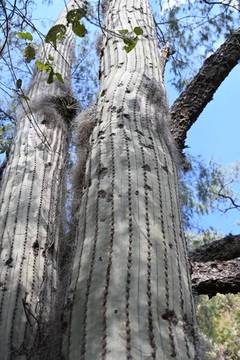
Mammillaria, Genus, spp., Multiple species,
- Genus
- Multiple species
pincushion cactuses
Mexico, with species in the southwestern United States and Central America
Overview
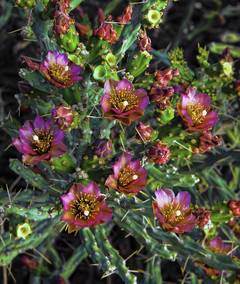
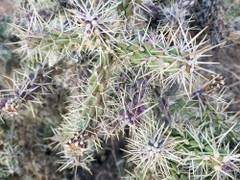
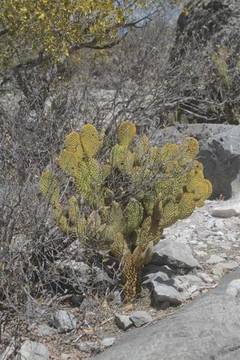
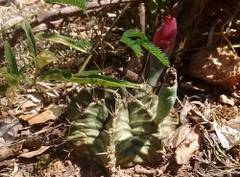
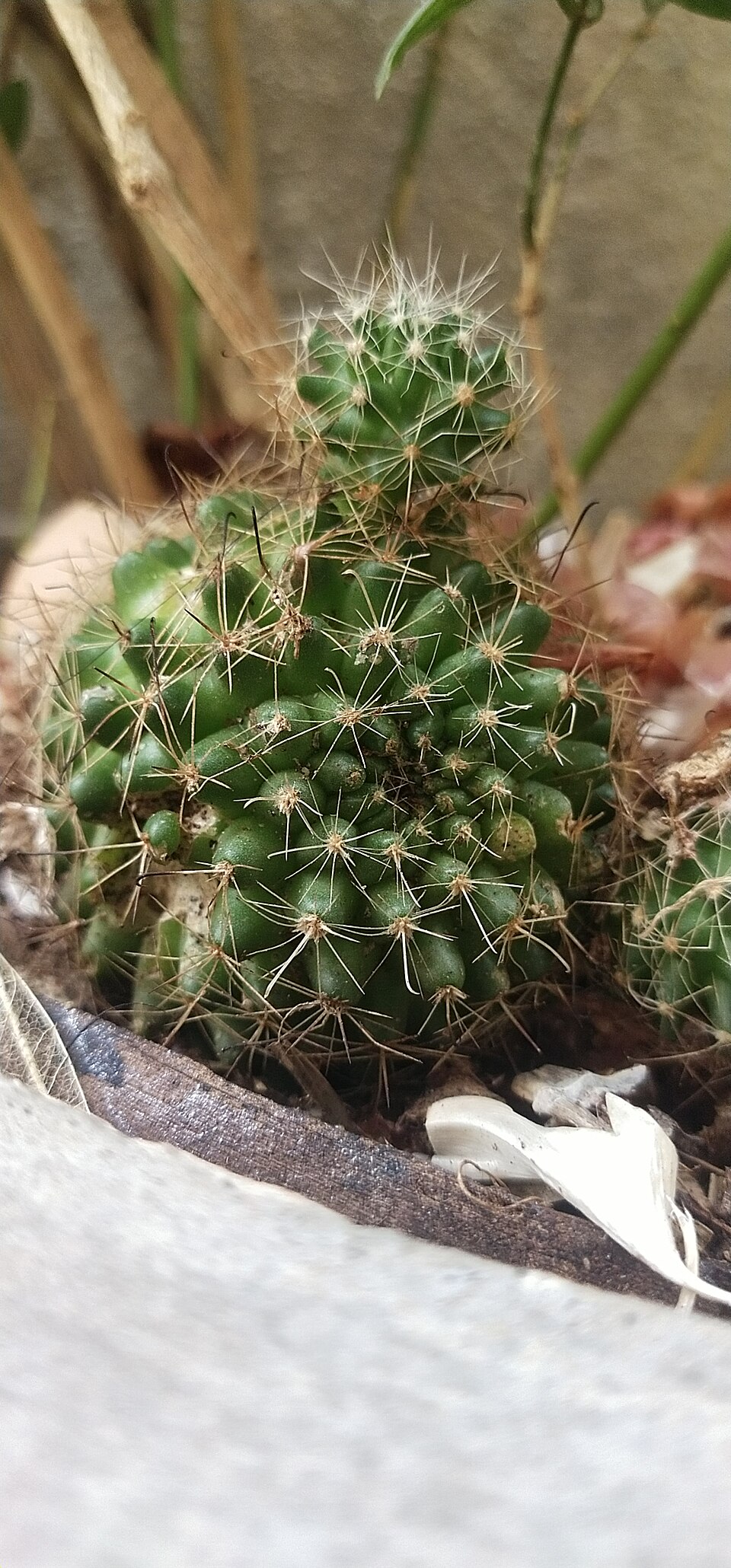
Mammillaria is a genus of about 200 species of small cacti in the family Cactaceae, most of them native to Mexico, with some reaching the southwestern United States, the Caribbean, and northern South America. Plants are globe-shaped to short-cylindrical, usually 1–12 inches (2.5–30 cm) tall, and many form clusters of offsets with age. The stem surface is covered in spirally arranged tubercles, or raised bumps, rather than the continuous ribs of many other cacti; spines grow from a felted areole at the tip of each tubercle, and in some species the central spines are hooked. Small funnel-shaped flowers open in a ring near the top of the stem, in shades of pink, white, yellow, and red, and are followed by club-shaped fruits that are often red. The genus stores water in its thick stems and withstands long dry spells, but the same tissue rots in cold, wet soil. Most species grow in arid and semi-arid scrub on well-drained ground. Plants grow slowly and many flower while still small, often within a few years from seed.
Native Range
Mammillaria is centred on Mexico, which holds most of the species, and extends north into the southwestern United States and south into parts of Central America, the Caribbean, and northern South America. Plants grow in deserts, dry scrub, and rocky slopes.Suggested Uses
Mammillaria species are grown as container and windowsill plants and in frost-free rock and desert gardens. Their small size suits dish gardens and collections of potted cacti. In mild, dry climates they are planted in raised, gritty beds and rockeries.How to Identify
Appearance
Size & Dimensions
Height1" - 1'
Width/Spread1" - 8"
Bloom Information
Flowering occurs mainly in spring and early summer, often triggered by lengthening days after a cool, dry winter rest. The small flowers open in a circle around the top of the stem over a period of days to weeks. Some species flower more than once in a season when watered through the warm months.
Detailed Descriptions
Flower Description
Pink, white, yellow, or redFoliage Description
Green stem; spines white to brownGrowing Conditions
Sun Requirements
Requires 6-12 hours of direct sunlight daily
• Full Sun: 6+ hours of direct sunlight
• Partial Shade: 3-6 hours of direct sunlight
• Full Shade: Less than 3 hours of direct sunlight
Care & Maintenance
Care Guide
Grow Mammillaria in full sun in gritty, sharply drained soil or a cactus mix, in containers or in frost-free desert gardens. Water during the warm growing season when the soil has dried, and keep plants nearly dry and cool through winter to support flowering. Most species are damaged by frost and are grown in pots that can be moved under cover, though a few tolerate light freezes in zones 9 to 11. Overwatering and poor drainage cause the stems to rot, the main cause of loss in cultivation. Strong light keeps the body compact and the spines well formed, while too little light produces weak, etiolated growth. A winter rest at cool temperatures and dry soil is needed for the spring flowers.Pruning
Mammillaria needs no pruning. Offsets can be detached to propagate new plants or to limit the spread of a clump. Shrivelled or rotted stems are cut away to stop decay spreading.Container Growing
Suitable for container growing
Minimum container size: 1 gallons