Overview
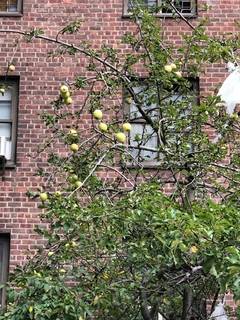
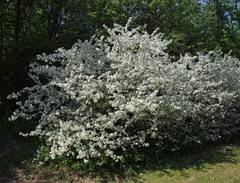
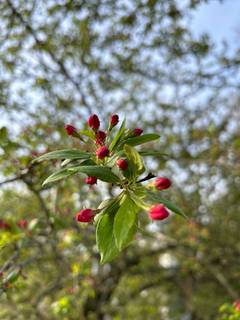
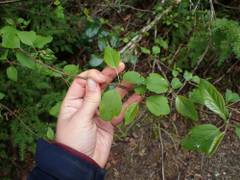
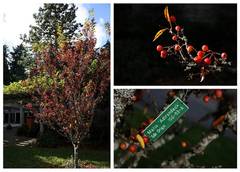
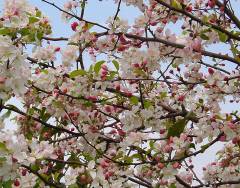
Malus halliana is a small deciduous tree in the Rosaceae, native to China and long cultivated in Japan. It reaches 10–15 feet (3–4.5 m) tall with a spread of 10–15 feet (3–4.5 m), forming a rounded, spreading crown with slender, arching branches. Leaves are alternate, ovate to elliptic, 1.5–3 inches (4–7.5 cm) long, with finely serrated margins, dark green and glossy above, and bronze-tinged when young. Flower buds are deep rose-pink and open to pale pink to rose, single to semi-double flowers 1–1.5 inches (2.5–4 cm) across, hanging on slender, drooping stalks 1.5–2 inches (4–5 cm) long. Fruits are rounded, purplish-red pomes 0.25–0.4 inch (6–10 mm) across that ripen in autumn and persist after leaf drop. Seeds and leaves contain cyanogenic compounds that are toxic if eaten in quantity. The species is susceptible to apple scab, fire blight, and cedar-apple rust, which cause leaf spotting and early leaf drop in humid climates. It is grown in USDA zones 4–8.
Native Range
China, in mountain thickets and woodland margins in the central and eastern provinces; widely cultivated in Japan.Suggested Uses
Used as a flowering specimen in small gardens and near patios, spaced 10–15 feet (3–4.5 m) from buildings and other trees. Used in mixed borders and as a pollinizer for other crabapples and apples that bloom at the same time.How to Identify
Appearance
Size & Dimensions
Height10' - 15'
Width/Spread10' - 15'
Bloom Information
Flowers open in mid spring (April–May), with bloom lasting 10–14 days. Buds appear before the leaves have fully expanded. Fruits ripen from September to October. Trees grown from grafted stock flower in the second to third year.
Detailed Descriptions
Flower Description
Deep rose-pink in bud, opening pale pink to roseFoliage Description
Dark green and glossy, bronze when youngGrowing Conditions
Sun Requirements
Requires 6-10 hours of direct sunlight daily
• Full Sun: 6+ hours of direct sunlight
• Partial Shade: 3-6 hours of direct sunlight
• Full Shade: Less than 3 hours of direct sunlight
Care & Maintenance
Care Guide
Trees grow in full sun, with at least 6 hours of direct light, in moist, well-drained soil with a pH of 5.5–7.5. Young trees are watered weekly at 1 inch (2.5 cm) per week for the first 2 growing seasons, and established trees tolerate short dry periods. Balanced fertilizer is applied in early spring at the label rate for trees. Good air circulation and leaf litter removal in autumn reduce apple scab and cedar-apple rust. Fire blight causes blackened, shepherd's-crook shoot tips that are cut out 8–12 inches (20–30 cm) below the visible infection. Temperatures below -30°F (-34°C) damage buds.Pruning
Pruning is done in late winter or immediately after flowering, removing dead, crossing, and inward-growing branches. Water sprouts and root suckers are cut at the base each year. Cuts are made at the branch collar, and tools are disinfected between cuts when fire blight is present.Pruning Schedule
Prune: February–March
winterearly spring