Lycianthes, Genus, spp., Multiple species,
- Genus
- Multiple species
blue potato bush and relatives
Tropical and subtropical Americas and Asia
Overview
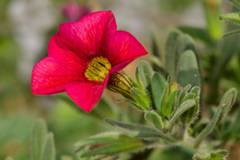
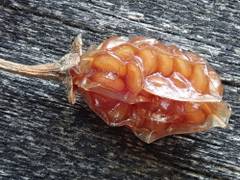
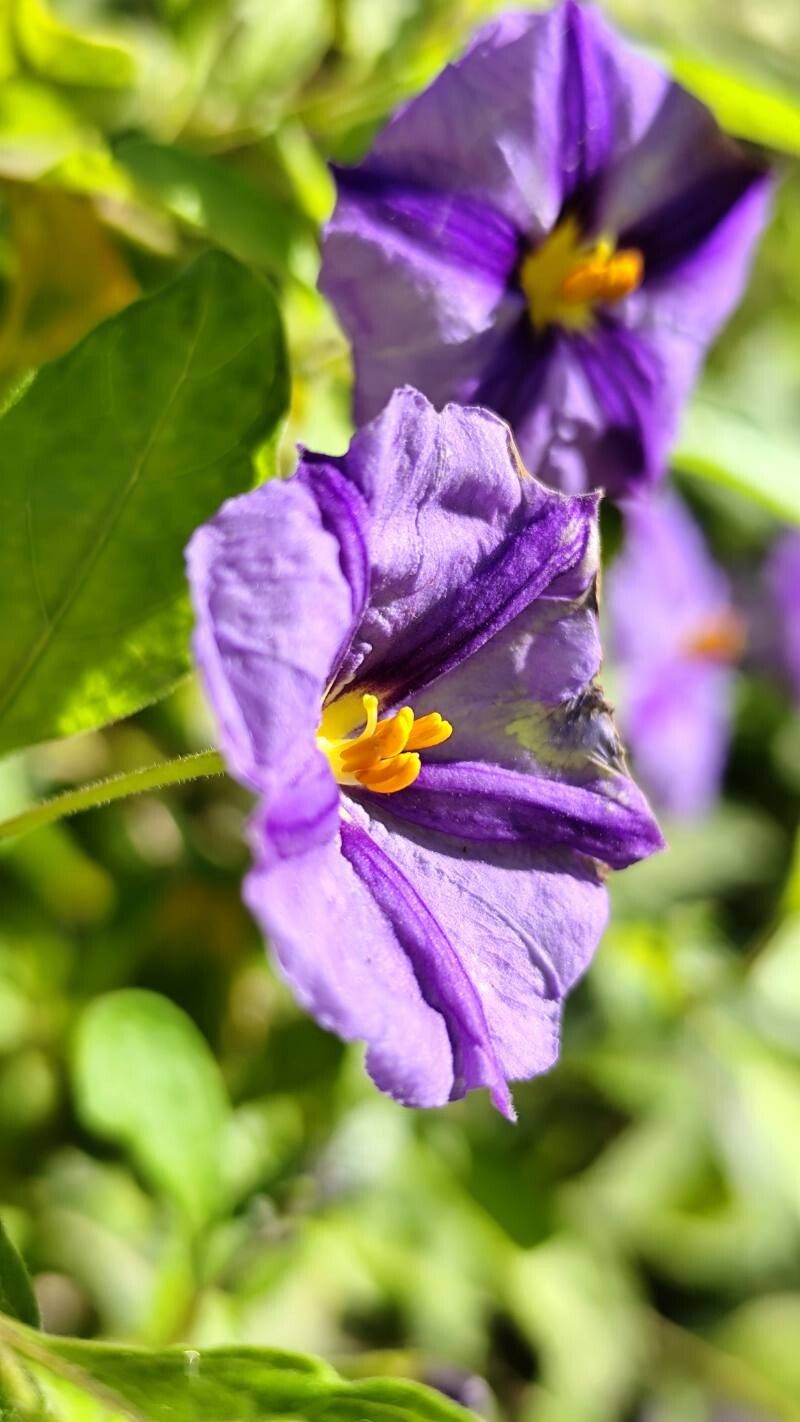
Lycianthes is a genus of about 200 species of shrubs, subshrubs, climbers, and herbs in the nightshade family, native to the warm regions of the Americas and of eastern and southern Asia. The genus is closely related to Solanum and was long included within it. Plants carry simple leaves, often paired with one large and one small leaf at each node, and star- or wheel-shaped flowers with five spreading lobes in violet-blue, purple, or white, usually with a ring of green or yellow markings at the center. Small round berries follow, ripening red, orange, or black. The blue potato bush (L. rantonnetii, once Solanum rantonnetii) is grown as a flowering shrub for its long season of violet-blue bloom. The genus is frost-tender and is cut back or killed by frost. As members of the nightshade family, the leaves and unripe berries contain alkaloids and are toxic if eaten.
Native Range
Lycianthes is found in the tropics and subtropics of the Americas, from Mexico and the Caribbean through Central America to South America, and again in eastern and southern Asia. Species grow in forest edges, clearings, scrub, and disturbed ground. The widely grown L. rantonnetii comes from South America, in Argentina, Paraguay, and Brazil.Suggested Uses
Grown as a flowering shrub, informal hedge, container plant, or standard (lollipop) in warm gardens, and under glass in regions with cold winters. The long bloom season suits mixed borders and patio pots. Plants are spaced 3 to 6 feet (0.9 to 1.8 m) apart.How to Identify
Appearance
Size & Dimensions
Height3' - 10'
Width/Spread3' - 8'
Bloom Information
In warm climates flowering runs over a long season from spring into fall, and nearly year-round where frost is absent, with L. rantonnetii flowering almost continuously. The wheel-shaped flowers open in succession over many weeks. Light pruning and feeding keep the flush of bloom going.
Detailed Descriptions
Flower Description
violet-blue, purple, or whiteFoliage Description
greenGrowing Conditions
Sun Requirements
Requires 6-10 hours of direct sunlight daily
• Full Sun: 6+ hours of direct sunlight
• Partial Shade: 3-6 hours of direct sunlight
• Full Shade: Less than 3 hours of direct sunlight
Care & Maintenance
Care Guide
Plants grow in full sun and moist, fertile, well-drained soil and flower most freely in warm weather with regular water and feeding. Established plants tolerate short dry spells, but prolonged drought reduces flowering. The genus is frost-tender; in cold regions plants are grown in containers moved under cover or treated as summer container plants. Stems are soft and can grow lank, so plants are pinched or staked to stay full. Whitefly, aphids, and spider mites are the main pests under glass.Pruning
Pruning keeps shrubby species dense: stems are cut back in late winter or early spring, and long shoots are shortened through the growing season to control size and draw out flowers. Plants tolerate hard pruning and resprout from old wood. Climbing species are trained and thinned on their support.Container Growing
Suitable for container growing
Minimum container size: 5 gallons