Nicotiana, Genus, sylvestris, Species,
- Genus & species
fragrant tobacco nightshade
Northwestern Argentina (Tucuman province and adjacent regions)
SunFull Sun – Part Shade
WaterMedium
Overview
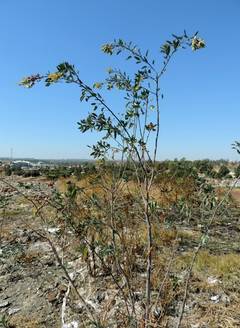
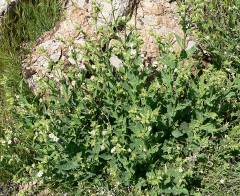
Nicotiana sylvestris is a tall annual reaching 48-72 inches (120-180 cm) in height with a spread of 18-24 inches (45-60 cm). Stems are erect, stout, and glandular-hairy. Basal leaves are very large, ovate to elliptic, 12-24 inches (30-60 cm) long, dark green, and sticky-hairy; stem leaves are smaller and clasping. Terminal panicles are large and drooping, carrying 20-50 or more narrow tubular flowers each 3-4 inches (7.5-10 cm) long in pure white with a flared five-lobed mouth. Fragrance is strong and sweet, intensifying after dusk to attract moth pollinators. Flowering runs midsummer through frost. Self-seeding is prolific: volunteer seedlings emerge from the ground in spring in suitable climates and produce the same season's plants without indoor starting. Growth rate is fast, with transplants reaching full size in 70-90 days. All parts contain nicotine and related pyridine alkaloids and are toxic to humans, cats, dogs, and horses if ingested; glandular foliage can irritate sensitive skin on direct contact. Open exposed sites cause the tall stems to lean, so plants are sited against a windbreak or among supporting neighbors where wind exposure is significant.
Native Range
Nicotiana sylvestris is native to the foothills and valleys of northwestern Argentina, primarily Tucuman and neighboring provinces, in moist shaded habitats at 1,600-6,600 feet (500-2,000 m) elevation.Suggested Uses
Planted as a back-of-border annual at 18-24 inch (45-60 cm) spacing. Night gardens use the species because the white flowers read against dusk and the evening fragrance peaks in the low-light hours. Self-seeded colonies in mild climates extend the planting without replanting. Combines with large-leaved tropicals and other architectural annuals including Cleome hassleriana and Verbena bonariensis. Exposed windy sites without adjacent support fall outside the use range unless plants are staked.How to Identify
Appearance
Size & Dimensions
Height4' - 6'
Width/Spread1'6" - 2'
Bloom Information
Large drooping panicles of narrow white tubular flowers 3-4 inches (7.5-10 cm) long, borne July through October in most temperate climates and June through November in zones 9-10. Individual flowers are short-lived but replaced in succession as new buds open, so panicles remain ornamental for 4-6 weeks. Fragrance is strongest after 6 PM and through the night. Self-sown seedlings in zones 8-10 may begin flowering earlier from overwintered rosettes.
Detailed Descriptions
Flower Description
Pure white; narrow tubular 3-4 inches (7.5-10 cm) with flared five-lobed mouth; large drooping terminal panicles; July-OctoberFoliage Description
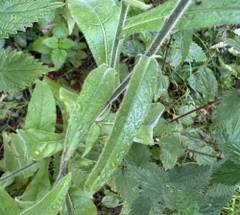
Dark green; very large ovate to elliptic basal leaves 12-24 inches (30-60 cm); sticky-hairy; deciduousGrowing Conditions
Sun Requirements
Requires 4-8 hours of direct sunlight daily
• Full Sun: 6+ hours of direct sunlight
• Partial Shade: 3-6 hours of direct sunlight
• Full Shade: Less than 3 hours of direct sunlight
Water & Climate
Water Needs
Care & Maintenance
Care Guide
Grows in full sun to partial shade in moist fertile well-drained soil at pH 6.0-7.0. Seed is started indoors 6-8 weeks before last frost; seeds are tiny and are pressed onto the soil surface without covering because they require light to germinate. Transplants go out after frost danger at 18-24 inch (45-60 cm) spacing. Regular watering supports flowering and stem strength; drought tolerance is low. Partial shade is tolerated more readily than by most annuals while flowering continues. Staking is used in exposed sites where wind can topple the tall stems. Self-seeding is prolific, and removal of spent panicles limits volunteers in adjacent beds. All parts contain nicotine and related pyridine alkaloids and are toxic if ingested; the glandular foliage can irritate sensitive skin on contact.Pruning
Deadheading is not required to maintain bloom because spent panicles are replaced by new branching; spent panicles are removed only to tidy plant appearance and to limit self-seeding. Plants are cut down after frost. Plant residues are disposed of in trash rather than compost because of the nicotine content.Pruning Schedule
Prune: August–September
summerfall
Toxicity Warning
Toxic to pets and humansPlanting Guide
Planting Methods & Timing
Planting Method
transplant
Indoor Start
7 weeks before last frost
Days to Maturity
70–90 days
Plant Spacing
24 inches
Companion Planting
Good Companions