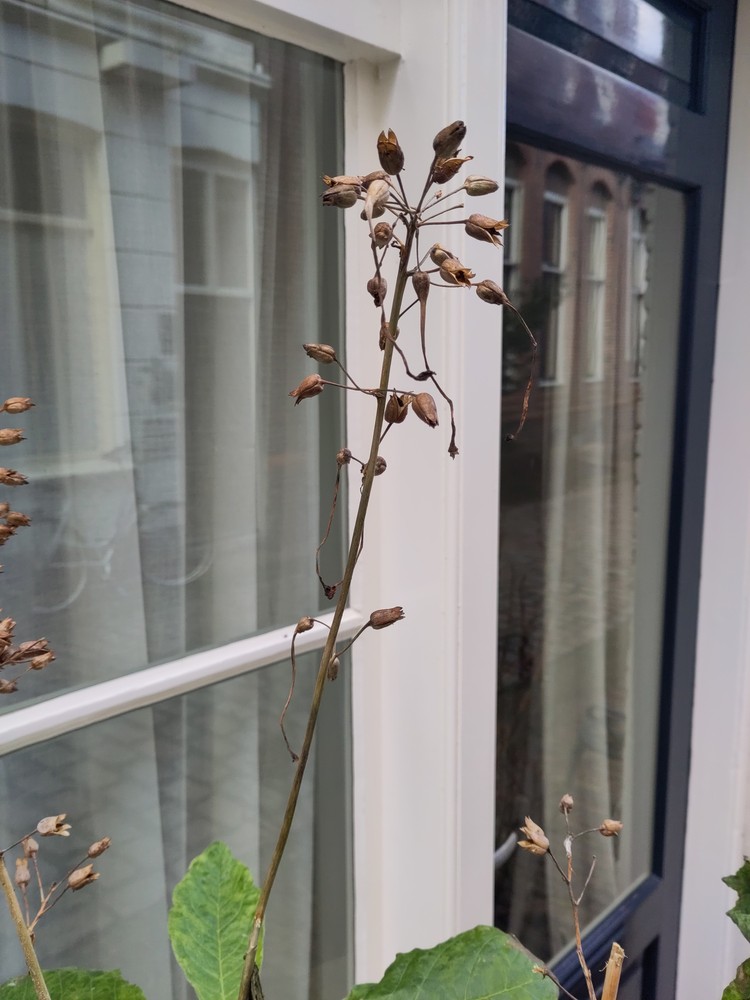
Nicotiana, Genus, spp., Multiple species,
- Genus
- Multiple species
tobaccos
Americas, with a group in Australia and the South Pacific
Overview
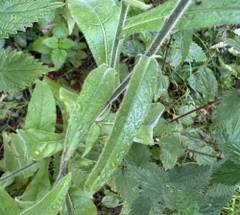
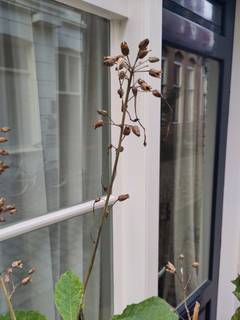
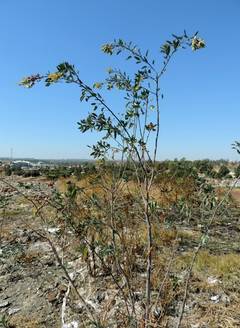
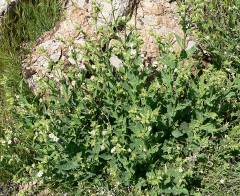
Nicotiana is a genus of about 70 species in the nightshade family (Solanaceae), including annuals, short-lived perennials, and a few shrubs and small trees, native mainly to the Americas with a smaller group in Australia and the South Pacific. Most are upright, sticky-haired plants 1-10 ft (0.3-3 m) tall, with large, soft, oval basal leaves and smaller leaves up the flowering stems. The tubular flowers, 1-4 inches (2.5-10 cm) long, flare into five lobes at the mouth and come in white, green, yellow, pink, red, and maroon; many open toward evening and release a strong scent that draws night-flying moths. The genus includes cultivated tobacco (N. tabacum), grown for its leaves, and ornamental flowering tobaccos such as N. alata and N. sylvestris. All parts contain nicotine and related alkaloids and are poisonous if eaten by people or animals. Most ornamental species are grown as warm-season annuals because they are frost-tender, and the sticky foliage can collect dust and small insects.
Native Range
Native mainly to the Americas, especially South America, with a separate group of species in Australia, New Caledonia, and other South Pacific islands. Cultivated tobacco and several ornamental species are now grown worldwide.Suggested Uses
Ornamental flowering tobaccos are grown in summer borders, containers, and night gardens for their long tubular flowers and evening scent. The evening fragrance suits seating areas and entryways used after dark. Because all parts are poisonous, the genus is placed away from areas used for food crops or grazing.How to Identify
Appearance
Size & Dimensions
Height1' - 10'
Width/Spread1' - 3'
Bloom Information
Ornamental species flower over a long warm-season span, from early summer to autumn (June-October) and until frost. Many flowers open or release scent in the evening and are pollinated by moths, while some day-open forms draw bees and hummingbirds. Removing faded flowers extends bloom on annual types.
Detailed Descriptions
Flower Description
White, green, pink, red, or maroonFoliage Description
GreenGrowing Conditions
Sun Requirements
Requires 4-10 hours of direct sunlight daily
• Full Sun: 6+ hours of direct sunlight
• Partial Shade: 3-6 hours of direct sunlight
• Full Shade: Less than 3 hours of direct sunlight
Care & Maintenance
Care Guide
Grow in full sun to part shade in fertile, moisture-retentive but well-drained soil with steady summer water. Most ornamental species are frost-tender and grown as annuals, sown indoors and set out after the last frost, while a few perennials survive winters in USDA zones 8-10. Tall species such as N. sylvestris may need shelter from wind or light staking. Hot, dry soil cuts flowering short, and the sticky leaves can hold aphids and whitefly. All parts are poisonous if eaten, containing nicotine and related alkaloids. Plants often self-sow, returning from seed the following year in mild climates.Pruning
Faded flowers are removed through summer to prolong bloom and limit excess self-sowing on annual species. Tall stems are cut back if they flop or finish flowering, which can prompt a fresh flush on perennial types. Annual plants are pulled out after frost kills them.Container Growing
Suitable for container growing
Minimum container size: 3 gallons
Toxicity Warning
Toxic to pets and humansPlanting Guide
Planting Methods & Timing
Planting Method
transplant
Indoor Start
8 weeks before last frost
Plant Spacing
12 inches