Nicotiana, Genus, alata, Species,
- Genus & species
flowering tobacco
Northeastern Argentina, southern Brazil, and Uruguay
SunFull Sun – Part Shade
WaterMedium
Overview
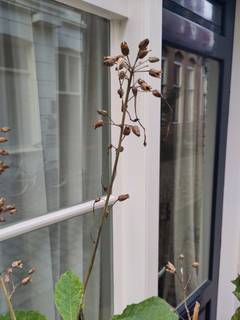
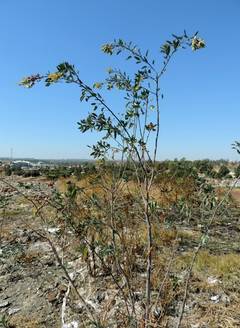
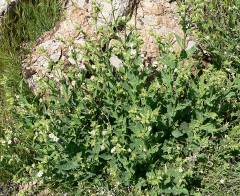
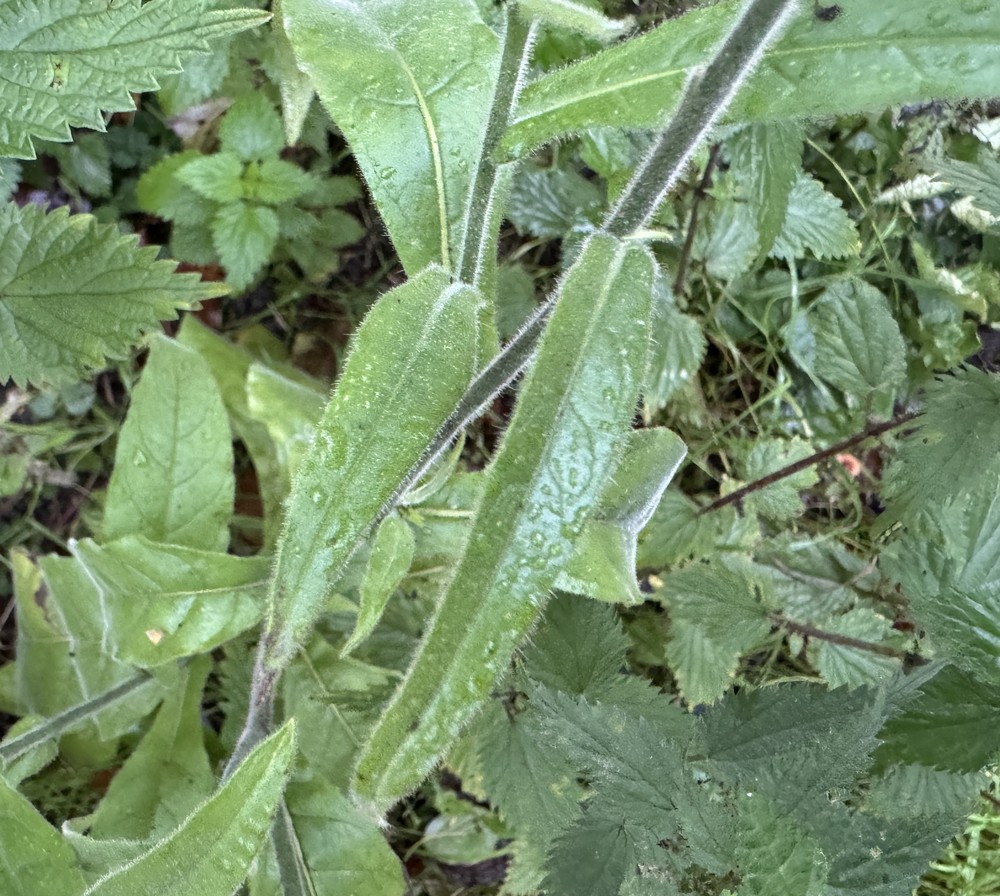
Nicotiana alata is a tender annual (short-lived perennial in zones 10-11) in the family Solanaceae, native to northeastern Argentina, southern Brazil, and Uruguay, in moist disturbed ground, forest edges, and roadsides. Plants form large sticky-hairy basal rosettes of oblong to spatula-shaped leaves 4-10 inches (10-25 cm) long, from which erect branching stems rise 24-48 inches (60-120 cm) carrying clusters of slender tubular flowers 2-3 inches (5-8 cm) long that flare into five rounded lobes at the mouth. The wild species and tall heirloom cultivars carry pure white flowers that open primarily in the evening and release an intense sweet jasmine-like fragrance; modern compact series ('Domino', 'Havana', 'Perfume') open more fully in daytime and come in white, pink, red, lime green, and bicolors, with reduced fragrance compared to the species. Growth rate is fast from transplants, reaching flowering size 70-90 days after sowing. Self-seeded volunteers are common in mild-winter climates. All parts contain nicotine and related pyridine alkaloids and are toxic to humans, cats, dogs, and horses if ingested; foliage is also mildly irritant on contact in sensitive individuals. Compact cultivars trade evening fragrance for daytime bloom, which limits the scented-garden role to the species and tall heirloom types.
Native Range
Nicotiana alata is native to northeastern Argentina, southern Brazil, and Uruguay, in moist disturbed ground, stream banks, and forest margins at low to mid elevations. Widely cultivated and occasionally naturalized in warm temperate and subtropical regions worldwide.Suggested Uses
Planted in cottage gardens, mixed borders, containers, and near seating areas at 12-18 inch (30-45 cm) spacing. Tall fragrant types sited near patios, windows, and walkways place the evening fragrance where it is encountered in garden use. Compact cultivars from the 'Domino' and 'Havana' series suit containers and window boxes. Combines with other evening-scented annuals including heliotrope, Matthiola longipetala (night-scented stock), and Mirabilis jalapa.How to Identify
Appearance
Size & Dimensions
Height2' - 4'
Width/Spread1' - 1'6"
Bloom Information
Slender tubular flowers 2-3 inches (5-8 cm) long in terminal clusters, borne July through frost over 14-16 weeks in most climates. Species and heirloom tall types open in late afternoon and evening and close partially during the day; modern compact cultivars open more fully across the day. Fragrance peaks on warm evenings. In cool Pacific Northwest summers, bloom begins in late June from indoor-started transplants.
Detailed Descriptions
Flower Description
White (species and heirloom types); modern cultivars in white, pink, red, lime green, and bicolors; slender tubular 2-3 inches (5-8 cm) flaring at the mouth; July through frostFoliage Description
Medium green; oblong to spatula-shaped 4-10 inches (10-25 cm); sticky-hairy; deciduousGrowing Conditions
Sun Requirements
Requires 4-6 hours of direct sunlight daily
• Full Sun: 6+ hours of direct sunlight
• Partial Shade: 3-6 hours of direct sunlight
• Full Shade: Less than 3 hours of direct sunlight
Water & Climate
Water Needs
Care & Maintenance
Care Guide
Grown in full sun to partial shade in fertile moist well-drained soil at pH 6.0-7.0. Seed is started indoors 6-8 weeks before last frost; seeds are tiny and need surface light to germinate and are therefore not covered. Transplants go out after last frost at 12-18 inch (30-45 cm) spacing. Regular watering supports flowering, and plants wilt visibly but recover quickly after dry spells. Deadheading spent flower clusters supports continuous bloom. Direct sowing is not practical in short-summer climates; indoor-start production is the typical method. All parts contain nicotine and related pyridine alkaloids and are toxic if ingested; sensitive individuals can experience skin irritation from handling sticky foliage.Pruning
Spent flower clusters are cut back to the next lateral bud to maintain continuous bloom and a tidy silhouette. A mid-season cutback by one-third rejuvenates plants that have become leggy and stimulates fresh branching within 2-3 weeks. Division is not used because the plant is an annual. Open-pollinated seed can be collected before frost for next year. Plant residues are disposed of in trash rather than compost because of the nicotine content.Pruning Schedule
Prune: August–September
summerfall
Container Growing
Suitable for container growing
Minimum container size: 3 gallons
Toxicity Warning
Toxic to pets and humansPlanting Guide
Planting Methods & Timing
Planting Method
transplant
Indoor Start
7 weeks before last frost
Direct Sow Timing
Not practical in short-summer climates; seed is started indoors 6-8 weeks before last frost, pressed onto the soil surface (seeds need light to germinate).
Days to Maturity
70–90 days
Plant Spacing
15 inches