Solidago, Genus, 'Loysder Crown', Cultivar,
- Genus
- Cultivar
Loysder crown solidago
North America (parent species); horticultural cultivar
Overview
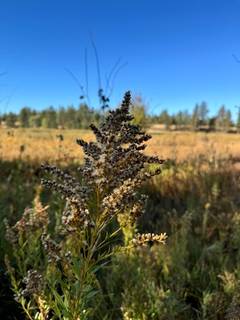
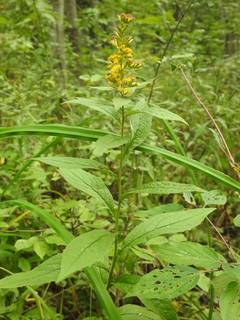
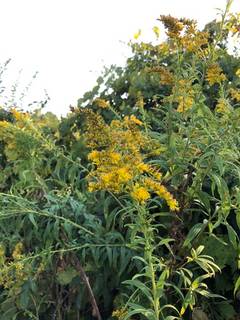
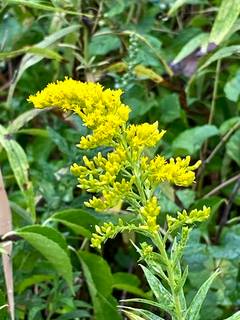
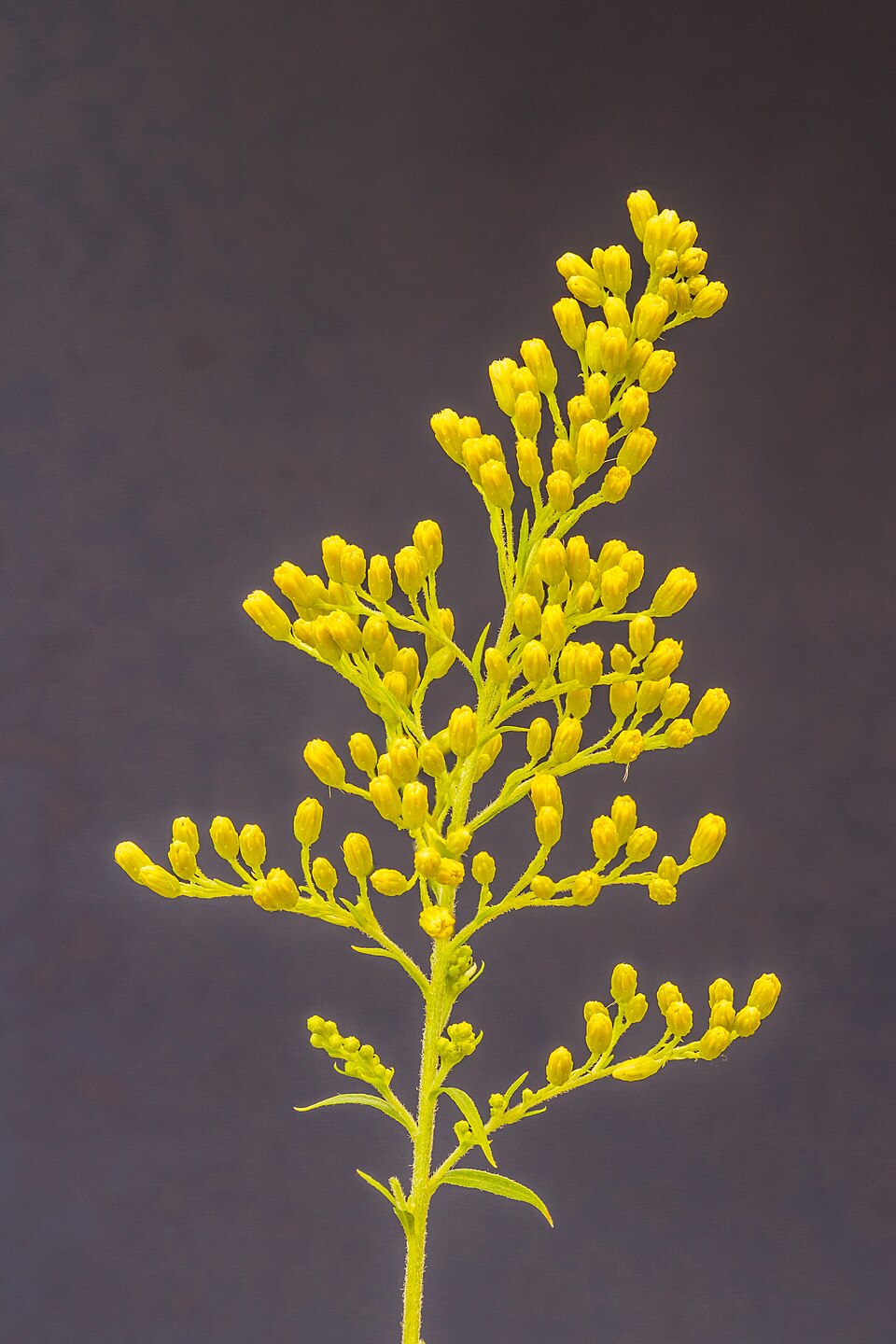
Solidago 'Loysder Crown' is a clump-forming herbaceous perennial reaching 30-36 inches (76-90 cm) tall and 18-24 inches (45-60 cm) wide at maturity, more compact than the 4-6 foot (120-180 cm) height of unselected wild Solidago canadensis. Stems upright and unbranched until the inflorescence, supporting flowers without staking. Leaves lance-shaped, 3-5 inches (8-13 cm) long, mid-green and slightly toothed along the margins. Inflorescences are dense pyramidal panicles 6-9 inches (15-23 cm) long carrying hundreds of small bright yellow flowers 0.2-0.3 inch (4-6 mm) across; bloom occurs late August through October over a 6-8 week period. Foliage dies back to the crown after frost and stems can be cut to ground level or left for winter interest. Plants spread by short rhizomes 2-3 inches (5-8 cm) per year, less aggressively than the seedy wild species, but still produce 5-15 volunteer seedlings annually if seedheads are not removed. Goldenrod is wind-pollinated for the most part and is not the cause of late-summer hayfever despite its bloom timing coinciding with ragweed.
Native Range
Solidago parent species are native to North America from southern Canada south to the Gulf coast and from the Atlantic west to the Rocky Mountains, occupying meadows, prairies, woodland edges, and roadsides at sea level to 9,000 feet (2,700 m) elevation. The cultivar 'Loysder Crown' was selected from compact-growing seedlings in European cultivation and entered North American trade in the late 20th century.Suggested Uses
Used in mixed perennial borders, prairie-style plantings, native meadow gardens, and pollinator gardens at 18-24 inch (45-60 cm) spacing. Grown in containers of at least 3 gallons (11 L) with adequate drainage; container culture limits the rhizomatous spread that occurs in the ground. Planted in mass groupings of 5-9 plants for cohesive bloom display, often combined with autumn-flowering Aster, Eupatorium, and ornamental grasses for sequential bloom from late summer through the first frost.How to Identify
Appearance
Size & Dimensions
Height2'6" - 3'
Width/Spread1'6" - 2'
Bloom Information
Late August through October in zones 4-7 and September through early November in zones 8-9. Inflorescence development begins in late July; first flowers open in August and bloom progresses up the panicle from base to tip over 6-8 weeks. Cool autumn weather extends bloom by 1-2 weeks compared to warm seasons.
Detailed Descriptions
Foliage Description
Mid-greenGrowing Conditions
Sun Requirements
Requires 6-10 hours of direct sunlight daily
• Full Sun: 6+ hours of direct sunlight
• Partial Shade: 3-6 hours of direct sunlight
• Full Shade: Less than 3 hours of direct sunlight
Care & Maintenance
Care Guide
Water weekly during the first growing season at 1 inch (2.5 cm) per week; established plants tolerate 3-4 weeks without rain due to deep taproots and survive drought without supplemental water in average garden soils. Powdery mildew develops on lower leaves in humid conditions with poor air circulation but is cosmetic only and does not reduce flower production. Goldenrod gall fly (Eurosta solidaginis) creates round 0.8-1.2 inch (2-3 cm) ball galls on stems in midsummer; affected stems can be removed and destroyed to reduce gall populations the following year. Self-seeded volunteers come up around mature clumps at 5-15 plants per year if seedheads are left through winter; volunteers can be removed at the seedling stage when 2-3 leaves are present. Divide clumps every 4-5 years in early spring as buds emerge to maintain vigour and prevent the centre of the clump from dying out.Pruning
Cut all stems to ground level in late autumn after the first hard frost or in early spring before new growth emerges. Stems can be cut back by one-third in early summer (the Chelsea chop) to produce a 24-30 inch (60-76 cm) plant with delayed bloom and denser branching. Remove spent flower panicles after final bloom to prevent self-seeding, or leave seedheads through winter for goldfinch and chickadee forage.Pruning Schedule
Prune: March & October–November
fallearly spring
Container Growing
Suitable for container growing
Minimum container size: 3 gallons