Overview
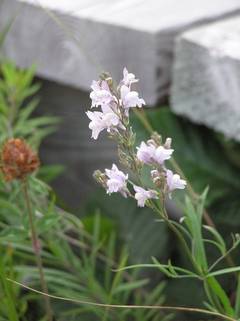
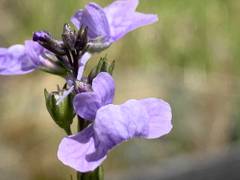
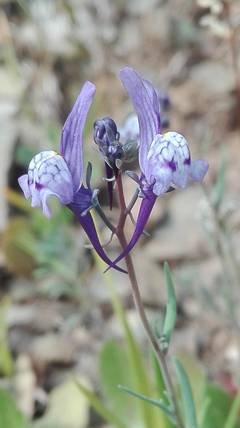
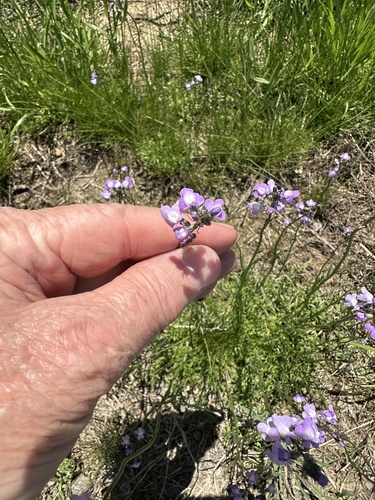
Linaria canadensis is a slender annual or biennial in the plantain family, growing 4-24 inches (10-60 cm) tall on thin, wiry, upright stems. A low rosette of small leaves forms first, sending out short prostrate shoots, after which the erect flowering stems rise with scattered narrow, linear leaves. From early spring into summer the stem tips carry slim spikes of small two-lipped flowers about 0.3-0.5 inch (8-12 mm) long, pale blue to violet with a white-raised palate and a slender backward-pointing spur. The flowers resemble miniature snapdragons. Native to open sandy ground across much of North America, it colonizes fields, roadsides, dunes, and disturbed soil, often in large numbers. As a winter annual the seed germinates in fall, overwinters as a rosette, and flowers the following spring before dying. It tolerates poor, dry, sandy soils and full sun, and self-sows freely. The plant is small and short-lived, fading by midsummer.
Native Range
Native to North America, widespread from southern Canada through the United States and into Mexico. It grows in sandy fields, open woods, roadsides, dunes, and other dry, disturbed ground.Suggested Uses
Linaria canadensis is grown in wildflower meadows, sandy native plantings, and naturalized areas, where it self-sows into drifts. Its early flowers draw small bees, butterflies, and other pollinators.How to Identify
Appearance
Size & Dimensions
Height4" - 2'
Width/Spread2" - 6"
Bloom Information
Detailed Descriptions
Flower Description
pale blue to violetFoliage Description
greenGrowing Conditions
Sun Requirements
Requires 6-12 hours of direct sunlight daily
• Full Sun: 6+ hours of direct sunlight
• Partial Shade: 3-6 hours of direct sunlight
• Full Shade: Less than 3 hours of direct sunlight
Water & Climate
Water Needs
Drought Tolerance
Drought tolerant when established
Care & Maintenance
Care Guide
Linaria canadensis grows in full sun and dry, sandy, well-drained soils, and tolerates poor, lean ground. It needs little water and self-sows readily, so it returns from seed rather than persisting as a plant. Sowing seed in fall mimics its natural winter-annual cycle. It does not compete well in rich, crowded plantings. No fertilizer is needed, and overwatering shortens its life.Pruning
No pruning is needed for this short-lived annual. Plants can be left to set and drop seed for next year, or pulled once they fade. Cutting back before seed set limits self-sowing.Toxicity
Non-toxicPlanting Guide
Planting Methods & Timing
Planting Method
direct sow
Direct Sow Timing
Fall, for spring bloom
Days to Maturity
180–240 days
Plant Spacing
6 inches