Linaria, Genus, spp., Multiple species,
- Genus
- Multiple species
toadflaxes
Overview
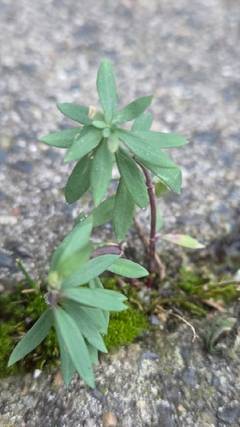
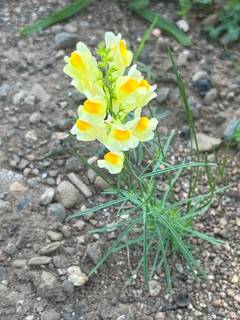
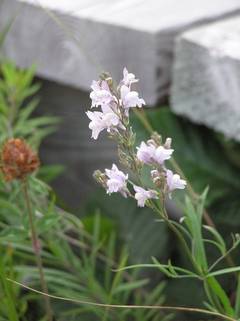
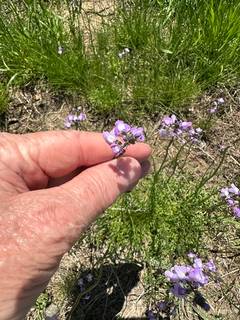
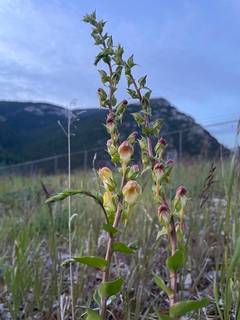
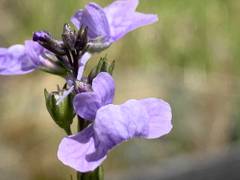
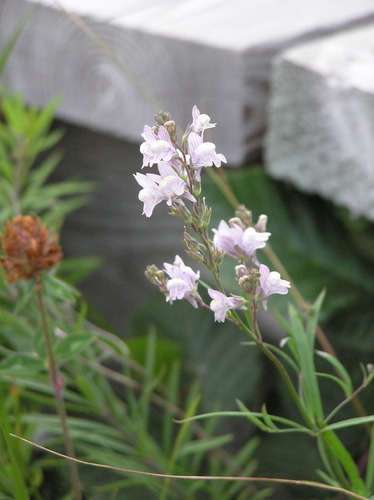
Linaria is a genus of about 150 species of annual and perennial herbs in the family Plantaginaceae, native to temperate Europe, the Mediterranean region, and western Asia, with a few in North America. Plants form upright, often slender stems 8 inches to 3 feet (20 to 90 cm) tall, clothed in narrow, usually blue-green, stalkless leaves. The flowers resemble small snapdragons: a two-lipped tube with a closed, often contrasting throat and a slender spur projecting backward, carried in dense terminal spikes. Across the genus, flower color spans yellow, purple, violet, pink, and white, frequently with a yellow or orange palate on the lower lip, as in the butter-and-eggs pattern of L. vulgaris. Bloom continues over a long season and draws long-tongued bees that can reach the spurred nectar. The genus grows in dry grassland, sandy and stony ground, roadsides, and disturbed soils. A limitation is that some species, including L. vulgaris, spread aggressively by creeping roots and seed and are listed as noxious weeds in parts of North America.
Native Range
Linaria is native to temperate Europe, the Mediterranean basin, and western Asia, with the greatest diversity around the Mediterranean. A few species are native to North America, while others, such as L. vulgaris and L. dalmatica, have naturalized widely and spread on disturbed and rangeland soils.Suggested Uses
Linaria species are used in cottage gardens, gravel and dry gardens, wildflower plantings, and the front to middle of borders. Annual species such as L. maroccana are grown in mixed seed plantings and containers, while spreading perennials are reserved for naturalistic schemes where their wandering habit is acceptable.How to Identify
Appearance
Size & Dimensions
Height8" - 3'
Width/Spread6" - 1'6"
Bloom Information
Linaria flowers over a long season from late spring into autumn, roughly May through September, with annual species blooming quickly from seed. The spikes open from the base upward over several weeks, and deadheading prolongs the display. Some species rebloom after being cut back.
Detailed Descriptions
Flower Description
yellow, purple, violet, pink, and whiteFoliage Description
blue-greenGrowing Conditions
Sun Requirements
Requires 6-12 hours of direct sunlight daily
• Full Sun: 6+ hours of direct sunlight
• Partial Shade: 3-6 hours of direct sunlight
• Full Shade: Less than 3 hours of direct sunlight
Care & Maintenance
Care Guide
Across the genus, Linaria grows in full sun and light, well-drained, sandy or stony soil of low to moderate fertility, with a soil pH of about 6.0 to 7.5. Plants tolerate drought and poor soil and grow weak and floppy in rich, moist ground. Annual species are grown from seed sown in place, while perennials grow from seed or division and often self-seed. Spreading species are kept away from open ground where they can naturalize. Cutting plants back after the first flush encourages fresh growth and more bloom.Pruning
Spent spikes are removed to extend bloom and reduce self-seeding. After the main flush, plants are cut back by about a third to bring on a second round of flowers. Perennial species are cut to the ground in late autumn or early spring.Container Growing
Suitable for container growing
Minimum container size: 2 gallons