Flowering Shrub
Lespedeza, Genus, bicolor, Species,
- Genus & species
Shrubby bush clover
Northeastern Asia (northern China, Korea, Japan, Russian Far East)
Overview
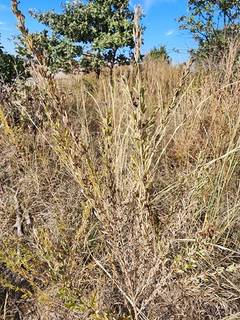
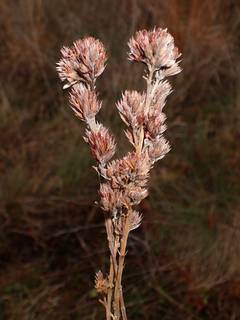
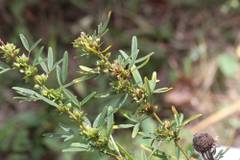
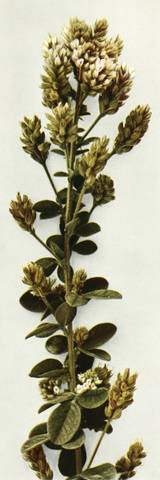
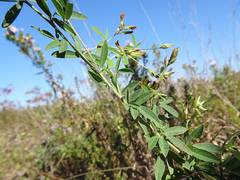
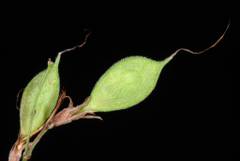
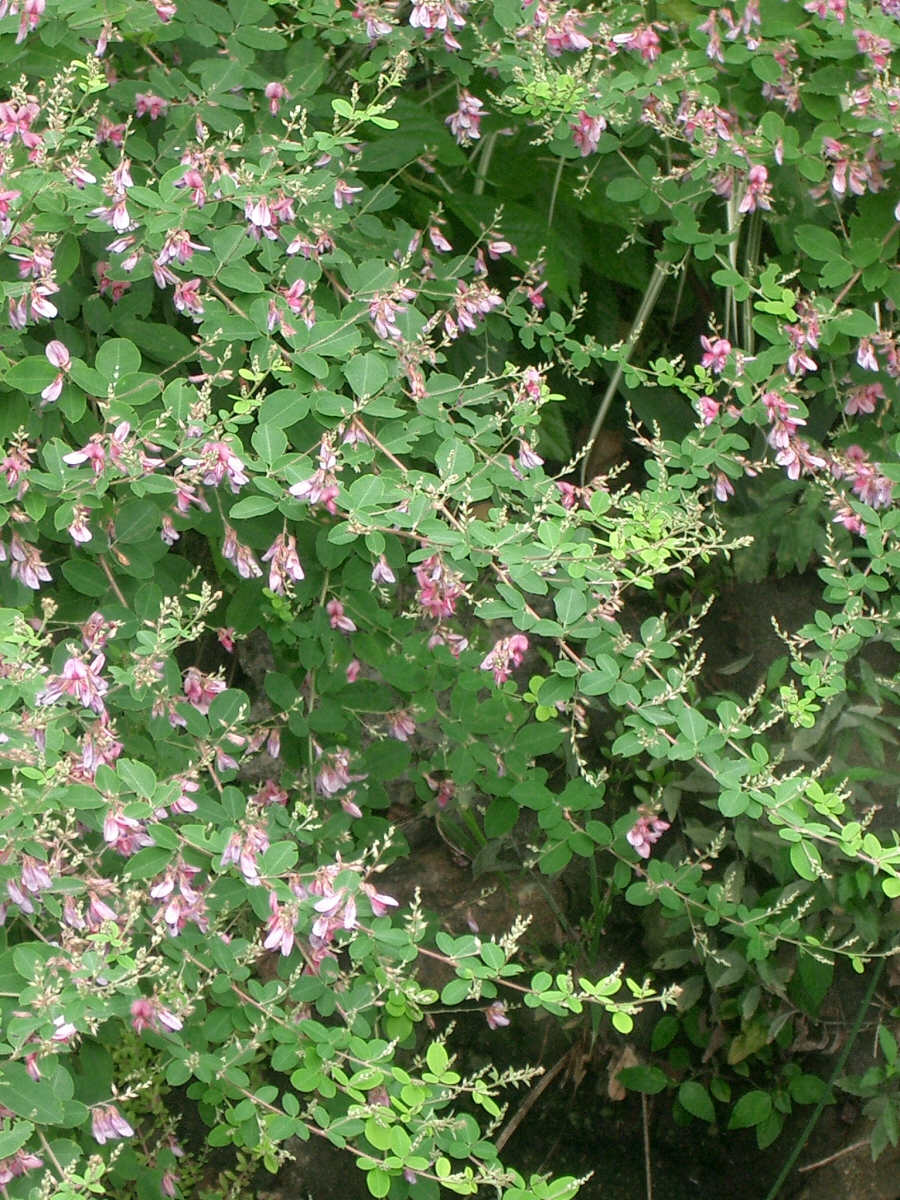
Lespedeza bicolor is a deciduous, multi-stemmed shrub that grows 3–10 feet (0.9–3 m) tall and 6–10 feet (1.8–3 m) wide, with arching, wiry stems that die back partly or fully to the ground in cold winters. Leaves are trifoliate, with oval leaflets 0.75–2.5 inches (2–6 cm) long that are blue-green above, paler beneath, and slightly notched at the tip. Flowers are pea-shaped, 0.5 inch (1.3 cm) long, rose-purple, in loose racemes 2–6 inches (5–15 cm) long at the leaf axils, in late summer. Fruits are flat, one-seeded pods 0.25–0.4 inch (6–10 mm) long. Roots host nitrogen-fixing bacteria, and plants establish in poor, dry soil. The species is hardy in USDA zones 4–8. L. bicolor has naturalized in eastern North America, where it spreads by seed into forest edges and roadsides and is regarded as invasive in several states. Growth is open and sprawling, and flowers form on new growth.
Native Range
Lespedeza bicolor is native to northeastern Asia, including northern China, Korea, Japan, and the Russian Far East, where it grows in open woodland and on dry hillsides. It has been introduced to eastern North America for wildlife plantings and erosion control.Suggested Uses
Lespedeza bicolor is used in wildlife plantings, erosion control on dry slopes, and informal borders, with spacing of 4–6 feet (1.2–1.8 m) between plants. Seeds are eaten by quail and other ground-feeding birds.How to Identify
Appearance
Size & Dimensions
Height3' - 10'
Width/Spread6' - 10'
Bloom Information
Detailed Descriptions
Foliage Description
Blue-green above, paler beneathGrowing Conditions
Sun Requirements
Requires 6-10 hours of direct sunlight daily
• Full Sun: 6+ hours of direct sunlight
• Partial Shade: 3-6 hours of direct sunlight
• Full Shade: Less than 3 hours of direct sunlight
Care & Maintenance
Care Guide
Lespedeza bicolor grows in full sun, with at least 6 hours of direct light, in well-drained soil of pH 5.5–7.5, and tolerates sand, clay, and poor soil. Established plants tolerate dry periods, and 1 inch (2.5 cm) of water weekly is applied in the first year. Hardiness is USDA zones 4–8, with stems dying back to the base in cold winters. Fertilizer is not required, since root nodules fix nitrogen. Seedlings establish near the parent plant and in disturbed ground. Few insect or disease problems are recorded, though leaf spots and root rot occur in wet soil.Pruning
Pruning takes place in late winter, cutting stems to 6–12 inches (15–30 cm) above the ground, since flowers form on new growth. Plants regrow 3–6 feet (0.9–1.8 m) in one season after cutting. Spent seed racemes are removed to limit seedling establishment.Pruning Schedule
Prune: February–March
winterearly spring