Lespedeza, Genus, spp., Multiple species,
- Genus
- Multiple species
bush clovers and lespedezas
East Asia, eastern North America, and Australia
Overview
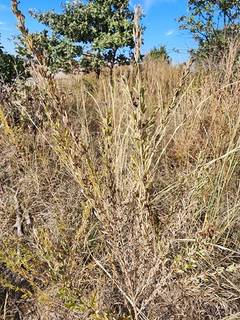
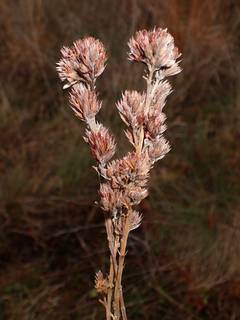
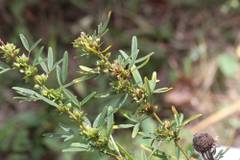
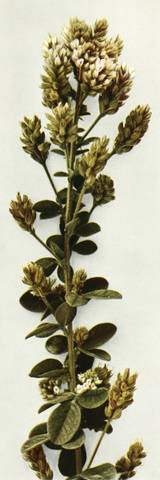
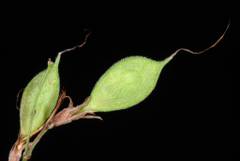
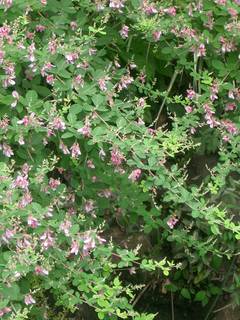
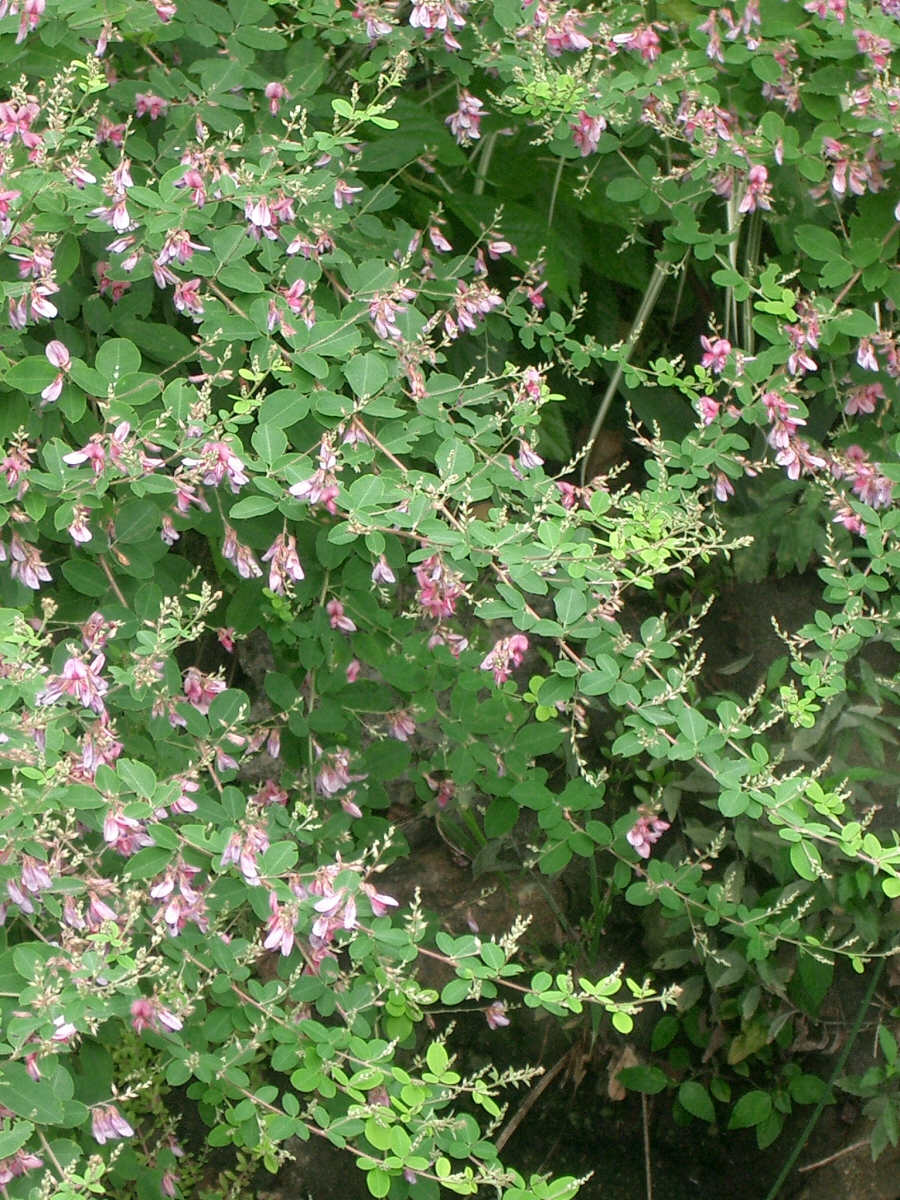
Lespedeza is a genus of about 40 species in the legume family (Fabaceae), made up of perennial herbs and small deciduous shrubs native to temperate and subtropical Asia, North America, and Australia. Plants range from low, trailing mats to arching shrubs 2-8 ft (0.6-2.4 m) tall, with slender, often wand-like stems that bend under the weight of late-season flowers. The leaves are divided into three small oval leaflets, 0.5-1.5 inches (1.3-4 cm) long, in the typical clover pattern of the pea family. Small pea-shaped flowers, 0.2-0.5 inch (0.5-1.3 cm) long and pink, purple, white, or cream, crowd the upper stems from late summer into autumn. As nitrogen-fixing legumes, members of the genus grow on poor, dry soils and are planted for forage, erosion control, and wildlife food. Several species, particularly sericea lespedeza (L. cuneata), self-seed heavily and form dense stands that crowd native vegetation, and they are regulated as invasive across parts of the central and eastern United States. Habit, height, and hardiness vary widely across the genus.
Native Range
Native to temperate and subtropical East Asia, eastern North America, and Australia, in open woods, prairies, and disturbed ground. Asian species such as L. cuneata and L. bicolor have naturalized widely in North America.Suggested Uses
Used for erosion control, forage, and wildlife plantings on poor and disturbed soils, and shrubby species are grown in borders for their arching late-summer flowers. The seeds feed quail, turkey, and songbirds through autumn and winter. Invasive species such as L. cuneata are managed on roadsides and rangeland rather than planted.How to Identify
Appearance
Size & Dimensions
Height2' - 8'
Width/Spread2' - 6'
Bloom Information
Flowering runs from mid or late summer into autumn (July-October), peaking as day length shortens. Bees work the open flowers, while inconspicuous closed flowers lower on the stems self-pollinate and add to the seed crop. Seed ripens in autumn and persists into winter as food for birds and small mammals.
Detailed Descriptions
Flower Description
Pink to purple, white, or creamFoliage Description
GreenGrowing Conditions
Sun Requirements
Requires 6-12 hours of direct sunlight daily
• Full Sun: 6+ hours of direct sunlight
• Partial Shade: 3-6 hours of direct sunlight
• Full Shade: Less than 3 hours of direct sunlight