Leptospermum, Genus, squarrosum, Species,
- Genus & species
peach-flowered tea tree
Overview
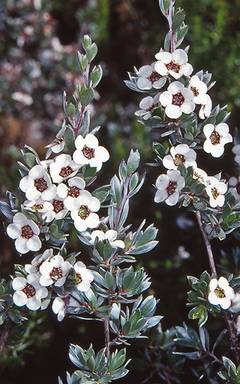
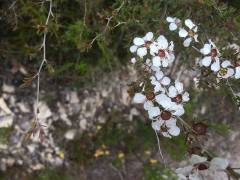
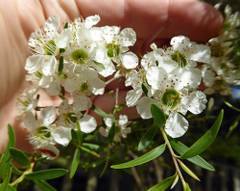
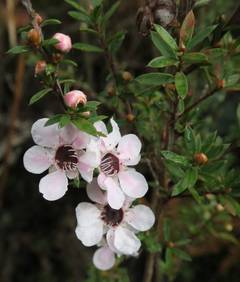
Leptospermum squarrosum is an evergreen shrub reaching 3-10 feet (0.9-3 m) tall and 3-6 feet (0.9-1.8 m) wide, with an open, sometimes straggly framework of stiff branches. The small leaves are 0.2-0.4 inch (5-10 mm) long, spreading or curved back from the stems, sharp-tipped, and mid to grey-green. Pink flowers 0.6-1 inch (15-25 mm) across open along the older wood rather than at the branch tips, mainly from late summer into autumn, so the bloom sits within the bush. The species grows in heath and dry sclerophyll woodland on sandstone-derived sandy soils on the central coast of New South Wales. It tolerates drought and poor soil once established but is intolerant of prolonged waterlogging and rich ground. Flowering on old wood means hard pruning into bare branches removes the next season flowers. Open growth can leave the base bare, so it suits informal and natural plantings more than clipped settings.
Native Range
Leptospermum squarrosum is native to the central coast of New South Wales, Australia. It grows in heath and dry sclerophyll woodland on sandy, sandstone-derived soils.Suggested Uses
Planted in native, coastal, and waterwise gardens, in informal screens, and among other heath shrubs on sandy soil. Suited to bird-attracting and habitat plantings. Spaced 3-5 feet (0.9-1.5 m) apart in groups.How to Identify
Appearance
Size & Dimensions
Height3' - 10'
Width/Spread3' - 6'
Bloom Information
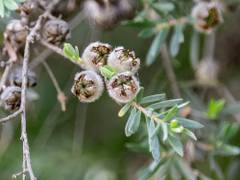
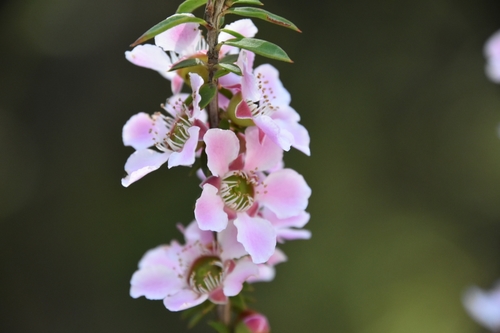
Pink flowers open mainly from late summer into autumn, set along the older branches rather than the new tips. Each flower is cup-shaped with five rounded petals around a ring of stamens. Woody seed capsules follow and can persist on the stems for years.
Detailed Descriptions
Foliage Description
Mid to grey-greenGrowing Conditions
Sun Requirements
Requires 6-10 hours of direct sunlight daily
• Full Sun: 6+ hours of direct sunlight
• Partial Shade: 3-6 hours of direct sunlight
• Full Shade: Less than 3 hours of direct sunlight
Care & Maintenance
Care Guide
Leptospermum squarrosum grows in full sun to light shade in well-drained sandy or gravelly soil and tolerates drought once established. It is adapted to low-nutrient soils and grows without added phosphorus, which can damage the roots. Cold hardiness reaches about USDA zones 9-11, with frost a risk to young plants. Sharp drainage matters, as the roots are prone to rot in heavy or waterlogged soil. Light tip pruning after flowering keeps the open habit denser.Pruning
Light trimming after flowering keeps the shrub bushy without cutting away the old wood that carries next year flowers. Hard pruning into bare branches removes flowering wood and is recovered from slowly. No routine heavy pruning is undertaken.Pruning Schedule
Prune: May–June
fallwinter
Container Growing
Suitable for container growing
Minimum container size: 7 gallons