Larix, Genus, occidentalis, Species,
- Genus & species
western larch
Inland Pacific Northwest of North America
Overview
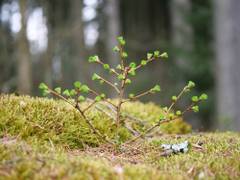
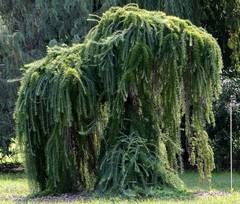
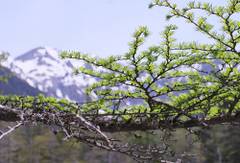
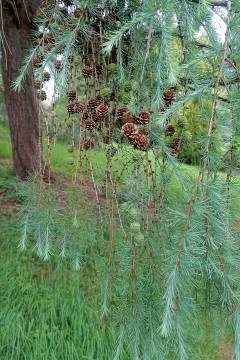
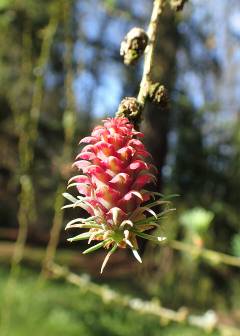
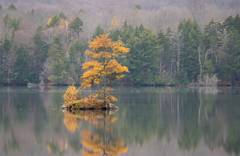
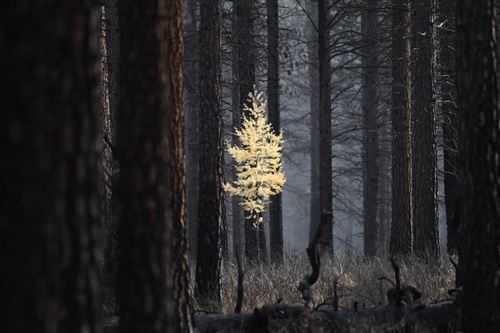
Larix occidentalis is a tall deciduous conifer reaching 100-180 feet (30-55 m) tall and 24-36 inches (60-90 cm) trunk diameter at maturity, with mature specimens occasionally exceeding 200 feet (60 m). The crown is narrow and conical when young, becoming open and irregular with age; lower branches are typically self-pruning to leave a clean bole on mature trees. Bark is reddish-brown, thick (up to 6 inches / 15 cm at the base), and deeply furrowed into rectangular plates on old trees. Needles are soft, pale to bright green, 0.8-1.6 inches (2-4 cm) long, borne in clustered tufts of 14-30 on short spur shoots and singly on new long shoots. Needles turn bright yellow in October before dropping, leaving bare branches through winter. Cones are oblong, 1-1.5 inches (2.5-4 cm) long, with bracts protruding beyond the scales; mature cones turn purplish-brown and persist on branches for 1-2 years. Pollen cones release pollen in May. Trees take 20-30 years to begin producing cones and live 400-700 years on suitable sites. Wood is dense, durable, and historically used for poles, ties, and shipbuilding.
Native Range
Native to the inland Pacific Northwest of North America, occurring from southeastern British Columbia south through northeastern Washington, northern Idaho, and western Montana, with isolated populations in northeastern Oregon. Found in moist montane forests, particularly on north-facing slopes and along streams, at 2,000-7,000 feet (600-2,150 m) elevation; occurs typically on deep, moist, well-drained soils.Suggested Uses
Used as a specimen tree in large landscapes, parks, and naturalistic plantings at minimum 30-40 ft (9-12 m) spacing from buildings and other large trees. Suited to montane and cool-summer climate gardens, restoration plantings within the native range, and large estate landscapes. Performs poorly in urban heat islands, small residential lots, hot-summer climates, and zones outside USDA 4-7.How to Identify
Appearance
Size & Dimensions
Height100' - 180'
Width/Spread30' - 50'
Bloom Information
Pollen cones release pollen from late April through early May, before or as new needles emerge. Female (seed) cones develop through summer, ripening in September and shedding seed in October-November. Cones persist on branches for 1-2 years after seed release. Wind disperses pollen and seed; no insect or animal pollination is involved.
Detailed Descriptions
Flower Description
pollen cones yellow; seed cones reddish then purplish-brownFoliage Description
pale to bright green; turning bright yellow in fallGrowing Conditions
Sun Requirements
Requires 6-12 hours of direct sunlight daily
• Full Sun: 6+ hours of direct sunlight
• Partial Shade: 3-6 hours of direct sunlight
• Full Shade: Less than 3 hours of direct sunlight
Care & Maintenance
Care Guide
Water young trees deeply every 7-10 days during the first three growing seasons; established trees in their native range need no supplemental irrigation but may benefit from deep watering during multi-year drought. Plants in lowland or warm-climate sites suffer from heat stress, premature needle drop, and reduced vigor. Larch casebearer (Coleophora laricella) defoliates trees periodically in cultivated populations; biological control by parasitic wasps now reduces damage. Western larch dwarf mistletoe causes witches' brooms but rarely kills mature trees. Fall needle drop produces 2-4 inches (5-10 cm) of leaf litter annually under mature trees. Trees in cultivation reach mature dimensions in 60-100 years.Pruning
Prune dead or damaged branches in late winter or early spring before bud break. Established trees rarely need structural pruning; the natural form develops without intervention. Remove lower branches if a clear bole is desired, up to a maximum of one-third of total tree height. Topping severely damages the natural form and produces weak watersprout regrowth.Pruning Schedule
Prune: February–March
winterearly spring