Larix, Genus, kaempferi, Species,
- Genus & species
Japanese larch
Central Honshu, Japan; mountain forests at 4,000-9,000 feet (1,200-2,700 m)
Overview
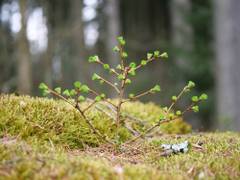
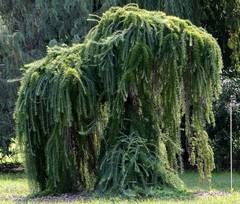
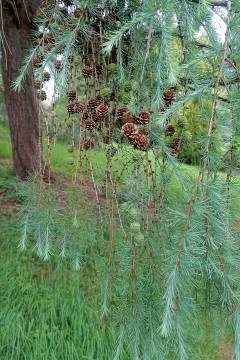
Larix kaempferi is Japanese larch (Kaempfer larch), a DECIDUOUS conifer growing 50-80 feet (15-24 m) tall and 25-40 feet (7.6-12 m) wide. Blue-green to gray-green soft needles 1-1.5 inches (2.5-4 cm) in rosettes of 20-40 on spur shoots. Turns golden-yellow to orange-gold in fall before dropping. Pink to red-purple female strobili in early spring. Brown cones 1-1.5 inches (2.5-4 cm) with reflexed scales. In Pinaceae. Named for Engelbert Kaempfer. The wider bluer needles and reflexed cone scales distinguish L. kaempferi from L. decidua (narrower green needles, straight scales). Native to central Honshu, Japan. Fast-growing (2-3 feet / 60-90 cm per year when young). The large mature size is the primary spatial limitation. Intolerant of hot humid summers. Non-toxic. Deer-resistant. Zones 3-7. Full sun. Growth rate is fast.
Native Range
Native to central Honshu, Japan. Found in mountain forests at 4,000-9,000 feet (1,200-2,700 m).Suggested Uses
Grown as a deciduous conifer specimen tree for four-season interest, spaced 25-40 feet (7.6-12 m). Golden fall color. Pink spring strobili. Not suitable for containers due to size. Non-toxic. Zones 3-7.How to Identify
Appearance
Size & Dimensions
Height50' - 80'
Width/Spread25' - 40'
Bloom Information
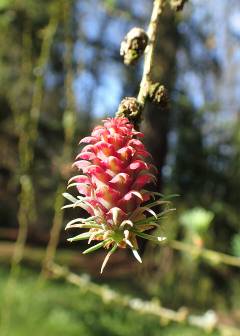
Early spring (March-April). Pink to red-purple female strobili (upright, 0.5 inch / 1.3 cm) and yellow male strobili at branch tips before leaf-out. 2 weeks. Wind-pollinated. Brown cones 1-1.5 inches (2.5-4 cm) with reflexed scales follow.
Detailed Descriptions
Flower Description
Pink to red-purple female strobili (upright, 0.5 inch / 1.3 cm) and small yellow male strobili at branch tips in March-April before leaf-out; followed by small brown cones 1-1.5 inches (2.5-4 cm) with reflexed (bent-back) scales — the reflexed scales are the key distinction from L. decidua (straight scales)Foliage Description
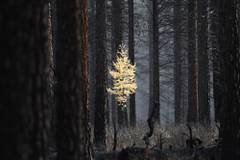
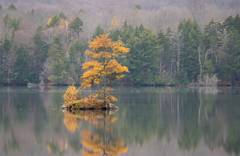
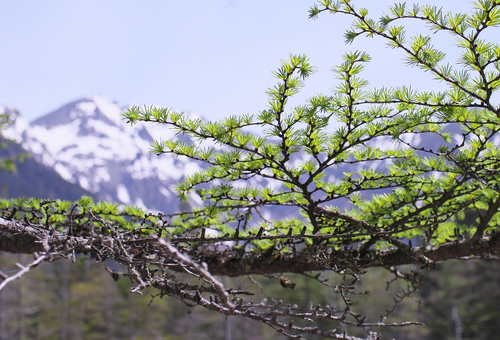
Blue-green to gray-green, soft needle-like, 1-1.5 inches (2.5-4 cm), in rosettes of 20-40 on short spur shoots and spirally on long shoots; wider and bluer than L. decidua (European larch); turns golden-yellow to orange-gold in fall before dropping — one of the few deciduous conifersGrowing Conditions
Sun Requirements
Requires 6-12 hours of direct sunlight daily
• Full Sun: 6+ hours of direct sunlight
• Partial Shade: 3-6 hours of direct sunlight
• Full Shade: Less than 3 hours of direct sunlight
Care & Maintenance
Care Guide
Full sun (6-12 hours). Well-drained soil pH 5.0-7.0. Medium water. Intolerant of hot humid summers. Fast-growing. The large size (50-80 feet / 15-24 m) requires ample space. Larch casebearer and canker are potential issues. Non-toxic. Deer-resistant. Zones 3-7.Pruning
Prune in winter dormancy (January-February) while leafless. Remove dead, crossing, or damaged branches. The natural pyramidal form requires minimal shaping. Do not remove the central leader.Pruning Schedule
Prune: January–February
winter