Image 1 of 13
1 / 13
Plant Reference
Larix, Genus, decidua, Species,
- Genus & species
European larch
Mountains of central Europe (Alps, Carpathians, Sudetes)
Overview
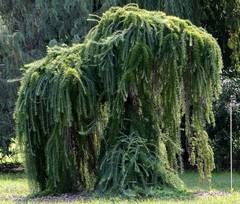
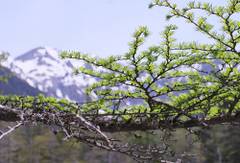
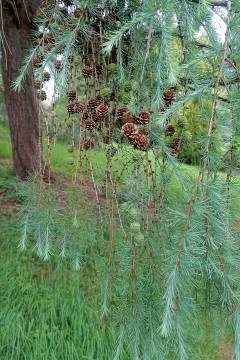
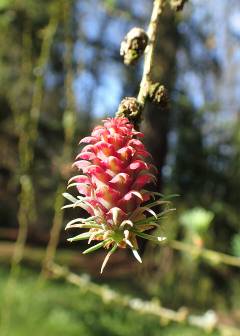
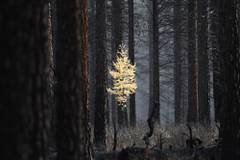
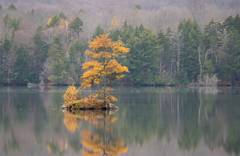
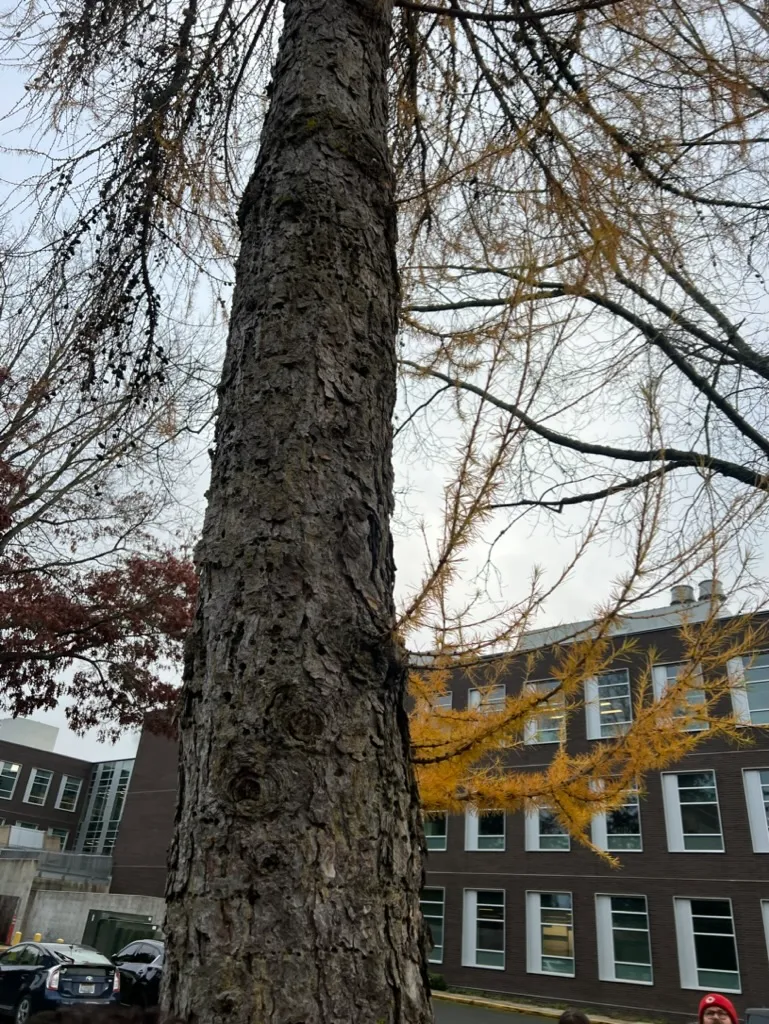
Larix decidua is a deciduous coniferous tree growing 50-80 feet (15-24 m / 600-960 inches) tall and 20-30 feet (6-9 m / 240-360 inches) wide. Soft bright green needles, 1-1.5 inches (2.5-4 cm), are borne in rosettes of 20-40 on spur shoots — the needles emerge in spring, turn golden-yellow in fall, and drop, leaving the tree bare through winter. The species is deciduous, a habit shared with only a few other conifer genera (Metasequoia, Taxodium, Pseudolarix) — a trait not found in most conifers. In early spring, pink to red female strobili, 0.5 inch (12 mm), appear erect on the branches alongside yellow pendant male strobili; the pink strobili are visible before the needles fully expand. Small brown cones, 1-1.5 inches (2.5-4 cm), persist on the branches after needle drop. The wood is highly rot-resistant — used for outdoor construction, boat building, and vineyard stakes. Native to the mountains of central Europe (Alps, Carpathians, Sudetes) at 3,000-7,500 feet (900-2,300 m). Tolerates extreme cold to USDA zone 2 but is intolerant of heat and humidity; the species declines in zones 7+ with hot summers. Full sun is required; shade produces sparse open growth. The specific epithet decidua references the deciduous habit. Non-toxic. Deer-resistant.
Native Range
Native to the mountains of central Europe (Alps, Carpathians, Sudetes) at 3,000-7,500 feet (900-2,300 m).Suggested Uses
Grown as a large specimen tree in cool-climate landscapes, spaced at intervals matching the 20-30 foot (6-9 m) mature spread. The bright green spring emergence, golden-yellow fall color, and bare winter silhouette give three-season interest. Not well-suited to hot humid summers. Non-toxic. Hardy in zones 2-6.How to Identify
Appearance
Size & Dimensions
Height50' - 80'
Width/Spread20' - 30'
Bloom Information
Early spring (March-April). Pink to red female strobili and yellow male strobili appear before needles fully expand. Small brown cones, 1-1.5 inches (2.5-4 cm), mature by fall. The golden-yellow fall color and the bare winter silhouette are the seasonal features.
Detailed Descriptions
Flower Description
female strobili pink to red, 0.5 inch (12 mm), erect; male strobili yellow, pendant; both appear in early spring before needles fully expandFoliage Description
bright green in spring and summer, turning golden-yellow in fall before dropping; soft needles 1-1.5 inches (2.5-4 cm) in rosettes of 20-40 on spur shootsGrowing Conditions
Sun Requirements
Requires 6-10 hours of direct sunlight daily
• Full Sun: 6+ hours of direct sunlight
• Partial Shade: 3-6 hours of direct sunlight
• Full Shade: Less than 3 hours of direct sunlight
Care & Maintenance
Care Guide
Site in full sun (6-10 hours) in well-drained loam with a pH of 5.5-7.0. Shade produces sparse open growth. Intolerant of heat and humidity; the species declines in zones 7+ with hot summers. Tolerates extreme cold to USDA zone 2. Deciduous — drops needles in fall as part of the normal seasonal cycle. Fast-growing when young at 24-36 inches (60-90 cm) per year. Non-toxic. Deer-resistant. Hardy in zones 2-6.Pruning
No pruning is required; the pyramidal form develops naturally. The central leader should not be removed — topping destroys the conical silhouette. Remove dead branches in winter (January-February) when the tree is leafless. The bare winter silhouette is part of the seasonal cycle.Pruning Schedule
Prune: January–February
winter