Larix, Genus, kaempferi, Species, 'Diana', Cultivar,
- Genus & species
- Cultivar
diana larch
Central Honshu, Japan (4000-9000 ft / 1200-2700 m); 'Diana' selected in Germany 1970s
Overview
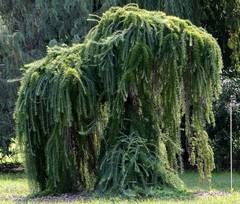
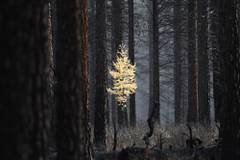
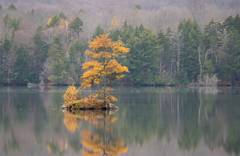
Larix kaempferi 'Diana' is a deciduous conifer reaching 15–25 feet (4.5–7.5 m) tall with a spread of 8–12 feet (2.4–3.6 m) across 15–20 years of growth—a mature footprint roughly half to two-thirds the size of the straight species type. The defining character is the contorted branching habit: the branches and shoots spiral and corkscrew rather than growing along a straight axis, and the sculptural silhouette reads year-round but carries the most architectural weight in winter after needle drop reveals the bare twisted stems. Soft flat needles 1–1.5 inches (2.5–4 cm) long are arranged in rosettes of 20–40 needles on short spur shoots, bright green through spring and summer, turning golden-yellow in October and November before the deciduous needle drop. Small upright rosette-shaped female cones 1–1.5 inches (2.5–4 cm) long carry reflexed scale tips that recurve outward and persist on the branches after seed release. Growth rate runs slow to moderate—slower than the straight species because the contorted shoots elongate less each season. Hardy to zone 4.
Native Range
Larix kaempferi is native to the mountains of central Honshu, Japan, growing at 4,000–9,000 feet (1,200–2,700 m) elevation in subalpine conifer forests alongside Abies mariesii and Pinus parviflora. 'Diana' is a cultivar selection made in Germany during the 1970s, isolated from the species for its spontaneous contorted branching mutation and propagated through grafting onto straight-species rootstock for the ornamental nursery trade.Suggested Uses
Planted as a specimen tree in garden positions where the contorted branching reads clearly—walk-around placements in lawn openings, positioning against winter sky lines, or siting near architectural backdrops that frame the sculptural silhouette. Winter viewing positions visible from indoor windows or along regularly-used walkways capture the cultivar's peak ornamental moment, when the bare contorted form carries the entire visual display. Golden autumn needle color supplies a second season of interest before winter bareness. Slower-growing than the straight species. Shade, screening applications (deciduous needle drop), wet soils, and positions where the winter silhouette cannot be observed are poor fits for the cultivar.How to Identify
Appearance
Size & Dimensions
Height15' - 25'
Width/Spread8' - 12'
Bloom Information
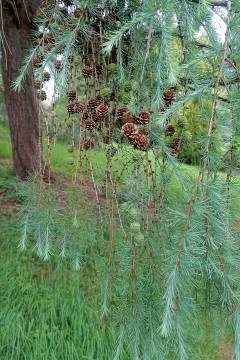
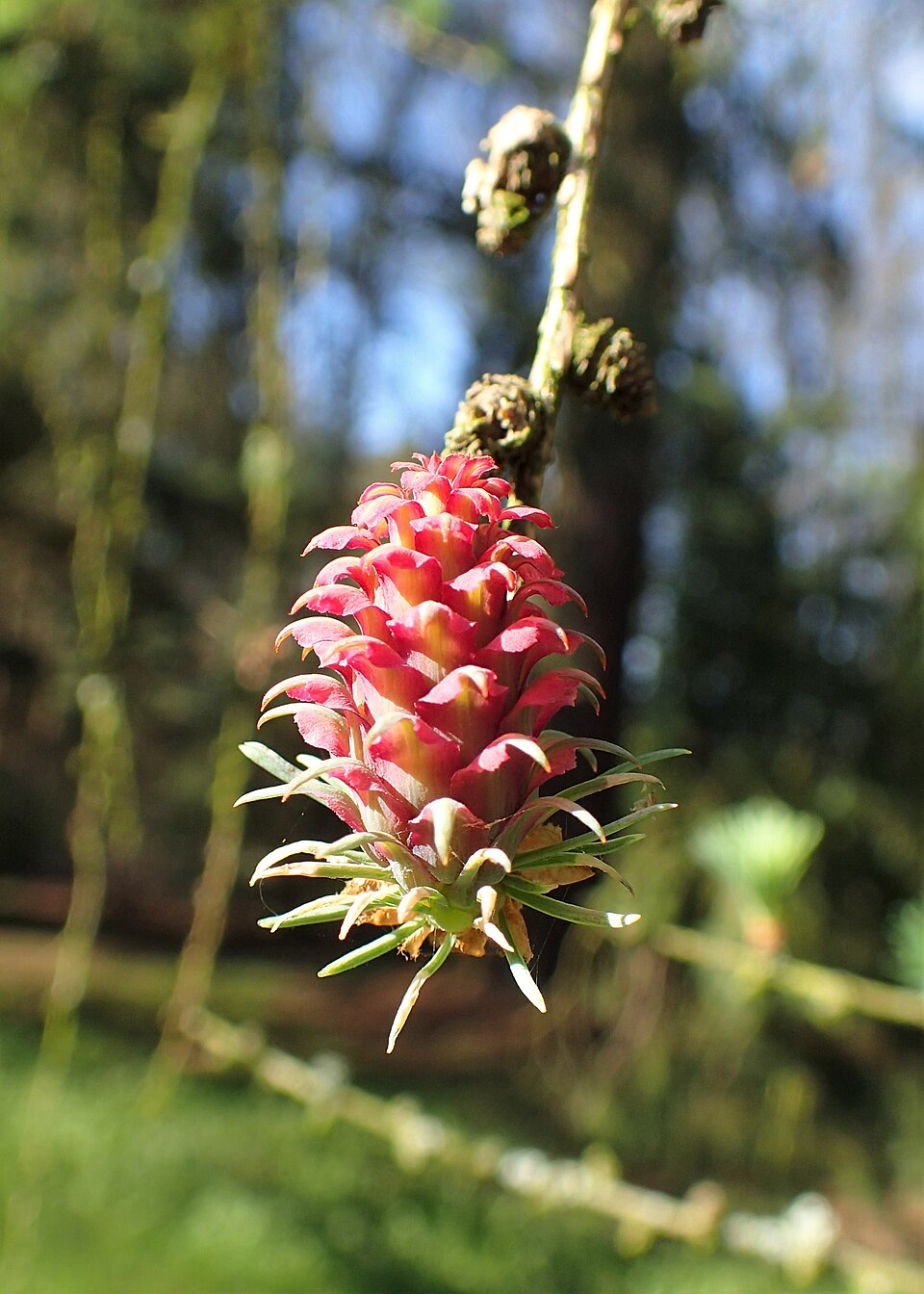
Male strobili are small pendant yellow structures that release pollen in March–April before the full needle flush. Female cones are small upright rosette-shaped structures 1–1.5 inches (2.5–4 cm) long with reflexed scale tips—the recurved scale tips are a reliable diagnostic character separating Larix kaempferi from the European larch L. decidua. Cones persist on the branches for several years after seed release and carry a secondary ornamental value through the deciduous winter season.
Detailed Descriptions
Flower Description
Male strobili yellow pendant; female cones rosette-shaped 1-1.5 inches with reflexed scale tips; persistentFoliage Description
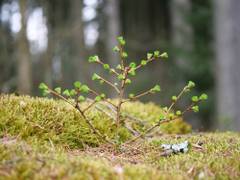
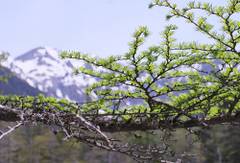
Bright green soft flat needles 1-1.5 inches in rosettes of 20-40 on spur shoots; golden-yellow autumn color before dropGrowing Conditions
Sun Requirements
Requires 6-12 hours of direct sunlight daily
• Full Sun: 6+ hours of direct sunlight
• Partial Shade: 3-6 hours of direct sunlight
• Full Shade: Less than 3 hours of direct sunlight