Kalmia, Genus, angustifolia, Species,
- Genus & species
sheep laurel
Overview
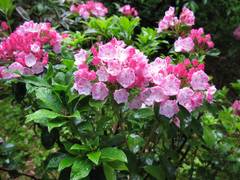
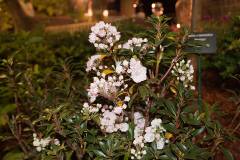
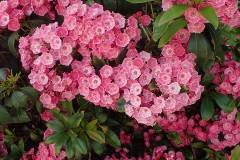
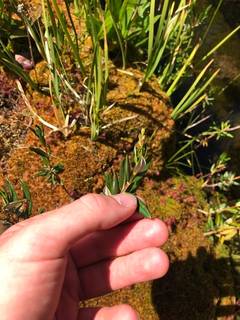
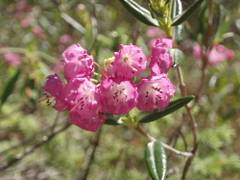
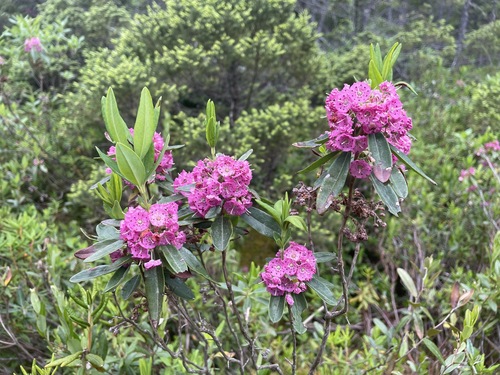
Kalmia angustifolia is a low, evergreen shrub of the heath family, growing 1-3 feet (30-90 cm) tall and spreading to form loose colonies by underground runners. The narrow, leathery leaves are 1-2.5 inches (2.5-6 cm) long, opposite or in threes, dark green above and pale beneath, and tend to droop in cold weather. In early summer clusters of small saucer-shaped flowers, deep pink to crimson and 0.3-0.5 inch (8-12 mm) across, open along the stem below the current year's new growth. Each flower holds its ten stamens under tension in small pouches; a visiting insect springs them to fling pollen. The dry seed capsules persist into winter. All parts contain grayanotoxins and are poisonous to sheep, cattle, and other livestock, the source of the common name lambkill. It grows in acidic bogs, barrens, and open woods, tolerating wet or dry infertile soil, but declines in rich, limy, or shaded ground.
Native Range
Native to eastern North America, from Labrador and Newfoundland west to Ontario and south through New England to Virginia and the Appalachian region. It is common on acidic peatlands, heaths, and sandy barrens.Suggested Uses
Grown in bog gardens, heath and moorland plantings, and naturalized acidic borders, spaced 18-24 inches (45-60 cm) apart. The low, spreading habit suits groundcover and erosion control on damp, acid soils.How to Identify
Appearance
Size & Dimensions
Height1' - 3'
Width/Spread2' - 3'
Bloom Information
Blooms in early to midsummer, roughly June and July. The deep pink to crimson flowers open in tight clusters along the previous year's stems. Flowering lasts about 2-3 weeks.
Detailed Descriptions
Flower Description
deep pink to crimsonFoliage Description
dark greenGrowing Conditions
Sun Requirements
Requires 4-8 hours of direct sunlight daily
• Full Sun: 6+ hours of direct sunlight
• Partial Shade: 3-6 hours of direct sunlight
• Full Shade: Less than 3 hours of direct sunlight
Care & Maintenance
Care Guide
Grows in full sun to part shade on consistently moist, acidic soil with a pH of 4.0-5.5 and good organic content. It tolerates boggy ground, sandy barrens, and poor fertility but fails in alkaline or rich soil. A mulch of pine needles or peat helps keep the shallow roots cool and moist. Plants spread by rhizomes to form patches and can be slow to establish. In zones 2-8 the shrub is fully cold hardy. All parts are toxic to livestock, which limits its use in pasture areas.Pruning
Prune lightly after flowering to shape the plant and remove spent flower clusters and dead wood. Older, leggy stems can be cut back hard to renew dense growth, as plants resprout from the base. Rhizomatous spread can be reduced by cutting back runners at the edge of the patch.Pruning Schedule
Prune: July
summer