Iris, Genus, tenax, Species,
- Genus & species
Oregon flag iris
Overview
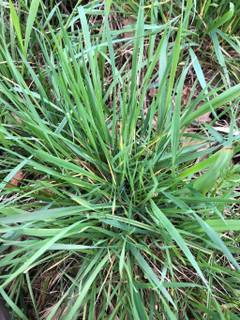
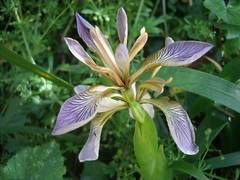
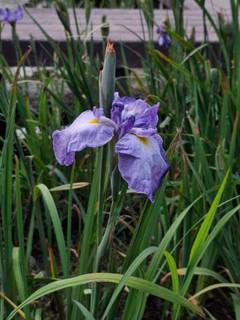
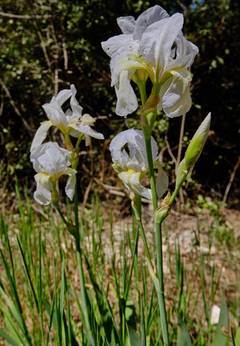
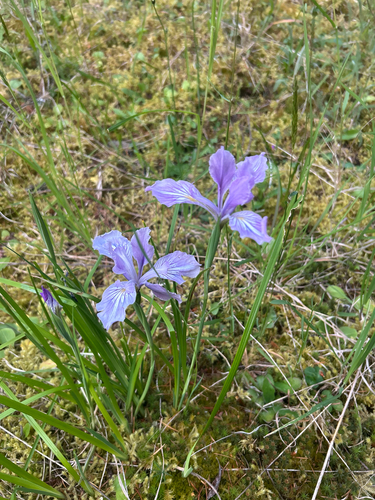
Iris tenax is a clump-forming rhizomatous perennial reaching 8-16 inches (20-40 cm) tall in flower and 12-18 inches (30-45 cm) wide at maturity. Leaves grass-like, narrow (0.1-0.2 inch / 3-5 mm wide) and 8-16 inches (20-40 cm) long, medium green with reddish bases, deciduous in cold climates and semi-evergreen in zones 8-9. Flowers lavender to deep purple (occasionally white, cream, or yellow in wild populations), 2.5-3.5 inches (6-9 cm) across, borne singly or in pairs on short stems just above the foliage from April through June. Three drooping falls are veined with darker purple over a yellow signal patch; three upright standards are slightly smaller. Rhizomes are tough and fibrous (the species epithet tenax translates as tough); historically used by Pacific Northwest indigenous peoples for cordage. Spreads slowly to form patches 12-18 inches (30-45 cm) wide in 4-6 years. Foliage yellows by midsummer in dry sites and may remain dormant until fall rains return.
Native Range
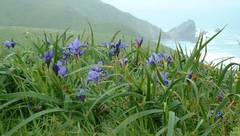
Native to dry to seasonally moist meadows, open oak woodlands, and forest edges in western Oregon and southwestern Washington, with disjunct populations in northwestern California. Occurs at elevations from sea level to 4,500 feet (1,370 m) on well-drained gravelly or clay-loam soils.Suggested Uses
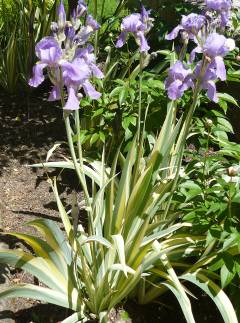
Planted in dry meadow plantings, restoration sites, and rock gardens at 8-12 inch (20-30 cm) spacing in zones 6-9. Used as a low-maintenance native iris in PNW gardens that receive no summer water. Grows in containers of at least 1 gallon (3.8 L) with a free-draining gritty mix; container plants need supplemental water more frequently than in-ground plants.How to Identify
Appearance
Size & Dimensions
Height8" - 1'4"
Width/Spread1' - 1'6"
Bloom Information
April through June across most of the species range, with peak bloom in May. Bloom begins 1-2 weeks earlier in coastal sites and along the Columbia River corridor than in the foothills of the Coast Range. Individual flowers last 2-3 days; full clump bloom spans 3-4 weeks. Cool overcast springs extend bloom by 1 week.
Detailed Descriptions
Flower Description
Lavender to deep purpleFoliage Description
Medium green with reddish basesGrowing Conditions
Sun Requirements
Requires 4-8 hours of direct sunlight daily
• Full Sun: 6+ hours of direct sunlight
• Partial Shade: 3-6 hours of direct sunlight
• Full Shade: Less than 3 hours of direct sunlight
Care & Maintenance
Care Guide
Establishes within one growing season in well-drained gravelly or clay-loam soil with weekly water through the first summer. Tolerates summer dry conditions once established and may go dormant from July through September in deep drought; foliage returns with fall rains. Crown rot develops in soils that stay saturated in winter; raised beds or sloped sites with gravel mulch prevent this. Snails and slugs feed on emerging spring foliage in wet seasons. Iris borer is uncommon in this species west of the Cascades. Divide congested clumps in early autumn every 5-6 years.Pruning
Cut spent flower stems at the base after bloom ends. Yellowing summer foliage is left in place to allow nutrient reabsorption to the rhizome and is removed only after it is fully brown. Healthy green leaves are not cut during dormancy preparation in late summer.Pruning Schedule
Prune: June
summer
Container Growing
Suitable for container growing
Minimum container size: 1 gallons