Iris, Genus, setosa, Species,
- Genus & species
beachhead iris
Circumpolar (Alaska, Yukon, eastern Canada, maritime Russia, northern Japan)
Overview
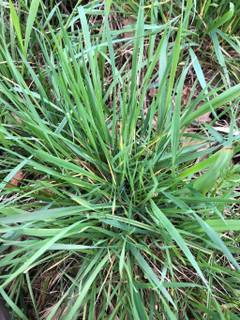
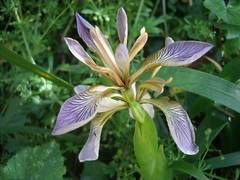
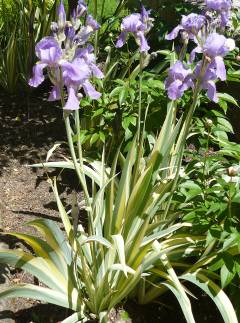
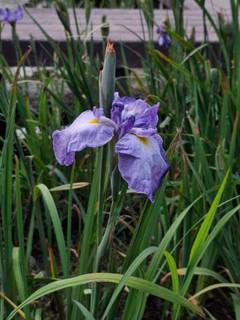
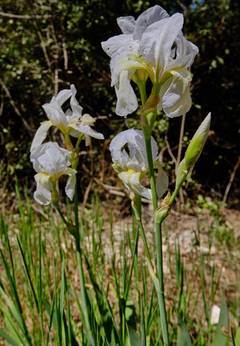
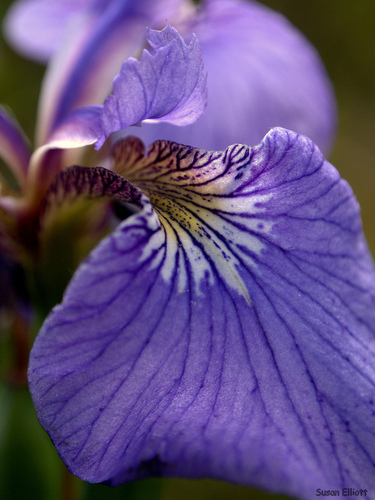
Iris setosa is a clump-forming rhizomatous perennial reaching 6-30 inches (15-75 cm) tall and 12-18 inches (30-45 cm) wide depending on subspecies and site conditions. Leaves sword-shaped, 0.4-0.8 inch (10-20 mm) wide and 8-24 inches (20-60 cm) long, blue-green with a pale waxy bloom and arranged in flat fans from the rhizome. Flowers blue-violet to red-violet (occasionally white in some forms), 2-4 inches (5-10 cm) across, with three large drooping falls and three reduced bristle-like standards 0.2-0.4 inch (5-10 mm) long that distinguish this species from most other irises. Bloom occurs from late May through July, with each crown producing 1-3 flowering scapes bearing 2-3 flowers each. Rhizomes are slender (0.2-0.4 inch / 5-10 mm thick) and spread 1-2 inches (2.5-5 cm) per year, forming patches 12-18 inches (30-45 cm) across in 4-5 years. Foliage yellows and dies back by mid-September in cold climates. Susceptible to iris borer in eastern North America where the pest is established.
Native Range
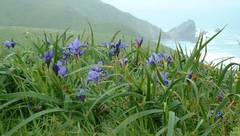
Native to coastal meadows, bogs, and wet tundra across northern circumpolar regions including Alaska, the Aleutian Islands, Yukon, eastern Canada (Quebec, Newfoundland and Labrador), maritime Russia, and northern Japan. Found from sea level to 3,000 feet (900 m) elevation in moist to wet soils.Suggested Uses
Planted in pond margins, rain gardens, and moist meadow plantings at 12-18 inch (30-45 cm) spacing. Compact dwarf forms (subsp. canadensis at 6-12 inches / 15-30 cm) are used in alpine troughs and small rock garden depressions where soil stays consistently moist. Grows in containers of at least 3 gallons (11 L) with a heavy loam or clay-loam mix; ordinary potting mix dries too quickly between waterings.How to Identify
Appearance
Size & Dimensions
Height6" - 2'6"
Width/Spread1' - 1'6"
Bloom Information
Late May through July across its range, peaking in June at low elevations and in July in sub-arctic and high-elevation sites. In zones 8-9, bloom begins in late April. Individual flowers last 2-3 days; full clump bloom extends 2-3 weeks per plant. Cool overcast springs extend bloom by 1 week.
Detailed Descriptions
Flower Description
Blue-violet to red-violetFoliage Description
Blue-green with pale waxy bloomGrowing Conditions
Sun Requirements
Requires 4-8 hours of direct sunlight daily
• Full Sun: 6+ hours of direct sunlight
• Partial Shade: 3-6 hours of direct sunlight
• Full Shade: Less than 3 hours of direct sunlight
Care & Maintenance
Care Guide
Establishes within one growing season in moisture-retentive soils with weekly water through the first summer. Tolerates seasonal flooding and standing water 2-4 inches (5-10 cm) deep for short periods but rots in soils that remain anaerobic year-round. Tolerates 2-3 weeks without rain once established but goes dormant earlier in dry summers. Iris borer larvae tunnel into rhizomes from late spring through summer in eastern North America; affected rhizomes are dug, the larvae cut out, and clean rhizome sections replanted. Bacterial soft rot follows borer damage in warm wet conditions. Divide congested clumps in late summer every 4-5 years to maintain bloom.Pruning
Remove yellowing leaves at the base in autumn to reduce overwintering sites for iris borer in regions where the pest occurs. Cut spent flower scapes at the base after bloom ends. Healthy green foliage is left standing through summer and not cut back until natural senescence in September.Pruning Schedule
Prune: June & October
summerfall
Container Growing
Suitable for container growing
Minimum container size: 3 gallons