Iris, Genus, missouriensis, Species,
- Genus & species
western blue flag iris
Overview
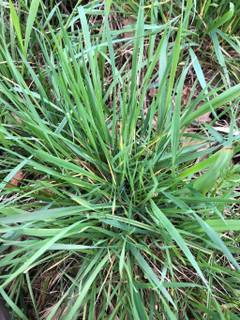
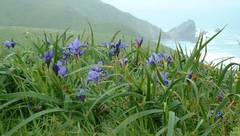
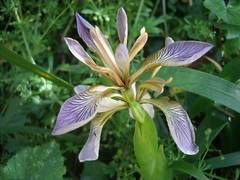
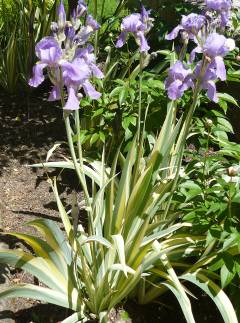
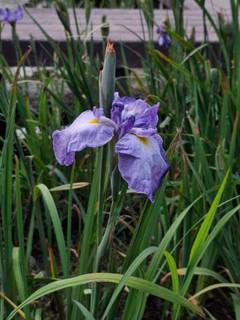
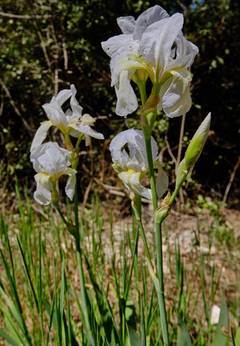
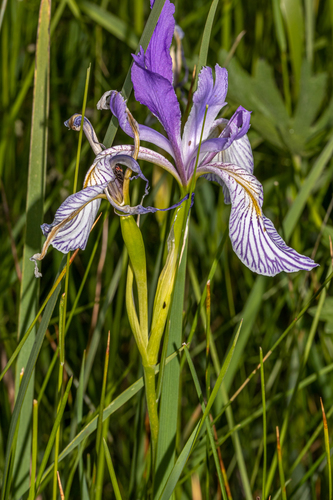
Iris missouriensis is a rhizomatous perennial iris reaching 8-24 inches (20-60 cm) tall in flower and forming clumps 12-24 inches (30-60 cm) wide via slowly creeping rhizomes. Leaves are basal, sword-shaped, and held in a flat fan; blades are 0.2-0.5 inch (5-12 mm) wide and 6-18 inches (15-45 cm) long, blue-green to gray-green. Flower stems hold 1-4 flowers per stalk; flowers are 2.5-3.5 inches (6-9 cm) across, pale lavender-blue to medium blue-violet with darker purple veining and a yellow signal patch on each fall (lower petal). Standards (upper petals) are smaller and more erect than falls. Bloom occurs from May through July depending on elevation. Fruits are oblong capsules 1-2 inches (2.5-5 cm) long that split into 3 chambers releasing flat brown seeds in August-September. Plants tolerate seasonal flooding in spring and dry, dormant summer conditions; foliage browns by midsummer in dry climates and is replaced in fall. Plants persist 10-25 years in stable meadow sites and spread slowly outward at 1-2 inches (2.5-5 cm) per year.
Native Range
Native to western North America from southern British Columbia and Alberta south through California, Arizona, and New Mexico, and east into the western Dakotas. Found in seasonally moist meadows, vernal swales, stream margins, and sagebrush-bordered wet flats at 3,000-9,500 feet (900-2,900 m) elevation, generally absent from coastal lowlands.Suggested Uses
Used in seasonal wet meadow plantings, native iris collections, rain gardens, and dryland-meadow border edges at 12-18 inch (30-45 cm) spacing. Suited to rock gardens with seasonal supplemental moisture, prairie restorations, and inland montane gardens. Performs poorly in conventional irrigated borders, coastal climates, and warm-summer climates south of zone 8.How to Identify
Appearance
Size & Dimensions
Height8" - 2'
Width/Spread1' - 2'
Bloom Information
Flowers open from late May through early July across most of the range, with peak bloom in June at mid-elevations and into early July in subalpine meadows. Individual flowers last 2-4 days; total bloom period extends 2-3 weeks per plant. Bloom timing tracks soil moisture; dry years compress the bloom window to 10-14 days. Reblooming is uncommon. Capsules ripen 6-8 weeks after flowering.
Detailed Descriptions
Flower Description
pale lavender-blue to blue-violet with darker veins and yellow signalFoliage Description
blue-green to gray-green; sword-shaped fansGrowing Conditions
Sun Requirements
Requires 6-12 hours of direct sunlight daily
• Full Sun: 6+ hours of direct sunlight
• Partial Shade: 3-6 hours of direct sunlight
• Full Shade: Less than 3 hours of direct sunlight
Care & Maintenance
Care Guide
Plants require seasonal moisture during winter and spring, with rhizomes tolerating standing water 2-4 inches (5-10 cm) deep through April. Summer dormancy with reduced moisture is required; rot occurs in continuously irrigated borders, with decline within 1-2 seasons. Iris borers (Macronoctua onusta) can damage rhizomes in eastern garden plantings; the species is less susceptible than bearded irises. Plants self-sow modestly in bare moist soil. Crowns are typically divided every 5-7 years to maintain bloom; division is done in late summer after foliage has died back. All parts contain irisin and other glycosides; ingestion causes gastrointestinal distress in humans, dogs, cats, and livestock.Pruning
Cut spent flower stems at the base after bloom, or leave seed capsules to ripen for natural reseeding. Remove dead foliage in late summer after summer dieback; new fall foliage replaces old leaves. Damaged or rust-affected leaves can be cut back during the growing season.Pruning Schedule
Prune: August–September
summerfall
Container Growing
Suitable for container growing
Minimum container size: 5 gallons