Image 1 of 2
1 / 2
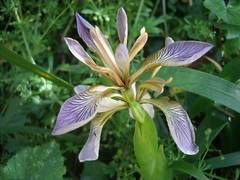
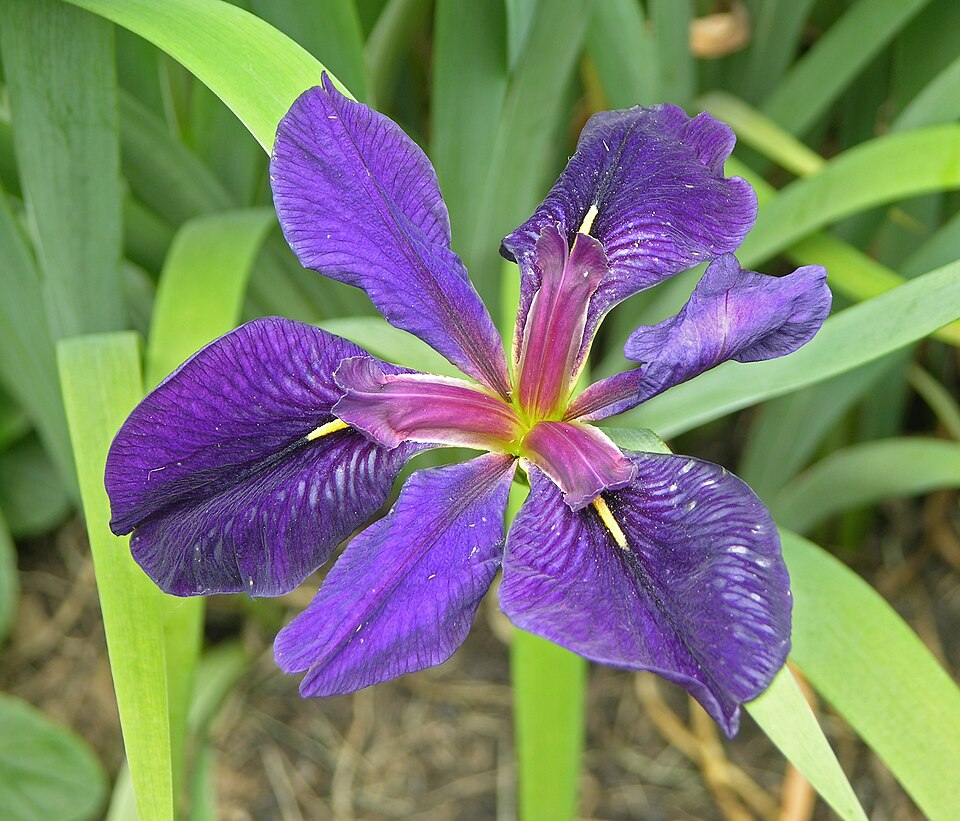
© Photo by and (c)2007 Derek Ramsey (Ram-Man). Co-attribution must be given to the Chanticleer Garden., some rights reserved (CC-BY-SA) · Wikimedia Commons
Iris, Genus, louisiana, Species, 'Black Gamecock', Cultivar,
- Genus & species
- Cultivar
black gamecock Louisiana iris
Gulf Coast of the United States (Louisiana iris group)
Overview
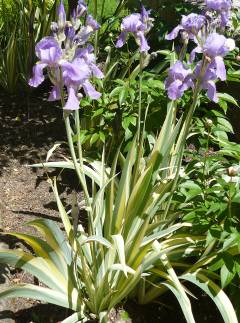
Iris 'Black Gamecock' is a Louisiana iris, growing 24–36 inches (60–90 cm) tall and 18–24 inches (45–60 cm) wide. Deep blue-violet to near-black flowers 4–5 inches (10–13 cm) with a yellow signal (stripe) on the falls — the dark color is among the deepest in the Iris genus. Louisiana irises are a group of five species native to the Gulf Coast of the United States (I. fulva, I. brevicaulis, I. giganticaerulea, I. hexagona, I. nelsonii). 'Black Gamecock' is a hybrid within this group. Grows from fibrous rhizomes planted 1–2 inches (2.5–5 cm) deep (shallow, like bearded iris). Tolerates standing water and boggy conditions — native to swamps, bayous, and wet meadows of the Gulf Coast. Broader soil pH tolerance (5.5–7.0) than Japanese iris (I. ensata), which requires strongly acidic conditions (pH 5.0–6.5). Full sun to partial shade. Deciduous. Mildly toxic to dogs and cats. Deer-resistant. Zones 4–9 — hardier than the native Gulf Coast range would suggest. Iris borer in northern regions. The sword-shaped foliage remains through summer after flowering. Divide every 3–4 years. Growth rate is moderate. Suited to pond margins, rain gardens, and consistently moist borders. Containers of 3+ gallons (12+ liters) kept in water-filled saucers.
Native Range
Louisiana irises are native to the Gulf Coast of the United States, from Texas east to Florida, growing in swamps, bayous, and wet meadows. Five species comprise the group.Suggested Uses
Grown at pond margins, in rain gardens, and in consistently moist borders in zones 4–9, spaced 18–24 inches (45–60 cm) apart. Containers of 3+ gallons (12+ liters) kept in water-filled saucers. Native Gulf Coast iris group. Deer-resistant. Mildly toxic to pets.How to Identify
Appearance
Size & Dimensions
Height2' - 3'
Width/Spread1'6" - 2'
Bloom Information
Detailed Descriptions
Flower Description
Deep blue-violet to near-blackFoliage Description
Medium green, sword-shaped, narrowGrowing Conditions
Sun Requirements
Requires 4-8 hours of direct sunlight daily
• Full Sun: 6+ hours of direct sunlight
• Partial Shade: 3-6 hours of direct sunlight
• Full Shade: Less than 3 hours of direct sunlight
Care & Maintenance
Care Guide
Full sun to partial shade. Consistently moist to wet conditions — tolerates standing water and boggy soil. Broader pH tolerance (5.5–7.0) than Japanese iris. Plant rhizomes 1–2 inches (2.5–5 cm) deep. Divide every 3–4 years. Mildly toxic to pets. Deer-resistant. Iris borer in northern regions. Native. Zones 4–9.Pruning
Remove spent flower stems at the base. Leave foliage through summer. Cut foliage to 6 inches (15 cm) in late fall after it yellows. Divide clumps every 3–4 years in late summer.Pruning Schedule
Prune: October
fall
Container Growing
Suitable for container growing
Minimum container size: 3 gallons