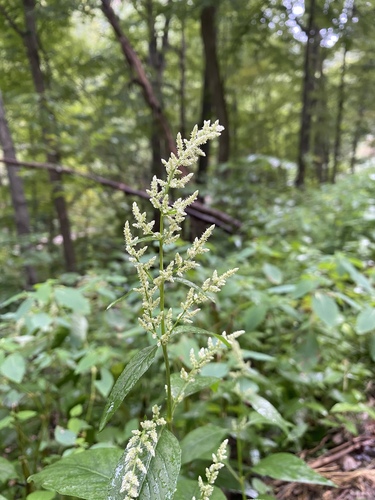
Iresine, Genus, spp., Multiple species,
- Genus
- Multiple species
bloodleaves
Overview
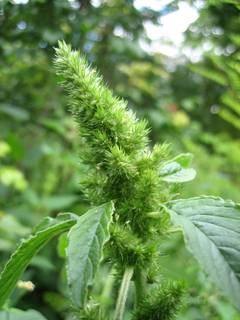
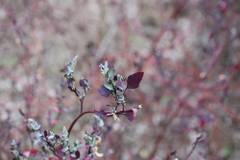
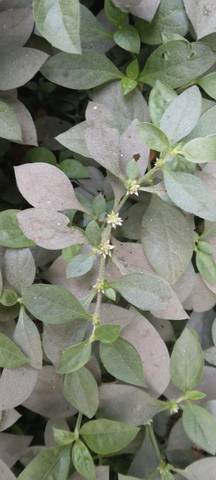
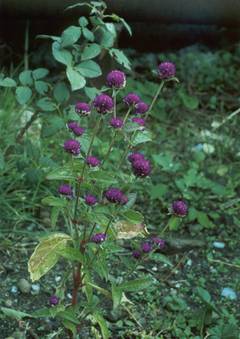
Iresine is a genus of about 20 to 30 species of herbaceous perennials and subshrubs in the amaranth family, Amaranthaceae, native mainly to the warmer parts of the Americas. Most species grown in gardens are raised for their colored leaves rather than their flowers. I. herbstii, bloodleaf, has rounded leaves with a notched tip in deep red to purple with brighter pink or yellow veins, while I. diffusa and others carry green leaves with paler veining. Plants typically grow 12–24 inches (30–60 cm) tall, though some scramble or climb to several feet in frost-free conditions. The stems are often red and somewhat fleshy. Flowers are small, greenish-white, and crowded into slender spikes, carrying little visual weight beside the foliage. Iresine is frost-tender and grown as a summer bedding plant, houseplant, or container subject outside the tropics, lasting one season where frost occurs. Leaf color holds deepest in bright light and fades toward green in shade. Plants grow fast in warmth and root readily from cuttings, which is how named foliage forms are kept true.
Native Range
Iresine is native to tropical and subtropical America, from the southern United States through Mexico, the Caribbean, and into South America. Species grow in open woodland, thickets, and disturbed ground, often in moist, partly shaded sites.Suggested Uses
Iresine is grown as summer bedding for blocks of red or purple foliage, as edging, and in mixed containers with green- and silver-leaved plants. Indoors it is used as a colored-leaf houseplant in bright rooms. In frost-free gardens it is spaced 10–18 inches (25–45 cm) apart in beds or used as a low informal groundcover.How to Identify
Appearance
Size & Dimensions
Height1' - 2'
Width/Spread1' - 2'
Bloom Information
Iresine flowers in late summer and autumn in warm climates, producing slender spikes of small greenish-white flowers. As bedding or houseplants outside the tropics, plants are often pinched to stay leafy and may not flower at all. The bloom adds little color, as the genus is grown chiefly for foliage.
Detailed Descriptions
Foliage Description
deep red, purple, or green with contrasting veinsGrowing Conditions
Sun Requirements
Requires 4-10 hours of direct sunlight daily
• Full Sun: 6+ hours of direct sunlight
• Partial Shade: 3-6 hours of direct sunlight
• Full Shade: Less than 3 hours of direct sunlight
Care & Maintenance
Care Guide
Iresine grows in full sun to part shade and moist, free-draining soil enriched with organic matter, at a pH of 6.0–7.0. Bright light keeps the red and purple leaf colors strong, while deep shade turns them dull green. The genus needs warmth and even moisture, with growth slowing below about 60°F (16°C) and tissue damaged by frost. Regular pinching of the shoot tips keeps plants bushy and prevents legginess. As a houseplant it needs a bright spot, steady moisture, and moderate humidity. Cuttings root quickly in warm conditions and are the usual way to carry named forms through winter.Pruning
Iresine is pinched rather than pruned, with shoot tips removed through the growing season to build a dense, branching plant. Cutting back leggy stems by half forces fresh, brightly colored growth from lower down. Old or faded shoots are removed at any time in warm weather.Container Growing
Suitable for container growing
Minimum container size: 1 gallons