Alternanthera, Genus, ficoidea, Species,
- Genus & species
Joseph's coat
SunFull Sun – Part Shade
WaterMedium
Overview
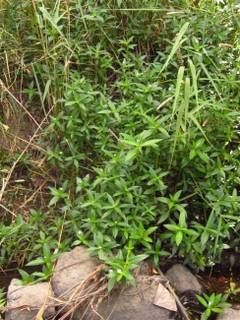
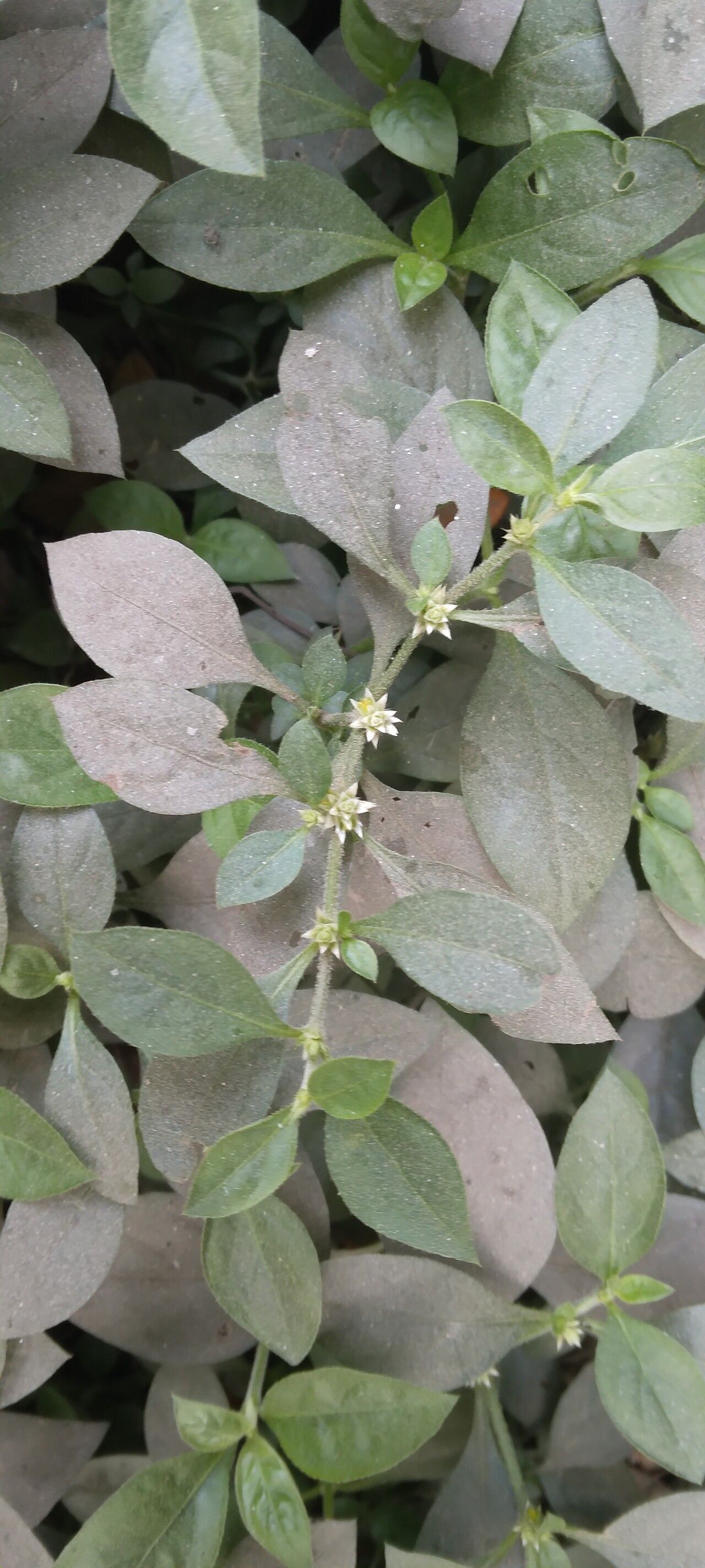
Alternanthera ficoidea is a tender perennial typically grown as an annual, reaching 6-18 inches (15-45 cm) tall and 12-18 inches (30-45 cm) wide depending on cultivar. Habit is mounding to spreading with branching stems that root at nodes when in contact with moist soil. Leaves are the primary feature: opposite, lance-shaped to spatulate, 1-3 inches (2.5-7.5 cm) long, with cultivar colors ranging from yellow-green and chartreuse through orange, copper, red, magenta, and burgundy; many cultivars have variegated leaves with pink, cream, or yellow patches. Flowers are inconspicuous — small whitish clusters in leaf axils — and form sparingly in temperate climate annual culture. Stems are slender and slightly hairy. Growth is moderate to fast at 6-10 inches (15-25 cm) of new growth per month during warm weather. Frost-tender: foliage damages below 40°F (4°C) and the plant dies to the roots at 32°F (0°C). In zones 10-11 the plant overwinters as a low evergreen groundcover. Cultivars vary in habit from compact mounding forms 6 inches (15 cm) tall used for bedding and edging to trailing forms 12-18 inches (30-45 cm) used for hanging baskets and container spillers. Color intensity is highest in full sun; partial shade reduces red and orange pigmentation. Foliage of A. ficoidea is sometimes confused with A. brasiliana, which has larger leaves to 4 inches (10 cm) and a more upright habit.
Native Range
Native to Brazil and other parts of tropical South America, where it grows in moist disturbed soils, riverbanks, and forest edges at low to moderate elevations.Suggested Uses
Used as a bedding annual in massed plantings, edging, and parterre designs at 8-12 inch (20-30 cm) spacing. Container culture in 1+ gallon (4+ liter) pots as a foliage filler or trailing spiller in mixed plantings; combines with petunias, calibrachoa, and ornamental grasses. In zones 10-11 used as a low evergreen groundcover at 12-15 inch (30-38 cm) spacing.How to Identify
Appearance
Size & Dimensions
Height6" - 1'6"
Width/Spread1' - 1'6"
Bloom Information
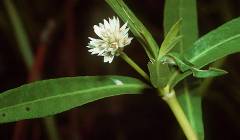
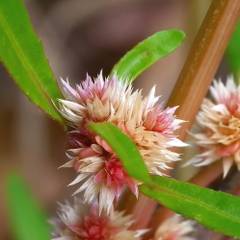
Flowers are inconspicuous and the species is grown for foliage color rather than bloom. In zones 10-11 small whitish flower clusters may appear in leaf axils from late summer through fall. In annual culture (zones 3-9) the plant is typically pinched and sheared frequently for foliage display, which suppresses flowering.
Detailed Descriptions
Flower Description
White, inconspicuousFoliage Description
Variable: chartreuse, orange, red, copper, magenta; often variegated with pink, cream, or yellowGrowing Conditions
Sun Requirements
Requires 6-10 hours of direct sunlight daily
• Full Sun: 6+ hours of direct sunlight
• Partial Shade: 3-6 hours of direct sunlight
• Full Shade: Less than 3 hours of direct sunlight
Care & Maintenance
Care Guide
Water 1-2 times per week during the growing season; the plant tolerates short periods of drought once established but foliage color dulls and lower leaves drop in prolonged dry periods. A balanced 10-10-10 fertilizer applied at half strength every 4-6 weeks maintains foliage color; high nitrogen fertilizers promote green growth at the expense of red and orange pigmentation. Spider mites occur in hot dry conditions, particularly on container plants brought indoors. Aphids cluster on new growth tips in spring. Plants are killed by the first hard frost and are typically replaced annually in zones 3-9. In zones 10-11 the plant persists as a low evergreen groundcover but may be cut back hard in late winter to refresh foliage.Pruning
Pinching shoot tips every 2-3 weeks during the growing season maintains compact habit and intensifies branching. Shearing back by one-third in midsummer when growth thins refreshes the foliage display. Trailing cultivars in containers benefit from light tip-pinching to maintain shape; aggressive shearing reduces the cascading length.Container Growing
Suitable for container growing
Minimum container size: 1 gallons
Toxicity
Non-toxicPlanting Guide
Planting Methods & Timing
Planting Method
transplant
Indoor Start
8 weeks before last frost
Direct Sow Timing
rarely direct-sown; typically transplanted from cuttings or starts after last frost
Plant Spacing
10 inches