Amaranthus, Genus, retroflexus, Species,
- Genus & species
redroot pigweed
Tropical and subtropical Americas; naturalized worldwide on every continent except Antarctica
SunFull Sun
Overview
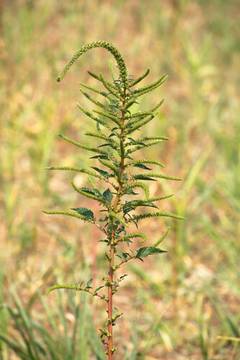
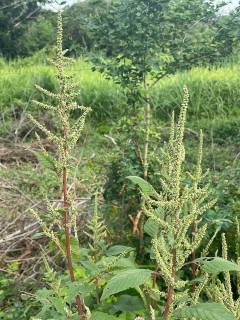
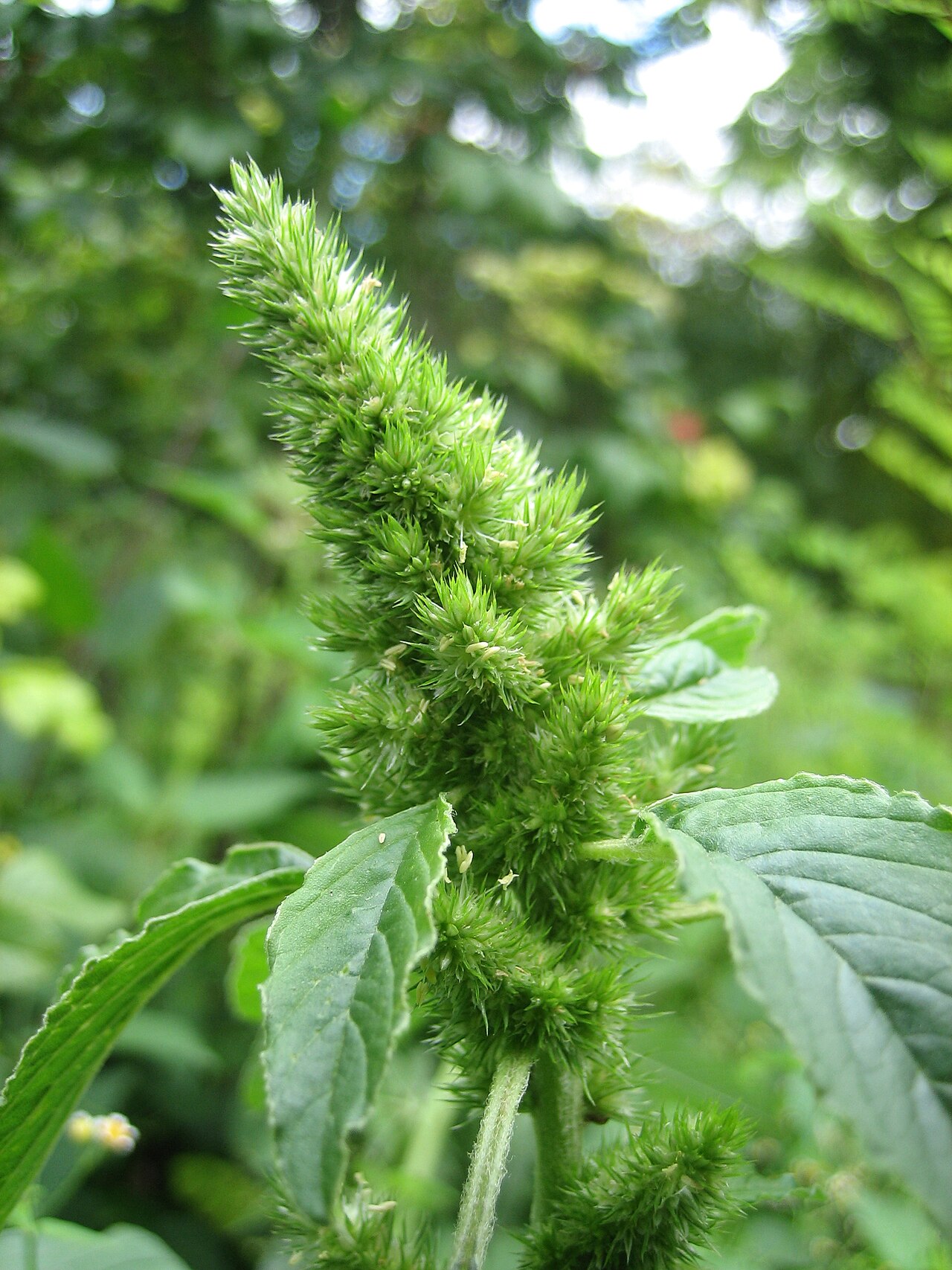
Amaranthus retroflexus is a summer annual in the family Amaranthaceae reaching 12–72 inches (30–180 cm) tall. Stems are erect, stout, and rough-hairy, often branching from the base, with a reddish to pinkish taproot that gives the species its common name redroot. Leaves are alternate, ovate to rhombic, 1.5–6 inches (4–15 cm) long, dull green with prominent veins on the underside, borne on long petioles. Flowers are small and greenish, densely packed into stiff bristly terminal and axillary panicles 2–8 inches (5–20 cm) long. A single mature plant produces 100,000 to over 200,000 seeds, and the seeds are small, round, glossy black, approximately 0.04 inch (1 mm) in diameter, remaining viable in soil for 10–40 years. Foliage accumulates nitrates and oxalates, particularly when the plant grows in nitrogen-rich soil, producing toxicity in livestock that consume the plant in quantity. The species is classified as a major agricultural weed worldwide and competes with row crops for water, nutrients, and light. Some populations have developed herbicide resistance to ALS-inhibiting and triazine herbicide groups.
Native Range
Amaranthus retroflexus is native to the tropical and subtropical regions of the Americas, with the precise center of origin uncertain. The species has naturalized on every continent except Antarctica, occurring from sea level to approximately 7,500 feet (2,300 m) elevation in disturbed agricultural land, roadsides, gardens, and waste areas.Suggested Uses
Used in weed-science research, particularly in studies of herbicide-resistance evolution. Young leaves are edible when cooked and have been consumed historically as potherbs. Seeds are consumed by ground-feeding birds including sparrows and finches. The species is included in agricultural weed-identification curricula. Intentional garden planting is not a standard horticultural use.How to Identify
Appearance
Size & Dimensions
Height1' - 6'
Width/Spread1' - 2'
Bloom Information
Flowers from June through October, triggered as daylength shortens below approximately 14 hours. Individual plants bloom over 4–6 weeks. In the Pacific Northwest, peak flowering occurs in August and September. Seeds begin maturing 3 weeks after pollination; the species is wind-pollinated.
Detailed Descriptions
Flower Description
Greenish; small in dense stiff bristly terminal and axillary panicles 2–8 inches (5–20 cm) longFoliage Description
Dull green; ovate to rhombic with prominent veins on the underside; 1.5–6 inches (4–15 cm) long on long petiolesGrowing Conditions
Sun Requirements
Requires 6-12 hours of direct sunlight daily
• Full Sun: 6+ hours of direct sunlight
• Partial Shade: 3-6 hours of direct sunlight
• Full Shade: Less than 3 hours of direct sunlight