Image 1 of 9
1 / 9
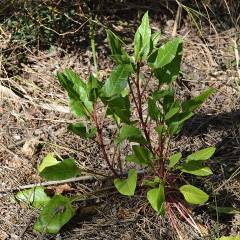
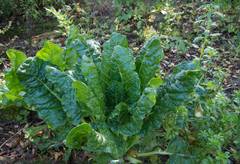
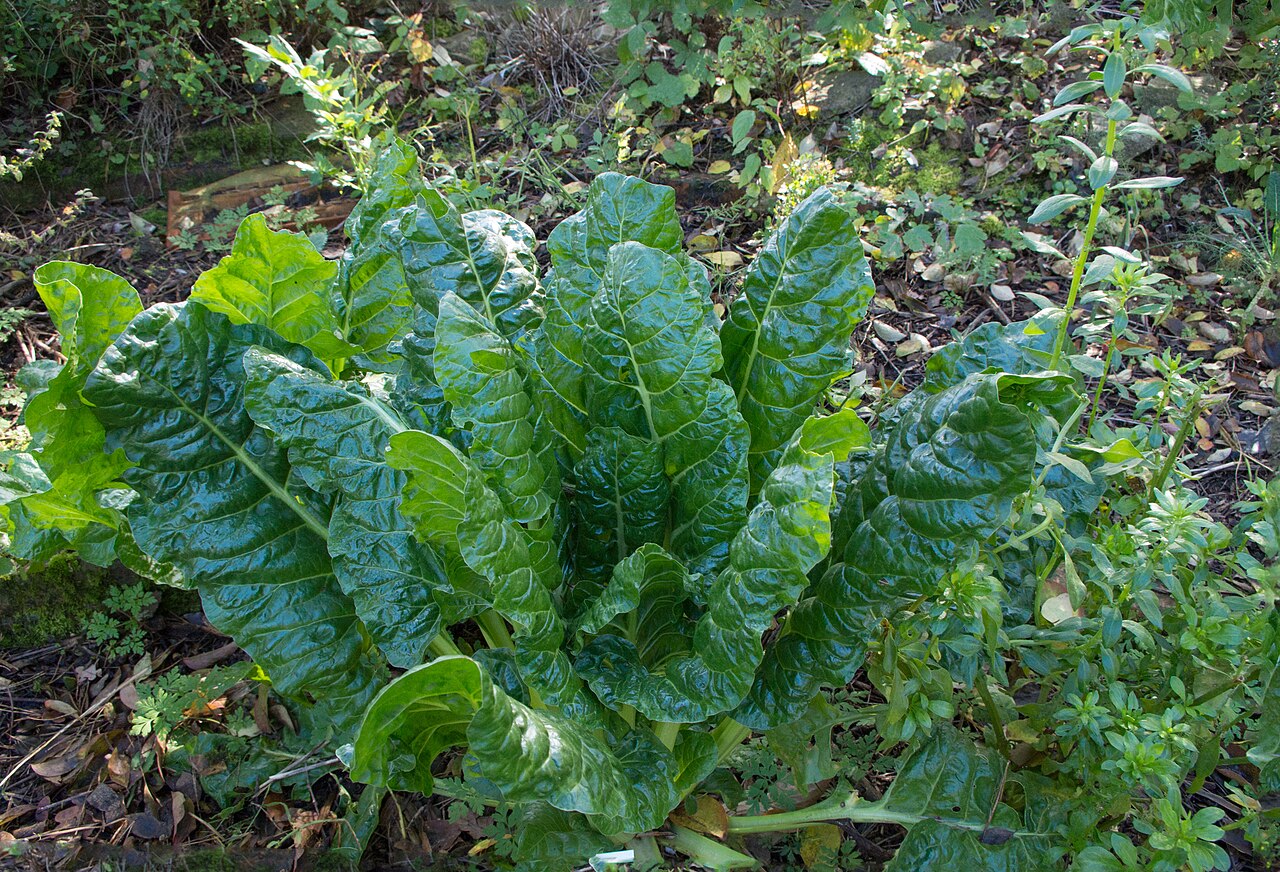
Species photo — your cultivar may vary
© Dinkum, some rights reserved (CC-BY-SA) · Wikimedia Commons
Beta, Genus, vulgaris, Species, 'Bright Lights', Cultivar,
- Genus & species
- Cultivar
Bright Lights Swiss Chard
Cultivar of garden origin (developed by John Navazio at Alf Christianson Seed Company); the parent species B. vulgaris is native to the Mediterranean coast and Atlantic Europe.
Overview
Beta vulgaris Bright Lights is an upright clump-forming biennial in the amaranth family (Amaranthaceae), grown as an annual for the leaf-and-petiole harvest, reaching 18-24 inches (45-60 cm) tall and 12-18 inches (30-45 cm) wide. Plants form a rosette of large savoyed (crinkled) leaf blades, dark green to bronze, on thick fleshy petioles in a mix of yellow, gold, orange, red, pink, scarlet, purple, and white; the color mix varies by seed lot and individual plant, so a planting from one seed packet typically produces a range of stem colors rather than a single uniform color. Leaf blades are 8-12 inches (20-30 cm) long, oval to triangular, with prominent veining that matches the petiole color. Petioles are 0.5-1 inch (1-2.5 cm) wide, succulent, and crunchy in texture. The cultivar was bred by John Navazio at Alf Christianson Seed Company through selection from Beta vulgaris var. cicla (the chard group, distinguished from beet by the thin fibrous root and the foliage-focused harvest), and was an All-America Selections winner in 1998. Plants bolt to flower in the second year after vernalization, or prematurely if exposed to temperatures below 50°F (10°C) for two or more weeks followed by warm weather; vernalization-induced premature bolting is the main reason for spring planting timing in Pacific Northwest gardens. Leaves are heat-tolerant compared with spinach and the cultivar produces edible greens through summer when lettuce and spinach bolt and become bitter. Hardy in USDA zones 2-9 (-50°F / -45°C) with mild-winter overwintering common across Pacific Northwest lowland gardens.
Native Range
Beta vulgaris is native to the Mediterranean coast and Atlantic Europe, where wild ancestor populations grow as coastal perennials on sea cliffs and beach dunes; cultivation has produced the beet (var. vulgaris, swollen-root crop), Swiss chard (var. cicla, foliage crop), sugar beet (var. saccharifera, sugar-extraction crop), and fodder beet (var. crassa, livestock-feed crop) through centuries of selection within the species. Bright Lights is a cultivar of garden origin bred by John Navazio at Alf Christianson Seed Company, selected for the multicolored petiole trait that gives the planting its name, and won an All-America Selections award in 1998.Suggested Uses
Grown in vegetable gardens, salad gardens, edible landscaping, and ornamental borders. The multicolored petioles make Bright Lights an edible-ornamental cultivar that bridges the vegetable garden and the mixed border, with the brightly colored stems giving visual interest equivalent to a flowering perennial through the long leaf-harvest window. Container culture is straightforward in 3-gallon (11 liter) or larger pots on balconies and patios. Leaves and stems are cooked as greens (sautéed, braised, in soups), and young leaves are used raw in salads. The cultivar is included in soil-building rotations as a quick-growing leafy crop between cover crop plantings.How to Identify
Appearance
Size & Dimensions
Height1'6" - 2'
Width/Spread1' - 1'6"
Colors
Bloom Information
Plants bolt in the second year after vernalization or prematurely if exposed to temperatures below 50°F (10°C) for two or more weeks followed by warm weather. Flowers are small, greenish, in tall branching spikes; the spikes are removed promptly when bolting begins to extend the leaf harvest from the remaining rosette. In the Pacific Northwest, premature bolting can occur from early spring cold snaps that vernalize spring transplants, so planting timing aims to set seedlings out after the cold-snap window has passed.
Detailed Descriptions
Flower Description
Greenish; small flowers in tall branching spikes in the second year only after vernalization; flower production reduces leaf quality and harvest is concluded once bolting beginsFoliage Description
Dark green to bronze savoyed (crinkled) leaf blades 8-12 inches (20-30 cm) long with prominent veining; petioles (leaf stems) in a mix of yellow, gold, orange, red, pink, scarlet, purple, and white that varies by seed lot and individual plant within a plantingGrowing Conditions
Sun Requirements
Requires 4-10 hours of direct sunlight daily
• Full Sun: 6+ hours of direct sunlight
• Partial Shade: 3-6 hours of direct sunlight
• Full Shade: Less than 3 hours of direct sunlight
Care & Maintenance
Care Guide
Direct-sow seeds 0.5 inch (1 cm) deep at 12-inch (30 cm) spacing in rows 18 inches (45 cm) apart, sowing 2-4 weeks before the last frost date and again every 3 weeks through midsummer for continuous harvest. Each chard seed is a cluster of 2-4 seeds and seedlings are thinned to one plant per station after germination. Outer leaves are harvested at the base when 8-12 inches (20-30 cm) tall, with the central growing point left intact so the rosette continues producing new leaves from the center. Pacific Northwest production runs from late spring through fall and often overwinters in mild years; consistent moisture maintains leaf quality because drought stress toughens the leaves and triggers premature bolting. Container culture is straightforward in pots of 3 gallons (11 liters) or larger.Pruning
Outer leaves are harvested at the base, with the central growing point left intact to maintain rosette production. Flower stalks are removed promptly when bolting begins to redirect plant energy from seed production back to leaf production. In autumn, frost-damaged outer leaves are removed to maintain the plant through mild Pacific Northwest winters.Container Growing
Suitable for container growing
Minimum container size: 3 gallons
Toxicity
Non-toxicPlanting Guide
Planting Methods & Timing
Planting Method
both
Indoor Start
4 weeks before last frost
Direct Sow Timing
Direct-sow 2-4 weeks before the last frost date and again every 3 weeks through midsummer for continuous harvest. Each chard seed cluster contains 2-4 seeds and seedlings are thinned to one plant per station after germination.
Days to Maturity
55–65 days
Plant Spacing
12 inches