Impatiens, Genus, walleriana, Species,
- Genus & species
bedding impatiens
Eastern Africa (Tanzania and Mozambique primarily, with neighboring countries carrying native populations); the species grows in moist tropical forest understory, along stream banks, and across shaded rocky slopes at low to moderate elevations in its native range
SunPart Shade – Full Shade
WaterHigh
Overview
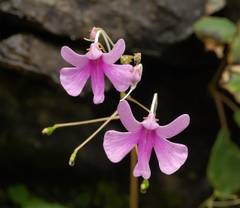
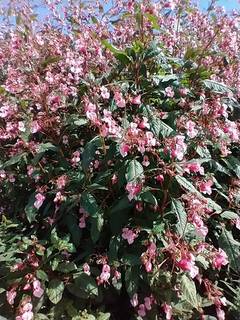
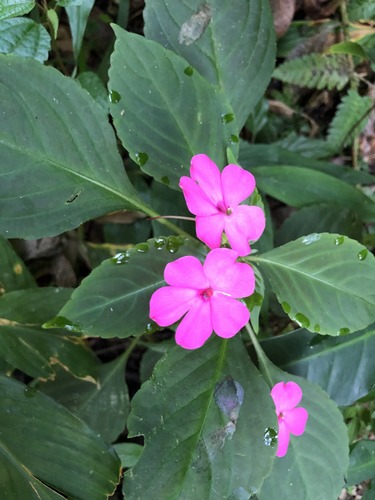
Impatiens walleriana is a tender mounding annual in the family Balsaminaceae, native to eastern Africa (Tanzania and Mozambique). Plants form compact well-branched mounds 6–18 inches (15–45 cm) tall and 10–18 inches (25–45 cm) wide on succulent translucent stems that carry glossy elliptic-to-ovate leaves 1.5–3 inches (4–8 cm) long in medium-to-dark green coloration. From spring through frost, plants produce a continuous succession of flat-faced spurred flowers 1–2 inches (2.5–5 cm) wide in white, pink, salmon, coral, orange, red, violet, and bicolor selections across the cultivar range. Individual flowers are five-petaled with a characteristic spur at the back of each flower; flowers self-clean (drop without deadheading) and are produced in such numbers across the bloom window that the foliage runs largely obscured at peak bloom. Impatiens walleriana runs the most-stocked shade annual in commercial cultivation across the temperate horticultural trade. Since approximately 2012, downy mildew (Plasmopara obducens) has devastated plantings worldwide; disease-resistant breeding lines and good air circulation substantially reduce risk in garden and commercial contexts. Plants are grown in a new location each year and potting soil from affected plants is not reused in subsequent seasons.
Native Range
Impatiens walleriana is native to eastern Africa, primarily Tanzania and Mozambique along with adjacent countries, where the species grows in the understory of moist tropical forests, along stream banks, and across shaded rocky slopes at low to moderate elevations. The species has been cultivated worldwide as a summer annual since its 19th-century introduction to Western horticulture, though the wild populations remain restricted to the native African range.Suggested Uses
Planted as bedding plants in shaded beds, borders, containers, and hanging baskets at 8–12 inch (20–30 cm) spacing across the full growing season. The species runs one of very few annual plants that performs in dense shade conditions where most other flowering annuals fail outright. Useful in mass plantings under trees or in north-facing beds where other flowering annuals cannot sustain bloom. Companion plantings with caladiums, ferns, and begonias supply foliage and form contrast in shade-garden compositions. Container cultivation requires a minimum 1-gallon pot. Toxic to pets if plant material is ingested.How to Identify
Appearance
Size & Dimensions
Height6" - 1'6"
Width/Spread10" - 1'6"
Colors
Bloom Information
Bloom runs from planting time through first frost across all growing zones. In zones 9–11, plants may bloom nearly year-round in partial-shade positions. Flowers are produced continuously without deadheading; individual flowers last 2–3 days and drop cleanly from the plant. Plants bloom most heavily in cool-to-warm temperatures; extreme heat above 90°F (32°C) temporarily reduces flower production across the canopy until cooler conditions return.
Detailed Descriptions
Flower Description
White, pink, salmon, coral, orange, red, violet, and bicolor selections; flat-faced five-petaled spurred flowers 1-2 inches wide carried continuously across the plant body; self-cleaning so spent flowers drop without deadheadingFoliage Description
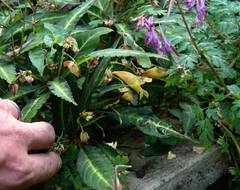
Medium to dark green; glossy elliptic to ovate leaves 1.5-3 inches long carried on succulent translucent stems across the growing seasonGrowing Conditions
Sun Requirements
Tolerates up to 4 hours of direct sunlight daily
• Full Sun: 6+ hours of direct sunlight
• Partial Shade: 3-6 hours of direct sunlight
• Full Shade: Less than 3 hours of direct sunlight
Water & Climate
Water Needs
Care & Maintenance
Care Guide
Plants go outdoors after all frost risk has passed in partial-to-full shade in moist humus-rich well-drained soil (pH 6.0–7.0). Full-sun exposure bleaches foliage and causes severe wilt; partial shade is essential for reliable performance. Watering runs consistently; impatiens wilt rapidly in dry conditions and do not recover fully once severely stressed. Soil is kept moist between waterings without allowing full dryness. A balanced water-soluble fertilizer is applied every 2–3 weeks through the season to sustain heavy bloom production. Planting locations are rotated annually and plants are discarded at season end to reduce downy mildew spore load in the garden soil. Overhead watering is held off because wet foliage promotes downy mildew development — drip irrigation or base-level watering supplies better disease pressure management.Pruning
No deadheading is required because spent flowers drop cleanly from the plant without manual intervention. If plants become leggy in midsummer, cutting back by one-half stimulates compact bushy regrowth within 2–3 weeks of the cutback. Plants are removed entirely after first frost; plants from beds where downy mildew was observed are not composted because the spore load carries into subsequent seasons through compost-based mulching.Container Growing
Suitable for container growing
Minimum container size: 1 gallons
Toxicity Warning
Toxic to petsPlanting Guide
Planting Methods & Timing
Planting Method
transplant
Indoor Start
10 weeks before last frost
Direct Sow Timing
Not practical; seed is started indoors 10-12 weeks before last frost or transplants are purchased.
Plant Spacing
10 inches