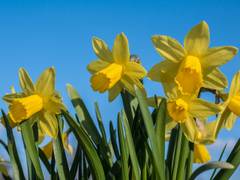
Hymenocallis, Genus, spp., Multiple species,
- Genus
- Multiple species
spider lilies
Overview
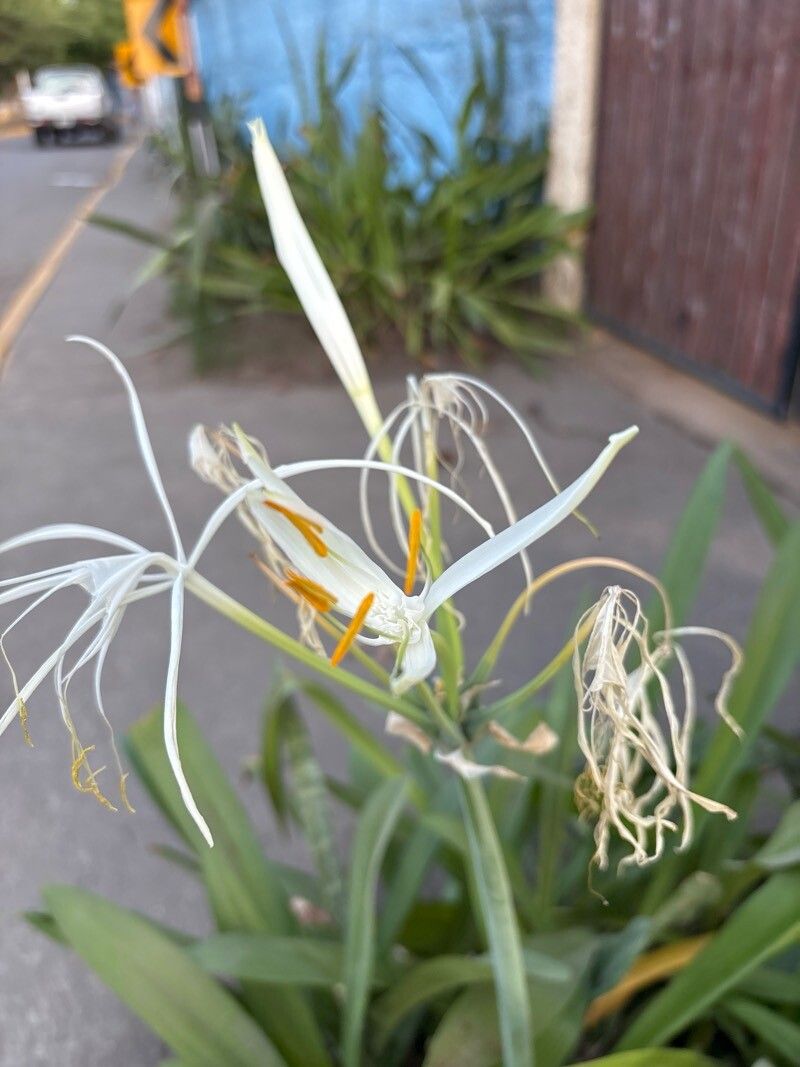
Hymenocallis is a genus of about 60 species of bulbous perennials in the amaryllis family (Amaryllidaceae), native to the Americas and known as spider lilies. They grow from large bulbs in the southeastern United States, Mexico, Central and South America, and the Caribbean, often in damp ground along rivers, marshes, and coastal flats. Plants form clumps of strap-shaped, deep green leaves 12-36 inches (30-90 cm) long. The flowers are usually white, sometimes cream or yellow, and carried several together on a leafless stalk. Each bloom has six long, narrow, spreading tepals joined at the base to a central cup-shaped membrane (the staminal corona) that links the stamens, giving the flower a spidery outline around a daffodil-like cup. Most species bloom in summer and are strongly fragrant, especially in the evening. The genus grows in full sun to part shade in moist soil and is hardy in the ground only in mild regions, roughly USDA zones 7-10, with tender species lifted and stored over winter elsewhere. The bulbs and leaves contain alkaloids that are poisonous to people and pets if eaten.
Native Range
The genus is native to the warmer parts of the Americas, from the southeastern United States through Mexico, Central America, and the Caribbean to tropical South America. Many species grow in seasonally wet places such as riverbanks, marshes, wet meadows, and coastal dunes.Suggested Uses
Spider lilies are planted in moist borders, beside ponds and streams, in bog and rain gardens, and in coastal plantings, spaced 12-18 inches (30-45 cm) apart. Tender species are grown in containers and as summer bulbs lifted before frost. The fragrant white flowers are used in evening and moon gardens and are cut for arrangements.How to Identify
Appearance
Size & Dimensions
Height1'6" - 3'
Width/Spread1' - 2'
Bloom Information
Flowering occurs mainly in summer, with some species blooming in spring or after seasonal rains. Each leafless stalk carries several flowers that open over a few days, and the clusters are fragrant, often most strongly in the evening. Bloom lasts about two to three weeks per clump.
Detailed Descriptions
Flower Description
white, sometimes cream or yellowFoliage Description
deep greenGrowing Conditions
Sun Requirements
Requires 5-10 hours of direct sunlight daily
• Full Sun: 6+ hours of direct sunlight
• Partial Shade: 3-6 hours of direct sunlight
• Full Shade: Less than 3 hours of direct sunlight
Care & Maintenance
Care Guide
Hymenocallis species grow in full sun to part shade in moist, fertile, well-drained soil with a pH of 6.0-7.5, and many tolerate wet ground and shallow standing water. The bulbs are planted with the neck at or just below the surface and watered well through the growing season. Hardy species overwinter in the ground in USDA zones 7-10, while tender species are lifted after the foliage dies down and stored dry and frost-free. Plants flower most freely in a warm, sunny position with steady moisture and slow down in deep shade. Few pests trouble them, though slugs and the narcissus bulb fly can be problems. Clumps are divided every few years in dormancy to renew them.Pruning
Spent flower stalks are cut back to the base after the blooms fade to limit seed formation and direct energy to the bulb. Yellowing leaves are left to die down naturally, since they feed the bulb for the next season. Old foliage is removed once it has browned.Container Growing
Suitable for container growing
Minimum container size: 3 gallons