Image 1 of 21
1 / 21
Plant Reference
Allium, Genus, schubertii, Species,
- Genus & species
satellite onion
Eastern Mediterranean and Middle East — Levant (Israel, Jordan, Syria, Lebanon), Turkey, and Libya; dry rocky hillsides and grasslands
Overview
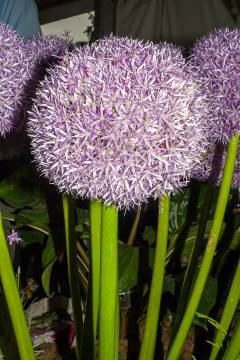
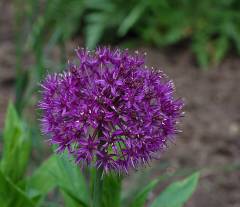
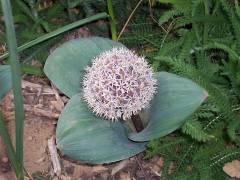
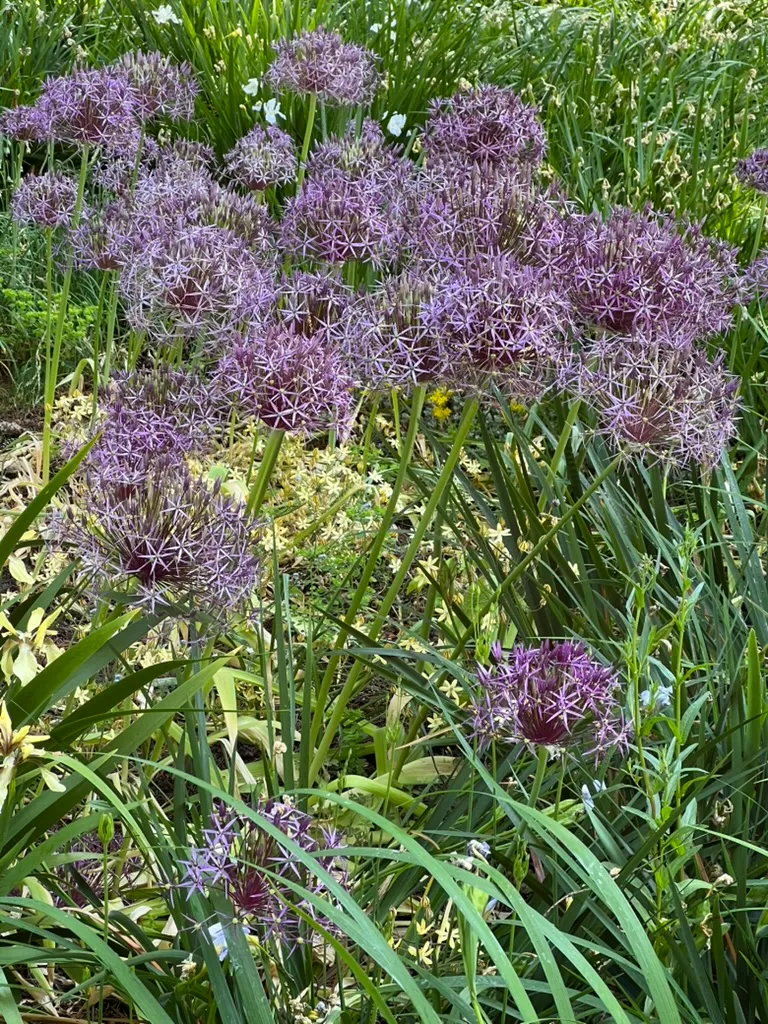
Allium schubertii is satellite onion (Schubert's allium), a bulbous perennial growing 12-24 inches (30-60 cm) tall and 12-18 inches (30-45 cm) wide. Rosy-purple to pale pink star-shaped florets on pedicels of widely varying lengths — short inner pedicels 1-2 inches (2.5-5 cm) and long outer pedicels 6-12 inches (15-30 cm) — creating a loose spherical umbel 12-18 inches (30-45 cm) in diameter resembling an exploding firework. May-June (3 weeks). Narrow gray-green strap-like basal leaves die back before or during bloom. In Amaryllidaceae. Native to the eastern Mediterranean and Middle East. The widely varying pedicel lengths within a single umbel are the defining trait. The dried seed heads maintain their form and are used in dried flower arrangements. Short-lived bulb — may need replanting every 2-3 years in regions with wet summers. This bulb longevity issue is the primary limitation. Requires sharp drainage — bulb rot in wet summer soil. Plant 3-4 inches (7-10 cm) deep in fall. Named for Gottlob Schubert. Lightly fragrant. Toxic to cats and dogs (thiosulfates). Deer-resistant. Zones 5-9. Full sun. Growth rate is moderate.
Native Range
Native to the eastern Mediterranean and Middle East — Levant, Turkey, and Libya. Found on dry rocky hillsides and grasslands.Suggested Uses
Grown in mixed borders, gravel gardens, and in containers of at least 3 gallons (11 L), spaced 12-18 inches (30-45 cm). Exploding-firework umbel form. Dried seed heads for arrangements. Short-lived — may need replanting. Toxic to pets. Zones 5-9.How to Identify
Appearance
Size & Dimensions
Height1' - 2'
Width/Spread1' - 1'6"
Colors
Bloom Information
Detailed Descriptions
Flower Description
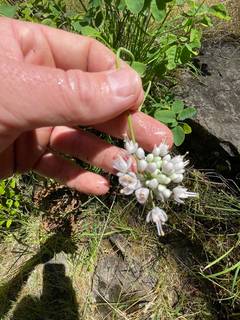
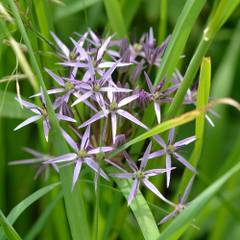
Rosy-purple to pale pink star-shaped florets on pedicels of widely varying lengths — short inner pedicels 1-2 inches (2.5-5 cm) and long outer pedicels 6-12 inches (15-30 cm) — creating a loose spherical umbel 12-18 inches (30-45 cm) in diameter resembling an exploding fireworkFoliage Description
Narrow gray-green strap-like basal leaves, 8-12 inches (20-30 cm) long; dies back before or during bloomGrowing Conditions
Sun Requirements
Requires 5-12 hours of direct sunlight daily
• Full Sun: 6+ hours of direct sunlight
• Partial Shade: 3-6 hours of direct sunlight
• Full Shade: Less than 3 hours of direct sunlight
Care & Maintenance
Care Guide
Full sun (5-12 hours). Well-drained soil pH 6.0-7.5 — sharp drainage essential (bulb rot in wet soil). Plant 3-4 inches (7-10 cm) deep in fall. Short-lived bulb — replant every 2-3 years if decline occurs. Dying foliage at bloom time. Leave dried seed heads. Toxic to cats and dogs. Deer-resistant. Zones 5-9.Pruning
Leave dried seed heads for structural interest or cut at ground level after they deteriorate. Allow foliage to yellow naturally — do not cut green foliage (feeds the bulb).Pruning Schedule
Prune: June–July
summer
Container Growing
Suitable for container growing
Minimum container size: 3 gallons